
A floor or wall can pass practical completion and then be found damaged three months into the defects liability period. At that point everyone has a different memory of when it happened, whether it was protected, and whose trade was last in the area. The outcome is decided by what was recorded, not by what is true.
What practical completion actually certifies
It certifies the works are complete, subject to any list attached. A fine crack in a polished floor or a dented corner should be captured on that list with its location and extent. Anything not listed is generally deemed accepted, which means damage noticed later is argued about from a weaker position.
Photograph before protection comes off
The best evidence is a set of photographs taken as protection is removed, dated, with location references. It takes an hour on a medium project and settles disputes quickly: either the mark is visible in the handover photographs or it appeared afterwards. This is the single highest-value habit in the whole handover process.
Keep a strip-out record
Record which areas were protected, with what, when it was installed and when it was removed. A simple schedule appended to the handover documents converts later speculation into fact. Where several trades shared an area, note who removed the protection last.
Burden of proof in practice
Once the client takes occupation, damage is generally presumed to be their responsibility unless the contractor cannot show otherwise. Contractors who hand over without a photographic record routinely end up repairing damage they did not cause, because proving otherwise costs more than the repair.
Retention is affected
Unresolved damage claims delay retention release, and the amount held is usually far larger than the cost of the repair. That asymmetry is why resolving the finish condition quickly – including accepting liability for marginal items – is often the commercially sensible route.
Where reusable protection helps
Reusable panels get lifted, counted and inspected in a way disposables never are, so a strip-out under a reusable scheme tends to produce better records almost automatically – there was something to count. We described the counting discipline in what to measure in a pilot, and it transfers directly.
Making the photographic record useful
A photograph is only evidence if it can be located. Shoot a wide image first to fix the location, then the detail – otherwise you have a folder of close-ups with no way of showing where any of them were. Include something identifiable in the wide shot: a door number, a column mark, or whatever the project uses for references.
Timestamp them automatically and store them by date and zone rather than in one folder. When a query arrives four months into defects liability, being able to produce a dated image of that exact area settles it in an email rather than over several weeks.
Dealing with genuine late discovery
Where damage genuinely appears after handover and is genuinely yours, dealing with it quickly usually costs less than defending it. Delay invites the client to instruct others and deduct, which removes control over both method and cost. An early offer to rectify, with a date, generally closes the matter in one exchange.
What we can do
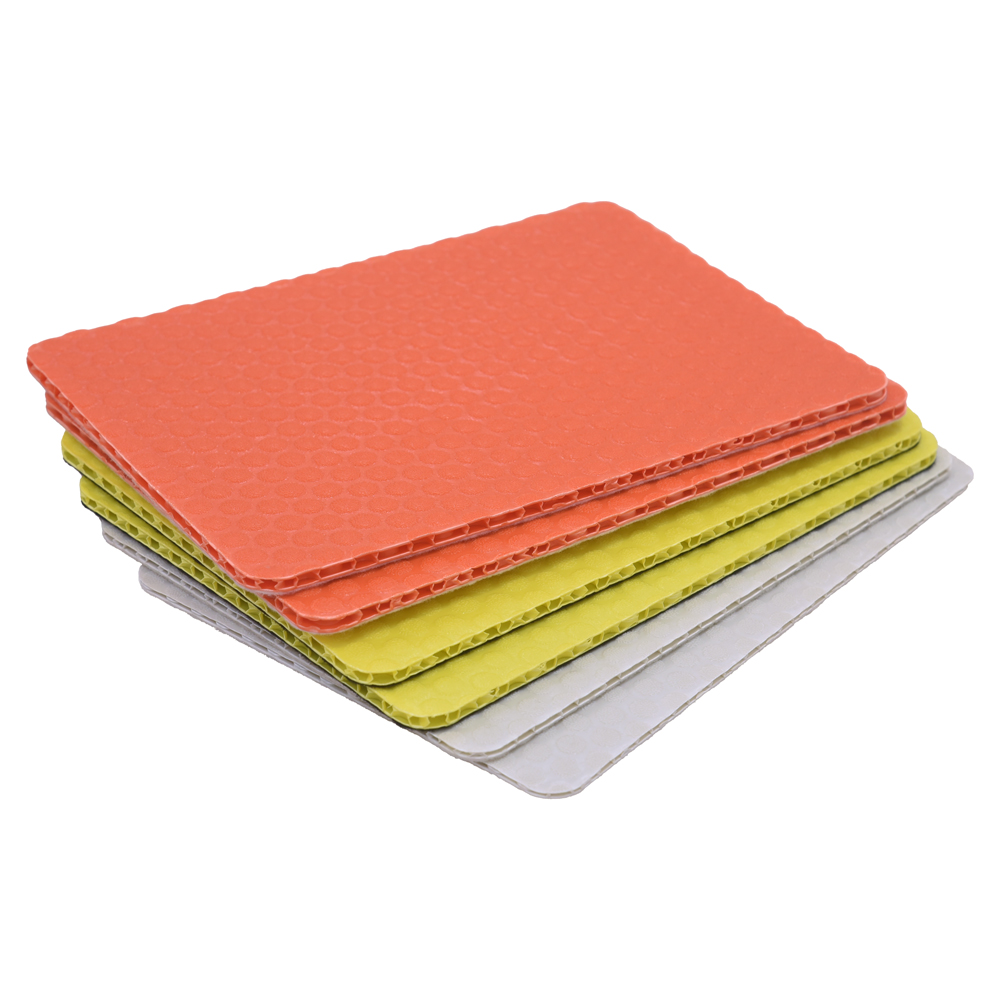
We supply honeycomb protection panels with phase markings so strip-out can be recorded area by area. If your handover process needs dated evidence, that is easier to produce with identified panels than with anonymous sheet.