
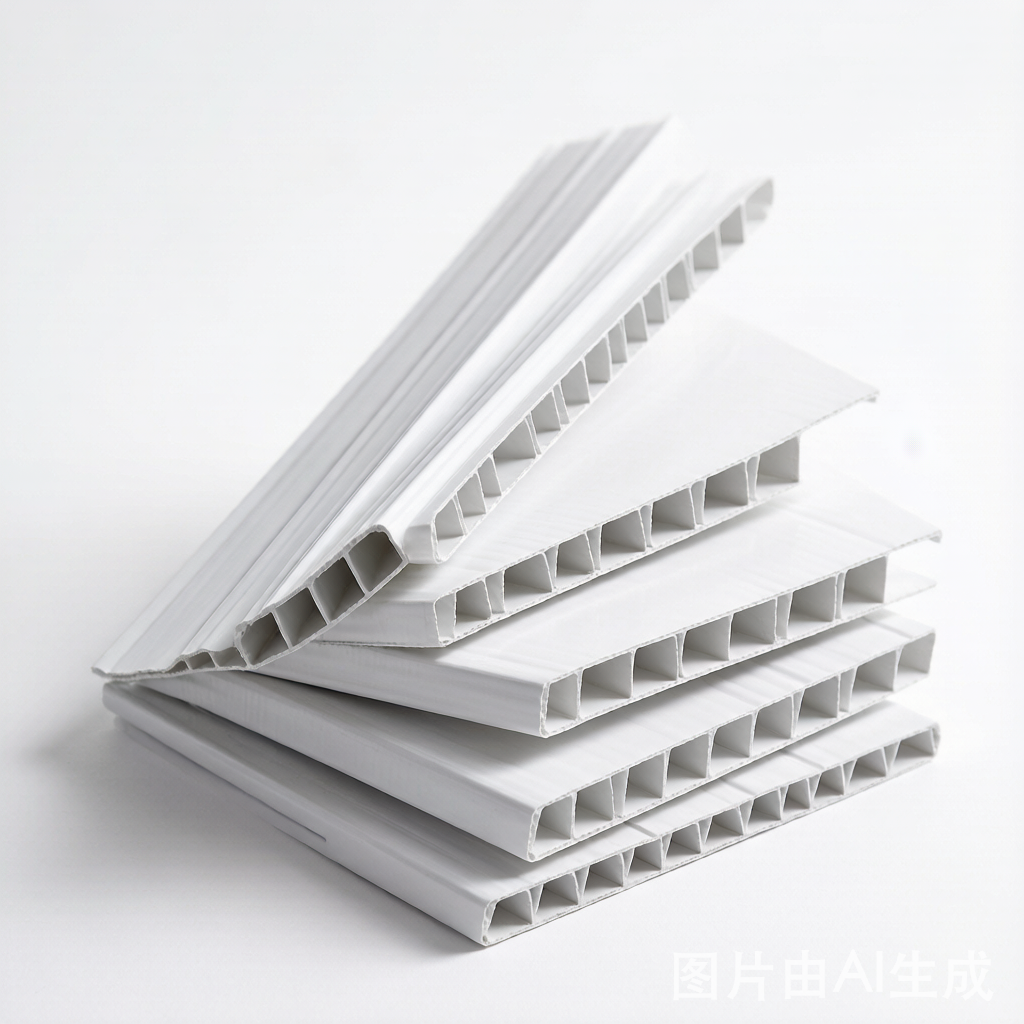
Chilled distribution sits in an awkward middle ground. It is cold enough to produce constant condensation and long enough to let it do damage, but not cold enough to freeze anything solid. Layer pads and separator sheet take more punishment here than in either ambient or deep frozen work.
Condensation is continuous, not occasional
In a chilled chain every door opening and every temperature swing puts moisture on surfaces. A hygroscopic material would be ruined; polypropylene is not, which is part of why it is used. But moisture between a pad and the product above it changes friction, and a load with unpredictably slippery interfaces moves in transit.
The answer is usually drainage rather than absorption – vented or perforated pads that let water leave rather than pooling underneath.
Wet strength is not the issue; creep is
PP does not lose strength when wet. What it does is creep, slowly and permanently, under sustained load, and the rate goes up with temperature. A stack of chilled product sitting for three days on a pad is applying a constant load for long enough to matter.
That is the failure mode people misread as crushing. The pad has not been crushed; it has taken a permanent set, and the stack has settled.
Why chilled is harder than frozen on the pad
Frozen product stops moving. Chilled product does not, and neither does the moisture around it. Freeze-thaw cycling at the edges of a chilled load alternately stiffens and softens whatever it touches, and any absorbed water expands when it freezes. This is the reason we treat the two cases separately, an argument set out in more detail for freezer storage of PP sheet.
Pad thickness selection
In chilled work the pad is spreading a point load and resisting puncture, not spanning a gap, so going thicker buys puncture resistance more than stiffness. Over-specifying thickness adds cost and weight for little benefit. Under-specifying it leads to corners punching through at the pallet bearer.
Reuse with wet loads is the honest question
A pad that comes back wet every trip has to be dried, stored and counted, and in most chilled operations that handling cost exceeds the pad’s value. Single-trip sheet is often genuinely correct here even in an otherwise reusable system, and pretending otherwise just creates a slow-moving pile of damp pads.
Slip management without additives
The usual response to slippery wet interfaces is a high-friction coating or an embossed surface. Embossing works, lasts, and does not introduce another material into the recycling stream, which makes it a better answer than a coating that wears off.
What usually gets overlooked
Condensation collects at the bottom of a load and drains slowly, so the lowest pad sits in water for the whole journey. Venting the pad helps, but the more effective change is often at pallet level – a base sheet that lets water escape sideways rather than pooling under the load.
Check the bottom of a delivered load before concluding anything about the pads. If the lowest one is saturated and the rest are dry, the issue is drainage from the load rather than the pad specification, and the fix belongs to the pallet.
What we can do
We cut corrugated PP sheet layer pads and can supply vented or embossed versions for chilled work. Tell us the load, the dwell time and whether pads actually come back, and we will size accordingly – and if they do not come back, we will tell you to buy single-trip.