
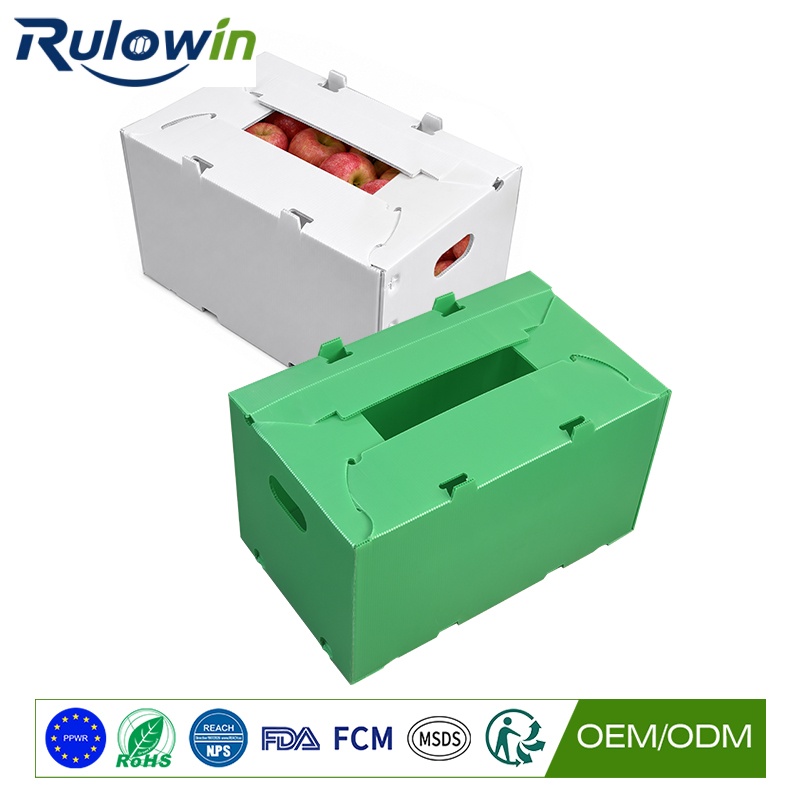
The number of crates a business needs is not the number it ships. It is the number in circulation at any moment, which depends on how long a round trip takes, and it is consistently underestimated by operations that are otherwise well run.
The relationship that matters
Crates in circulation equals the number leaving per period multiplied by the number of periods a round trip takes. Ship a thousand crates a week and get them back in three weeks and you need roughly three thousand in circulation, plus buffer, plus what is out of service.
The three-week figure is the one that gets missed. A crate that is loaded on Monday, sits at a distribution centre, is emptied, stacked, stored and collected the following fortnight is not available to load again next Monday.
What actually determines cycle time
- Delivery frequency to the destination. Daily delivery means a fast return is possible; weekly means it is not.
- How long the receiving site holds empties. Usually the dominant factor, and usually nobody’s explicit responsibility.
- Whether the return leg exists. Backhaul on the delivery vehicle is fast; a separate collection waits for a full load.
- Washing capacity, if crates are washed between trips.
- Storage and handling at your own site before the crate is reused.
Most of these are process, and all of them are more controllable than they look. Cutting cycle time from three weeks to two reduces fleet requirement by a third – which is almost always cheaper than buying the extra crates.
The additions people forget
- Losses. Add your observed loss rate, compounded over the year.
- Damage and repair. A percentage of any fleet is out of service at any time.
- Seasonal peak. If you ship three times as much in one month, the fleet requirement in that month is not the annual average – unless you supplement with rented capacity.
- A real reserve. Running at full utilisation means a single late return stops production.
A way to estimate it without data
If you do not know your cycle time, measure it rather than guess. Mark or number a hundred crates, send them out as normal, and record when each one comes back. Two weeks of that will give you a distribution of return times, and the distribution is more useful than the average – because your fleet has to cover the slow ones, not the typical ones.
It is a cheap exercise and it usually changes the planned fleet size significantly, in one direction or the other.
Buying in stages
Where the fleet size is uncertain, buy a planned base and add as the measured cycle time becomes clear. It is slower and it avoids the two expensive errors: buying too few and stopping a line at harvest, or buying too many and paying for storage on a fleet that was never needed.
Sizing only helps if the boxes arrive before they are needed, which is a timing question covered in our piece on planning a fleet across the season.
Peak versus average, and what it costs to cover the difference
The hardest thing about fleet sizing is that the answer for your busiest three weeks is usually twice the answer for the rest of the year.
Sizing for the peak means owning crates that sit empty for forty weeks. Sizing for the average means hitting November short, and what covers the gap then is almost always single-use packaging or an expedited shipment – both of which cost more per trip than the extra crates would have, and quietly undo part of the reason for going reusable in the first place.
There are three honest ways through this, and most fleets use some combination. Own for the sustained peak and accept idle stock as the cost of not scrambling. Own for eighty percent of the peak and borrow or rent the difference for the short season. Or own for average and accept that a known number of weeks each year will run on back-up packaging, planned and budgeted rather than discovered.
The third option gets a bad reputation, but planning it deliberately makes it defensible: if it is four weeks a year, you can price it and compare it honestly against carrying thirty percent more inventory. What does not work is drifting into it by accident in the first week of the rush.
One practical note: lead time plus shipping usually lands between six and ten weeks for a repeat order, more for a first one. Whatever you decide about sizing, the decision has to be made early enough that it can actually arrive.
What we can do
We supply produce boxes in repeatable batches, so a fleet can be built up in stages without a change of specification between orders. Tell us your shipment volume and your best estimate of cycle time and we can work through the arithmetic with you – including what it looks like if the cycle time turns out to be twice what you expect.