
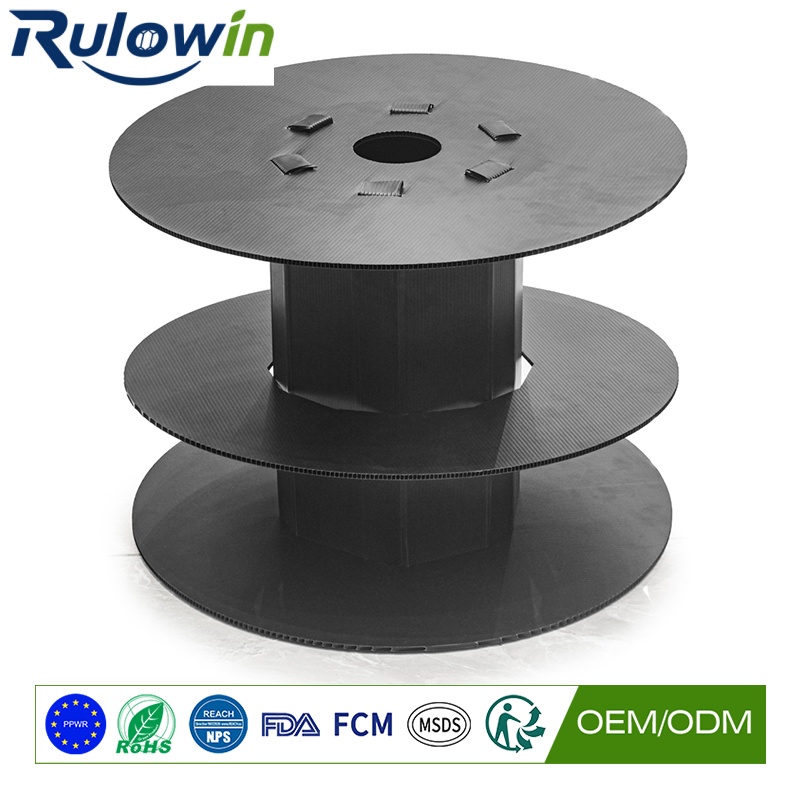
A chargeback is what happens when a packaging problem becomes a financial event rather than a conversation. By the time one arrives, the underlying issue has usually been going on for a while and nobody escalated it.
Where they come from
In rough order of frequency:
- Unreturned empties that get invoiced as lost. The largest category by value.
- Damaged spools the customer is blamed for, or blames you for.
- Product damage attributed to packaging — crushing, marking, tangling.
- Short length claims where the pack contained less than stated.
- Disposal or handling charges where the customer has had to deal with packaging they did not expect.
The first category is the interesting one
Unreturned empties generate most of the money, and they are almost entirely preventable by process rather than by contract. The pattern is always the same:
- Spools go out and nobody records how many
- Some come back over following weeks
- Nobody reconciles, because reconciliation is nobody’s job
- Months later somebody notices that a lot are missing and invoices for them
- The customer disputes it, because from their side nothing was ever agreed or counted
Every step in that chain is fixable, and most of the fixes are in our ownership disputes article. The short version: count at both ends, reconcile early, raise discrepancies while they are small.
Controls that work
Count at despatch and at return. Against a delivery note, every time. This alone prevents most of the category.
Reconcile on a regular cycle rather than at the end. Monthly, or per shipment for large customers. A discrepancy discussed in week two is an operational question; in month nine it is a dispute.
Photograph loading. Cheap, and it settles arguments about how many went out and in what condition — the method in our photography article.
Make the return obligation visible. On the spool, on the delivery note, and in the contract. Discussed in the contract article.
Agree what damage means before there is any, with examples if possible.
How to raise one without damaging the relationship
Worth thinking about, because the way it is raised determines whether there is a second conversation:
- Raise it as an operational problem first. “We are missing some spools, can we work out where they are” gets a different response from an invoice.
- Have your numbers ready. Despatched, returned, outstanding — if you cannot produce these, do not raise it yet.
- Expect a lag and account for it. Empties in transit are not missing.
- Check your own side first. Some of the missing spools are usually sitting somewhere in your own operation, and discovering that after raising it is worse than discovering it before.
When to accept the loss
Sometimes the right answer is to write them off. If the administrative cost of pursuing exceeds the value, or the relationship is worth more than the spools, or the loop is marginal anyway, then the correct response is to price the loss into the product and stop counting.
That is a legitimate decision. What is not legitimate is continuing to run a returnable programme while quietly absorbing losses nobody has quantified — which is a common state and is discussed from the costing side in our cost per trip article.
Prevention at design stage
Two specification choices that reduce disputes:
- Durable marking identifying whose spools they are, which removes the “we thought they were ours” conversation entirely
- Consistent specification, so the customer never receives something they do not recognise
What we can do
Supply our hollow board spools marked and identifiable, and tell you honestly what a realistic loss rate looks like for a loop like yours — including when we think the losses are structural rather than recoverable.