
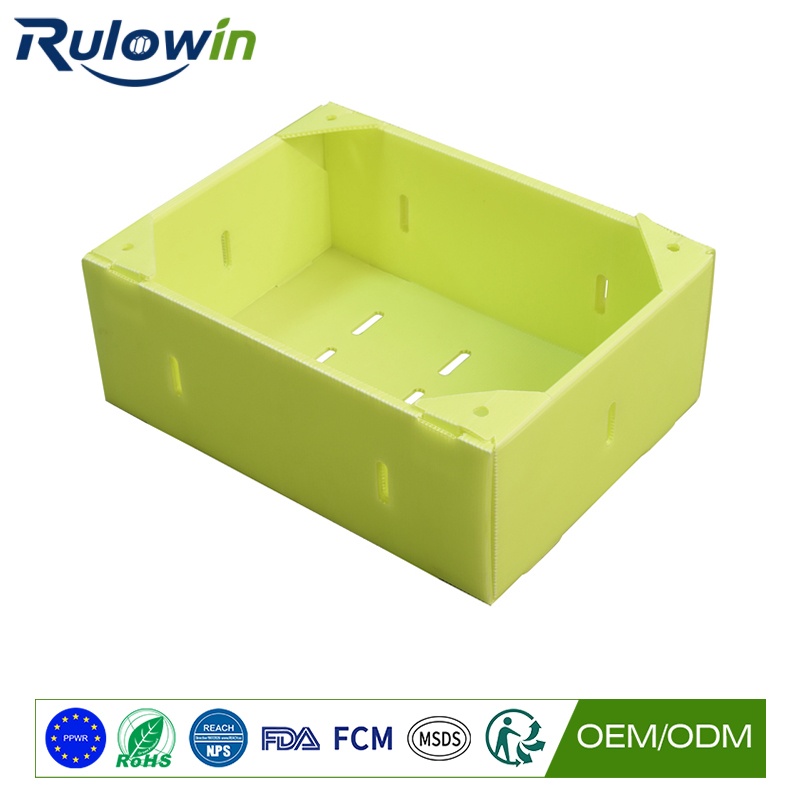
Crate fleet sizing is a calculation with three terms, and the third one is the one that makes the difference between a fleet that lasts a season and one that runs short in week six.
Term one: peak day volume
How many crates get filled on your busiest day. Not the average – the peak. A fleet sized on average volume runs short exactly when volume matters most, and the shortage shows up as overloaded crates or as a rush order at premium price.
If you have last season’s records, take the top day and add a margin. If you do not, take your best estimate of the peak and accept that year one will need a top-up order.
Term two: cycle time
How many days a crate takes to go out and come back. A crate filled on Monday and back on Wednesday supports one and a half fills a week. The same crate in a chain where it takes three weeks to return supports far less.
So the fleet has to be peak daily volume multiplied by cycle time in days. This term is where most sizing errors happen, because cycle time is rarely measured and is always longer than people think – crates sit at a grower’s yard, wait for a truck, or queue at the wash.
Term three: loss
Crates leave. They go out on one-way shipments, they get used for storage, they get taken for something else. A realistic allowance for a pool or an open chain is considerably higher than for a closed loop, and in an open chain it is the dominant term.
Measure it if you can: crates purchased last year divided by crates in service now. If you cannot measure it, be generous – a crate costs less than an emergency purchase and far less than a stalled packing line.
Seasonality, and the awkward bit
If your season is short and intense, the fleet is sized for a peak that lasts a few weeks and then sits idle. That is expensive and there is no way around it apart from hiring or pooling – which is exactly why pooling exists in fresh produce.
Worth pricing both: owning the peak fleet, versus buying a base fleet and hiring for the peak. We looked at pooling in setting up a crate pooling programme.
And the check nobody does
Count the fleet once a season. Not the purchase record – an actual count of serviceable crates. The gap between the two is your real loss rate, and it is the number that makes next season’s sizing accurate instead of hopeful.
Washing and storage, which consume crates too
Crates in the wash are crates not available for filling. A fleet calculation that ignores the wash cycle is wrong by however many crates are in the tunnel and the drying queue at any moment – which on a busy operation is a substantial number.
Add the wash dwell as an extra day on the cycle time. It is the simplest way to account for it and it is more accurate than ignoring it.
The same applies to crates held in storage between runs. If a portion of the fleet sits in a shed for two months, it is not part of the working fleet and should not be counted as such.
What we can do
We make PP crates for fruit and vegetables and will work through peak volume, cycle time and loss with you before quoting. Tell us the three and we will size the fleet – including telling you when hiring the peak is cheaper than owning it.