
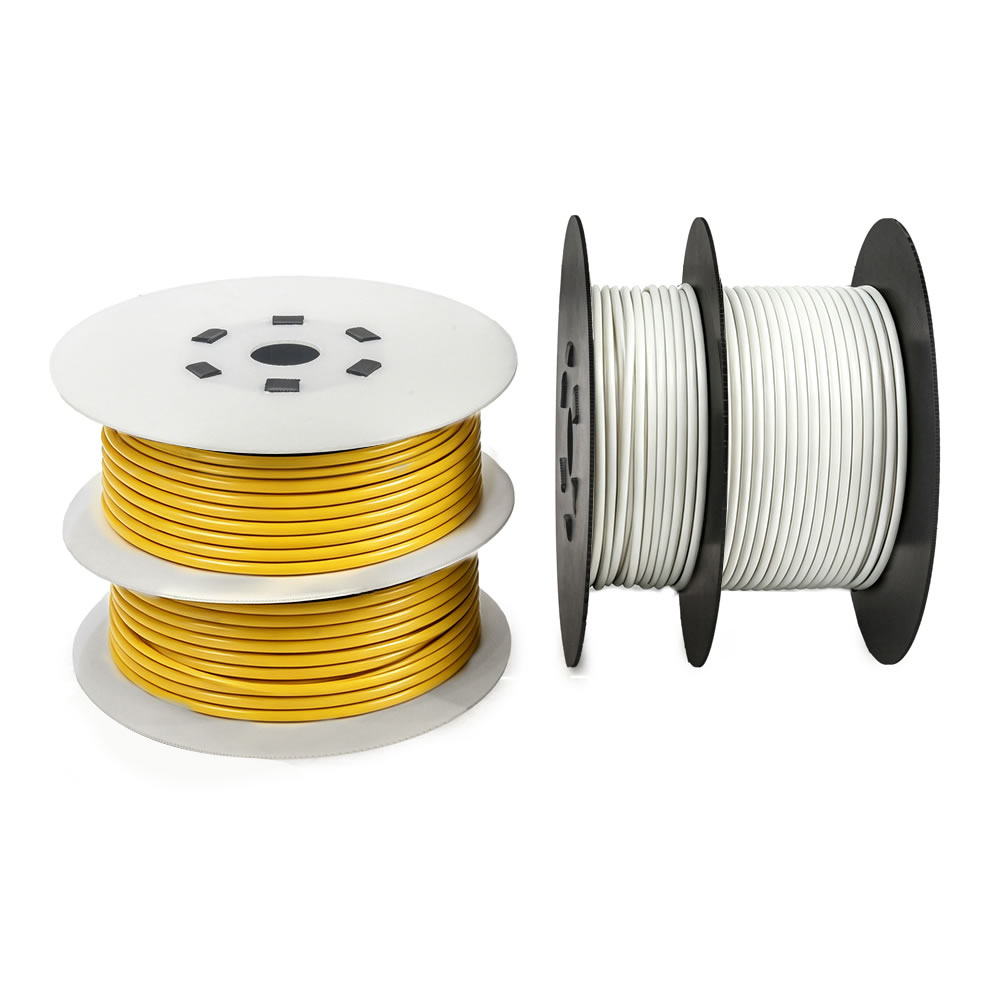
It usually arrives as one line in an email: “could you send these on a different spool?” It sounds minor. It frequently is not, and the cost of saying yes without thinking about it can be substantial.
Why customers ask
Reasons vary and the reason matters:
- Their machine needs different dimensions — a real constraint, usually non-negotiable
- They have standardised on something across their own supply base
- They had a problem and have identified the spool as the cause, correctly or not
- They want it lighter for their own handling
- Their waste or sustainability team has a preference about material
- Somebody saw a competitor’s packaging and liked it
The first one is a constraint you accommodate. The last one is a preference you evaluate. They need different responses and they arrive looking identical.
What to find out before answering
- What is driving it? Ask directly. The answer changes everything.
- Is it a preference or a requirement? Some requests are conditions of continued business and others are somebody’s good idea.
- What exactly do they want changed? Often the request is vague and the actual constraint is one dimension.
- How many units does it affect? A change for one product line is different from a change across everything they buy.
- Who else uses that spool? If the spool is shared across customers, changing it affects all of them.
That last one is the trap. A spool standardised across your customer base cannot be changed for one customer without consequences for everyone else.
What it actually costs
Beyond the obvious unit price difference:
- Tooling, if the size is new — covered in our tooling article
- A separate stock line with its own minimum and its own obsolescence risk
- Fleet implications if the spools are returnable
- Process changes at your winding end — settings, handling, inspection
- Administration of another specification, forever
The last two are the ones that get underestimated. A second spool specification is a permanent small cost, not a one-off.
Options other than yes or no
- Change one dimension rather than the whole spool, if that is what the constraint actually is
- Agree a trial with defined success criteria, rather than an open-ended change
- Price it separately so the customer sees the cost and decides whether it is worth it
- Offer an alternative that solves their problem differently — sometimes a modified core does what a new spool was asked for
- Batch it with other changes at the next natural review, rather than doing it now
The third of these is often the most useful. Customers who see the cost frequently decide the change was not important, and those who still want it are usually happy to pay.
When to say yes readily
- It is a genuine machine constraint and the volume justifies it
- The change makes your own operation easier as well
- It is a customer worth retaining, and the cost is small relative to the account
- The request moves you toward a standard you were considering anyway
When to push back
- It fragments a standardised fleet for no functional gain
- The stated reason does not hold up, and the real problem is elsewhere
- The volume does not justify a separate line
- It is a preference that will change again next year
How to talk about it
Not “no” — “yes, and here is what it involves.” Then let them decide. Most requests evaporate when the cost is made visible, and the ones that survive are real.
What we can do
Quote the alternative honestly, including tooling and minimum quantity, and tell you whether it is a small change or a large one — which is not always obvious from the request. If you are considering a change to our hollow board spools, we will also tell you when the existing one was probably fine and the problem is somewhere else.