
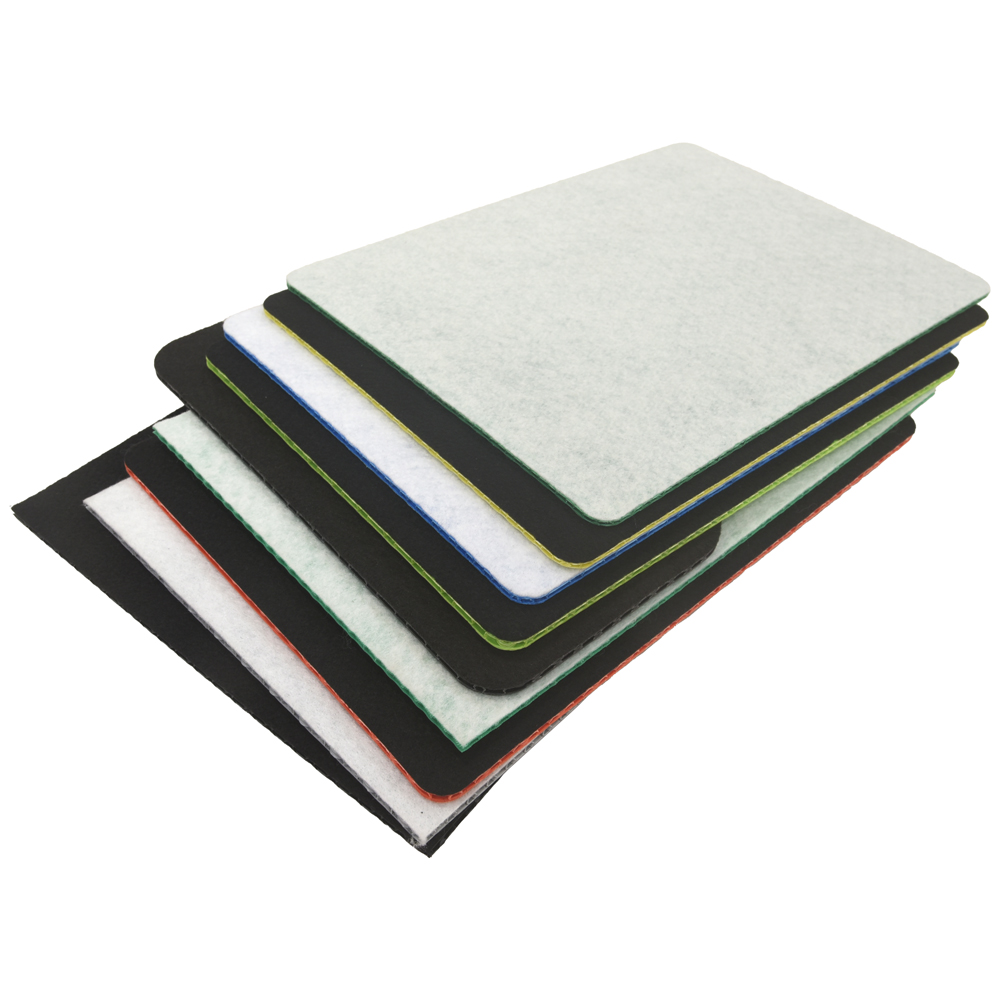
Specifications for temporary protection tend to be one line – material and thickness. Everything that later causes argument is left out: what loads it takes, how joints are formed, who maintains it, and what condition things are left in. Those are the clauses worth writing.
Describe the loads, not just the material
State the heaviest item that will cross the protection, how often, and whether it rolls or is carried. This lets a supplier size the construction honestly and gives you something to point at if it fails. “Suitable protection to floors throughout” obliges nobody to do anything.
Joints and edges
Specify how panels meet: lipped, rebated or square, whether edges are sealed, and the permitted step between adjacent panels. These details decide trip risk and how much grit reaches the floor, and they are almost never written down – which is exactly why they are improvised inconsistently.
Fixing method
State what may and may not be used. “No adhesive contact with finished surfaces” is a single sentence that removes the most common cause of both disputes and damage. Equally, specify what may be taped to what, particularly where fire doors or coated metals are involved.
Maintenance and ownership
Name who inspects, how often, what they log, and who reinstates protection removed by others. One clause, usually worth more than anything else in the document, because it deals with the period in which most failures happen rather than the installation day.
Protection period and strip-out
State when protection goes down relative to preceding trades and when it comes up relative to handover, and what happens to it afterwards: reuse, return, recycle or dispose. That last point is increasingly asked about in close-out reporting.
Acceptance criteria
State how you will judge whether the protection itself is acceptable – a visual standard, a load test, a mock-up approved before installation. Agreeing this at specification stage means the site argument later has a reference point rather than two opinions. We covered writing specifications suppliers can quote against generally in writing a specification suppliers can quote against.
Keep it to one page
A two-page protection specification gets read. Eight pages of preliminaries do not. Put everything above in short sentences and it will actually be used on site, which is the entire point of writing it.
A one-page template worth copying
Six headings are enough: areas to be protected, loads expected, joint and edge detail, permitted fixings, maintenance owner and frequency, and strip-out plus destination. Add a line for any fire or classification requirement and one for what happens when the sequence changes.
Fill it in rather than referring to a standard elsewhere. Specification sections that point at other documents get skipped on site, and the value here is that somebody reads one page and knows what to do – which only works if the page contains the actual decisions.
Naming who signs it off
A specification without a named approver becomes everyone’s opinion. State who accepts the protection on site, who can authorise additional material, and who signs that it is installed as specified. Those three names do more for compliance than any amount of detail written into the clauses themselves.
What we can do
We review protection panel specifications before quoting and will flag anything we cannot meet or anything we think is ambiguous. Send yours – even a single line – and we will suggest the three clauses most worth adding for your type of work.