
Any protection installed in or adjacent to a washdown area lives in a permanently wet, chemically active environment. Standard sheet protection that would be fine in a dry corridor delaminates, curls, or starts holding water against the wall within days. Choosing for the environment rather than for impact changes the specification entirely.
What washdown actually involves
Typically hot water at pressure, an alkaline detergent, then a rinse, and sometimes a periodic biocide or acid step. Temperature, pressure and pH all matter. Ask for the actual parameters – nobody specifies “washdown” precisely, and the difference between a low-pressure rinse and a high-pressure hot caustic cycle is enormous.
Why standard protection fails
Three failure modes repeat. Water gets behind the panel through joints and sits there. Adhesive fixings soften and release, so panels start to lift and curl. And the panel surface degrades or becomes slippery under detergent film. None of these are structural; all of them end with the protection being removed early.
Joints first, material second
The most effective changes are detailing ones: joints that shed downwards and outwards, sealed perimeters where possible, and deliberate drainage gaps at the base rather than a sealed bottom that traps water. Getting water out is more valuable than making the material more resistant.
Fixing choices near washdown
Adhesives generally do poorly here, particularly anything not rated for continuous damp conditions. Mechanical fixings with sealed washers, or compression-fit systems, hold up better and are easier to reinspect. Whatever you choose, inspect fixings on a schedule during the works – they do not fail politely all at once.
Cleaning the protection itself
Protection accumulating product residue or detergent film becomes a slip hazard and eventually a hygiene issue. Agree how often it gets cleaned and by whom; in practice this is rarely written down and therefore rarely happens, which is why panels look bad two weeks in.
Slip behaviour under detergent film
A smooth panel with detergent on it is genuinely slippery underfoot. Where washdown routes are walked during operation, choose a textured face and trial it wet before committing. We make the same point about testing the combination rather than the datasheet in slip resistance on protection panels.
Building the compatibility list
Ask the site for every product used in the washdown cycle – detergent, sanitiser, descaler, and any periodic acid or caustic step – including concentrations and temperatures. Check the protection against the list rather than against the first item. Incompatibility usually appears with the periodic step rather than the daily one, because it is harsher and nobody tested for it.
Keep the list with the delivery so the site team can check anything new before it goes near the panels. Additions to cleaning regimes mid-programme are common, and this is the sort of change that quietly ends protection early.
Access for inspection behind panels
Something always needs checking behind protection eventually – a leak, a fixing, a crack. If the only way to look is to strip it, the inspection will not happen until there is a visible problem. Include a removable inspection panel in the layout; it takes minutes to install and saves hours when it is needed.
What we can do
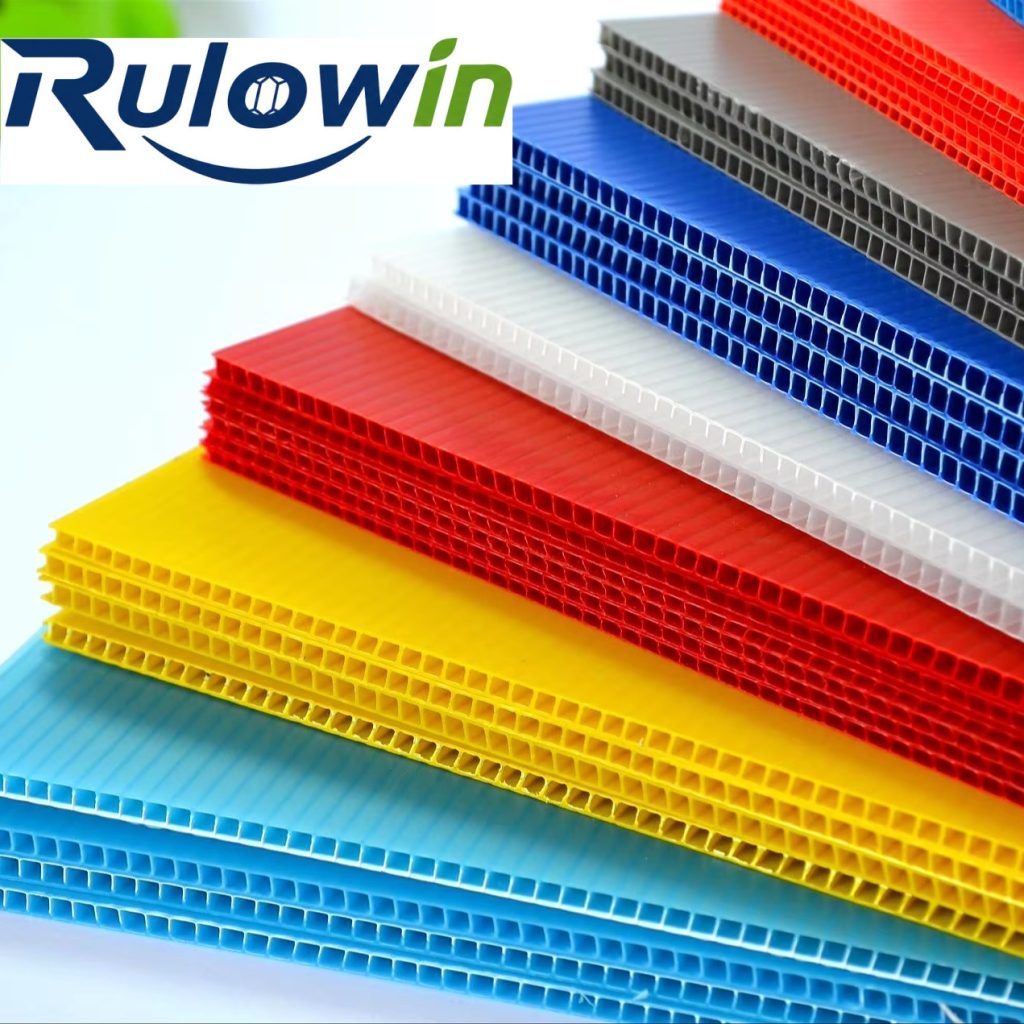
We supply corrugated PP sheet and fabricated panels that tolerate wet, chemically active environments, with fixing details suited to repeated washdown. Send the washdown parameters and we will tell you what we would use – and where we think you need a specialist hygienic system instead.