
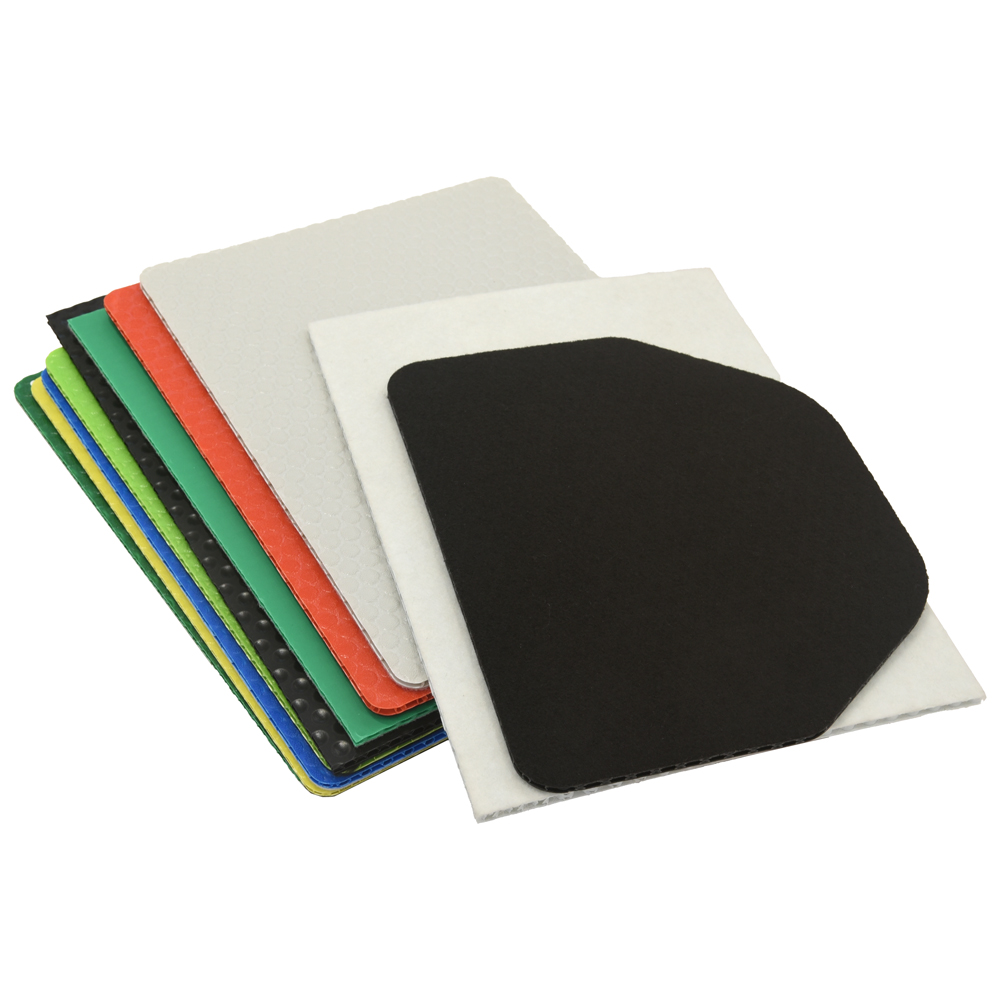
Disputes about protection board are rare and, when they happen, they are almost always about whether the right grade was supplied rather than whether the board was faulty. That distinction matters because it determines what evidence is needed and who pays.
What is actually warranted
That the board matches the specification: thickness, grade, face and size. A supplier warrants conformity, not fitness for an unstated purpose, which is why describing the floor and the risk at enquiry is worth doing – it moves the fitness question onto the supplier where it belongs.
What is not
Wear. Protection board is a consumable that wears in use, and how fast depends entirely on the site. A board that has worn through in a traffic lane is not defective. Knowing that at the point of order prevents the most common complaint.
Evidence that settles it
Photographs of the delivery, a retained sample from each batch, and the delivery note with the grade on it. Those three cost nothing and resolve almost everything. Without them a claim becomes a disagreement about what was sent rather than a fact.
How to make a claim
Quickly, and before the board is used. Once it has been laid and walked on, separating a defect from wear is very difficult. Inspect on delivery, note anything wrong, and say so within the supplier’s stated window – usually a matter of days.
What a reasonable outcome is
Replacement of the affected material, usually. Credit where replacement is not practical. What is not reasonable is a claim for consequential damage – floor repairs, programme delay – unless that was agreed in the contract, and it almost never is. Worth knowing before the conversation rather than during it.
What to do before making a claim
Check whether the board was used in the conditions it was specified for. A board specified for foot traffic that has been run over by a forklift is not defective, and a claim on that basis damages a trading relationship for nothing. Where the board genuinely does not match the delivery note, photograph it, keep a sample and say so within days – that claim is straightforward.
What a warranty on temporary protection actually covers
A warranty on a site consumable is narrower than buyers expect. It normally covers manufacturing defect – delamination, splitting along a flute, a facing that lifts off the core – and it does not cover damage from site traffic, cutting, or contact with solvents. That distinction matters, because almost every complaint about protection is the second kind.
Before you rely on a warranty, ask what the claim needs: usually photographs of the defect, the batch number, and the panels themselves. If the panels have already been skipped, there is no claim. Keep a few from each delivery until the job is signed off. Delamination at the cut edge is the most common legitimate claim and it is also the easiest to prevent at the factory, which is why repairing delaminated honeycomb panel edges is worth reading before you decide whether a batch is worth claiming on or simply worth sealing on site.
What we can do
We supply PP honeycomb protection board to a stated specification and put the grade on the delivery note so there is no ambiguity. Tell us the floor and the risk and we will put the recommendation in writing, which is the cheapest form of protection for both sides.