
Refurbishing inside a working hospital changes the rules. Infection control governs method, wards often stay occupied, and a damaged continuous vinyl floor is not just a cost problem – it is a clinical one, because a breached floor cannot be cleaned to the standard the area requires.
Seams are the weak point
Healthcare vinyl is usually welded at the joints to create a continuous impermeable surface. A seam that has been punctured or lifted lets fluid underneath, and once contamination gets below a welded sheet it generally requires the affected area to be cut out and replaced. Protecting seams matters more than protecting the field of the floor.
Protection has to be cleanable
Whatever goes over the floor will be cleaned repeatedly, probably with chlorine-based agents. It has to tolerate that, it has to have joints that can be cleaned rather than penetrated, and it has to be liftable for the floor underneath to be inspected. Anything absorbent is usually ruled out by infection control before you start.
Working in occupied areas
Ward corridors stay in use with beds, trolleys and equipment moving along them continuously. Protection must therefore be flush, non-slip and ramped at edges rather than taped into steps, and it must survive being cleaned several times a day. In practice that usually means lipped or rebated joints and ramped perimeter detail rather than butt joints and tape.
Phasing and decant
Hospital works are delivered in phases tied to decant dates, and those dates move. Protection that can be lifted in one bay and re-laid in another is considerably more valuable than protection optimised for a single continuous installation. We have described the same logic for multi-area programmes in running a programme across several areas.
Dust and adjacent work
Dust from work in one area migrates into clinical areas, and this is often where projects fail their infection control requirements rather than at any product. Protection that seals at the perimeter and at the floor-wall junction does as much to contain dust as it does to protect the finish, which is a better argument for specifying it properly than the cost of the vinyl itself.
Slip resistance under clinical traffic
Beds push differently from pallet trucks: sideways, repeatedly, with small wheels under high local load. Test the protection under the actual equipment before committing, especially if any part of the route is on a slope or used by patients.
Procurement routes and lead time
Healthcare estates usually buy through frameworks or via a nominated supply chain, and protection rarely sits cleanly in either. Identify early whether it comes from the main contractor preliminaries, the estates framework, or direct, because that decides lead time as much as product choice. Nothing stalls a phase faster than discovering that procurement will take three weeks for something costed at an afternoon.
Small-call emergency purchasing exists on most frameworks for good reason – use it deliberately rather than accidentally, and record why.
Welded seams need specific treatment
Seams are heat-welded and slightly proud of the surrounding sheet, which means protection laid over them rests on the seams rather than flat on the floor. Under repeated trolley traffic that concentrates load exactly where it should not go. Either include a cushioning layer, or route heavy equipment away from main seam runs. The corridor-level view of the same job is in hospital corridor protection during ward refurbishment.
What we can do
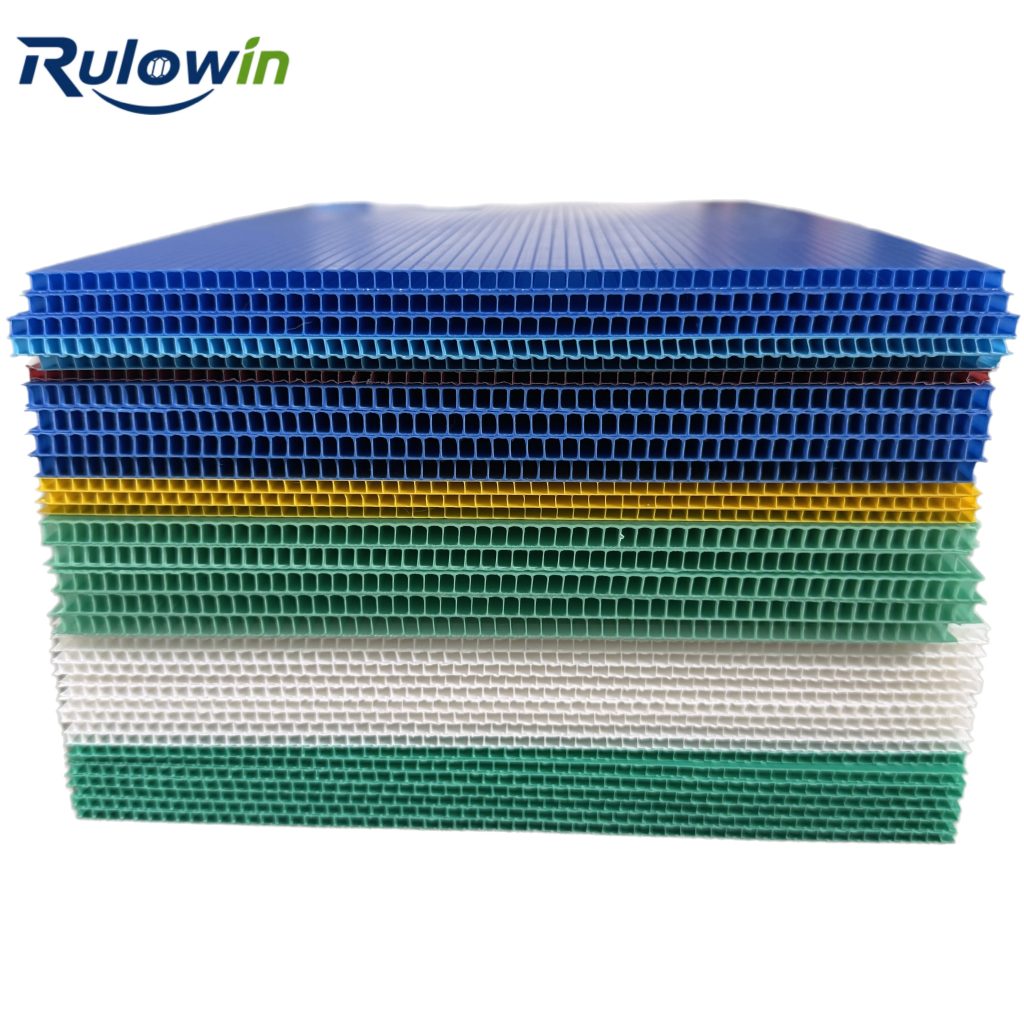
We supply PP sheet and fabricated protection panels suitable for repeated cleaning, cut to bay sizes for phased installation. Tell us the cleaning regime, whether the area stays occupied and what equipment crosses it, and we will quote something that fits rather than something generic.