
Traceability on packaging is less demanding than on food or pharmaceuticals and more useful than most buyers assume. When a batch fails in use, the question is always the same two: when was it made, and what else came from that production run. Suppliers differ enormously in whether they can answer.
What a batch record should contain
A batch or lot identifier, a production date, the resin lot used, and the machine or shift. That is enough to narrow an investigation from everything you have ever received to a definable group, and it is achievable by any organised manufacturer.
Most suppliers mark the lot on the outer packaging rather than the individual unit. That is usually adequate – it lets you identify which delivery a unit came from, which is normally what an investigation needs.
The two questions that reveal the answer
Ask: if I find a failed unit in six months, can you tell me what else was made in that production run? And: can you tell me which resin lot it used?
A supplier with real records answers both without hesitation and usually with an example. One without them talks about quality in general terms. Neither answer is disqualifying on its own – traceability costs money and low-value commodity packaging may not justify it – but you should know what you are buying.
When it genuinely matters
Regulated supply chains, where your customer will ask. Food contact, where a material issue has to be traceable. And anything custom with a long service life, where a failure mode might not appear for months and you need to know whether it affects one delivery or your whole stock.
For a picking box in an ambient warehouse with no customer requirement, elaborate traceability is money spent on paperwork. Ask for the delivery-level identification and stop there.
What you can do yourself
Mark deliveries on receipt – a simple system of recording supplier lot against your own receiving date gives you the mapping you need even if the supplier’s records are thin. Keep the delivery note, and keep a retained sample from each delivery.
Retained samples are the most underrated part of this. Four units from each delivery, tagged with the date, settle most questions in minutes rather than weeks.
How long records are kept
Ask, and match it to your own retention. A supplier keeping records for one year and a product with a five-year service life is a mismatch you will discover at the worst moment.
If traceability is a requirement, state the retention period in the order rather than assuming – it is a cheap clause and it is rarely volunteered.
What to do when a batch fails
Establish which deliveries are affected before you establish why. Lot identification on the outer packaging plus your own receiving records gives you that in minutes; without both, the safe answer is to quarantine everything, which is expensive.
Then quarantine the affected group, tell the supplier with the lot reference, and ask what else came from that run. A supplier with real records answers quickly and that answer is what limits the scope.
How much traceability to ask for
Match it to the consequence. A commodity item in a low-risk application needs delivery-level identification and nothing more. Anything going into a regulated supply chain, or anything custom with a long service life, is worth the fuller record – and worth stating the retention period in the order.
What we can do
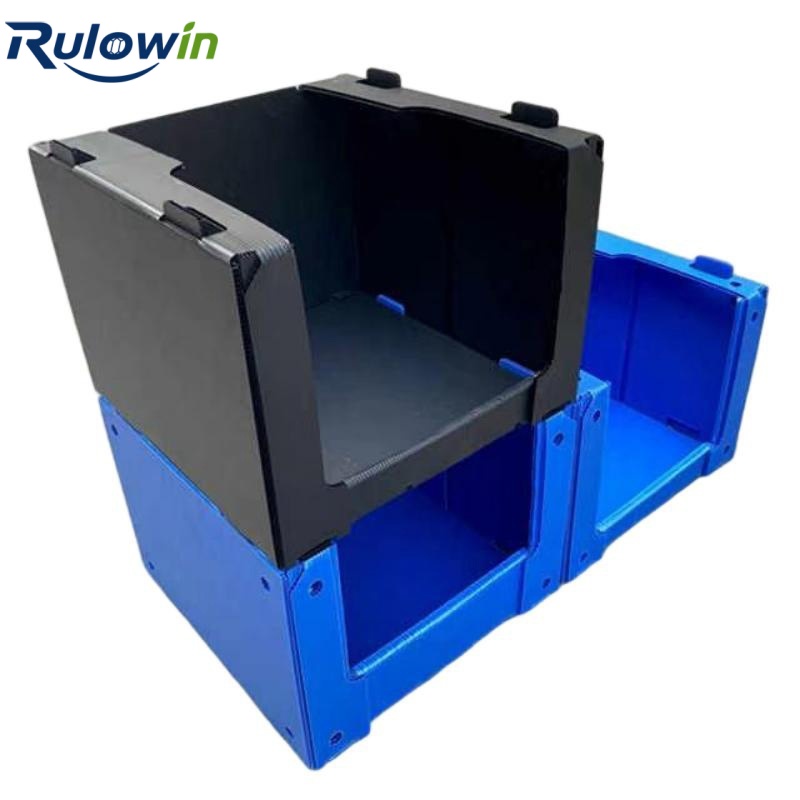
We supply PP picking boxes with lot identification on the outer packaging and production records retained, and we will tell you the retention period in writing. Ask us at the enquiry stage – it is easier to confirm then than to reconstruct later.