
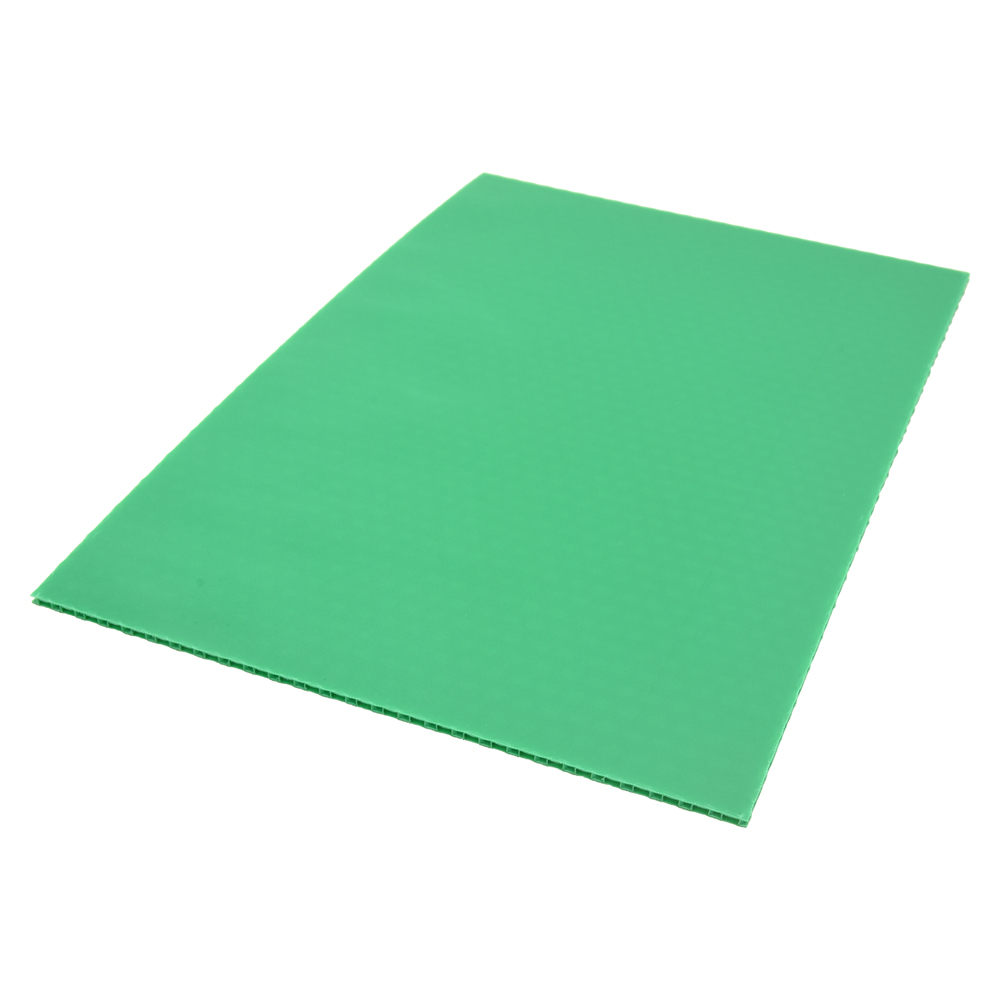
Protection is usually blamed for damage caused by its fixings. Panel edges get the attention, but it is the tape – and specifically what the tape does to the floor over several weeks – that produces most of the staining and surface damage someone pays to repair.
How the damage happens
Three mechanisms repeat. Adhesive migrates into a porous or semi-porous finish and leaves a permanent mark that darkens with dirt. Adhesive bonds to a coating strongly enough that removal lifts coating with it. And plasticiser or solvent affects a surface that is still curing, leaving a dull or soft patch with the shape of the tape run.
Dwell time is the dominant variable
Almost any tape is harmless for a day or two. Problems scale with time, temperature and foot traffic pressing the adhesive into the surface. Instead of hunting for a magic product, set a maximum dwell period and re-tape. A weekly re-tape is cheaper than repairing resin, and nobody enjoys it either way.
Match adhesive to substrate
Smooth non-porous finishes generally tolerate low-tack acrylics better than rubber-based adhesives. Porous stone, unsealed concrete and some timber are the opposite – they need the gentlest possible bond or none. Test in an inconspicuous area for two days before committing, and record the result in the protection method statement.
Avoid taping to the floor altogether
Wherever geometry allows, join panels to each other rather than to the floor: lipped or rebated edges taped on their top surface, perimeter battens, or simply weight. This removes the risk entirely and is usually faster to install and strip. The option is often skipped simply because it was not in the delivery.
Removal technique
Peel slowly at a low angle rather than pulling up vertically, and heat is sometimes helpful on stubborn runs – carefully, and with the flooring contractor’s agreement. Aggressive solvents can cause worse damage than the residue; always trial, and get approval before anything touches a finished surface.
Do not use site-standard tape by default
Whatever is in the stores gets used, and it is usually a general-purpose cloth tape with aggressive rubber adhesive and no place near a finished floor. Specifying protection includes specifying what holds it. Naming an acceptable tape – and supplying it with the panels – is the cheapest control available.
Getting residue off without causing damage
Start with the gentlest method and work up: warm water and a plastic scraper, then a mild solvent compatible with the finish, and only then anything stronger – always approved in writing by whoever applied the floor. Perpendicular lifting with a blade held flat usually marks stainless and coated metals before it removes tape.
Time is usually the deciding factor rather than method. Fresh residue comes off with warm water; residue that has cured under foot traffic for six weeks does not, which is another argument for re-taping on a schedule rather than leaving runs down for the duration. Where the floor underneath is resin rather than stone or timber, see epoxy floors and the tape residue problem.
Ask the flooring contractor first
Whoever installed the finish already knows what lifts it and what does not, and most will tell you in a single phone call. Asking before specifying avoids repeating a mistake they have seen several times, and it puts them on record so any later discussion starts from shared information rather than competing opinions. The resin version of the same problem is in epoxy floors and tape residue.
What we can do
We supply protection panels with interlocking and lipped edges so they can be laid without adhesive contact with the floor, and we will specify a suitable tape rather than leaving the site to improvise. Ask at enquiry – it costs nothing and prevents the most common avoidable damage.