
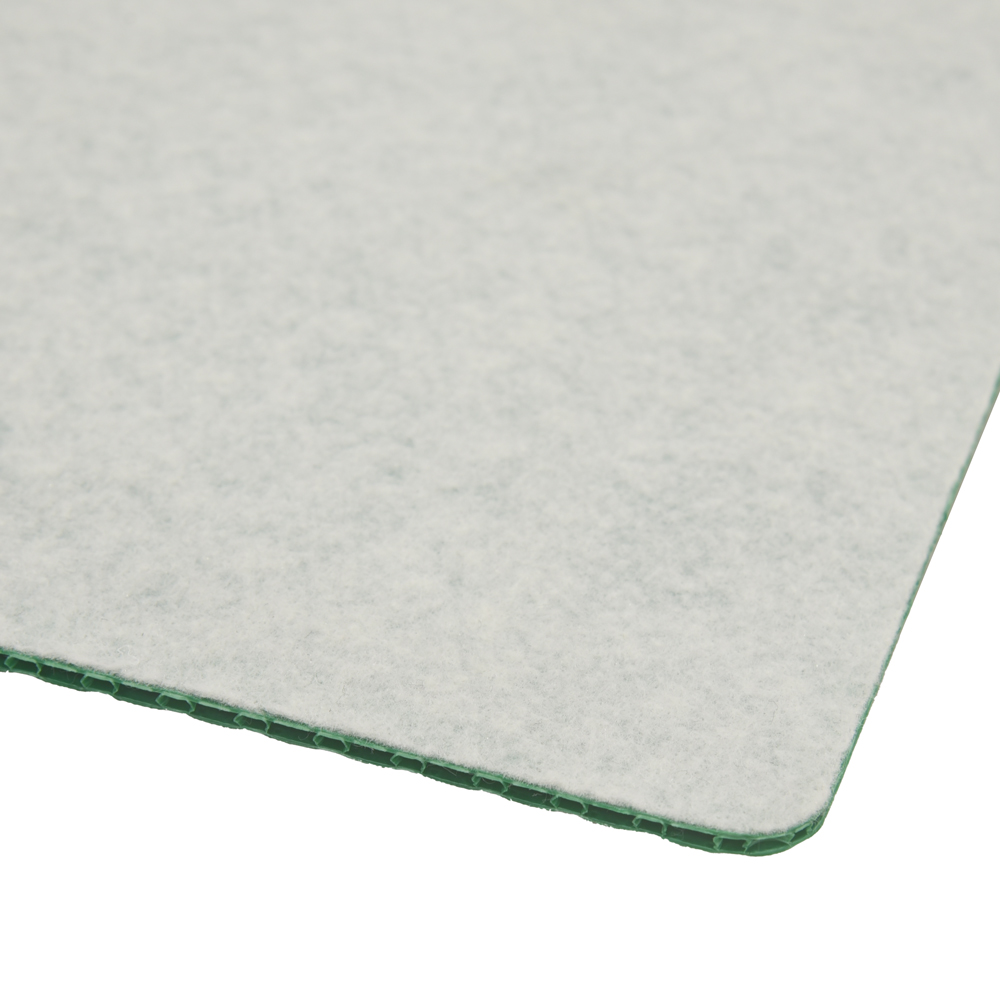
Temporary works get less scrutiny than permanent works, which is odd given how often they fail. Protection materials usually arrive without a submittal, get installed on the installer’s judgement, and are then rejected by a client representative on appearance or a fire consultant on classification. Both outcomes are avoidable with about an hour of preparation.
What a protection submittal should contain
Four things: what the material is, what it is rated for, how it is fixed, and how it comes off. Include the manufacturer’s data for the relevant properties – load, fire classification if applicable, slip behaviour – together with the fixing detail and the removal method with making-good notes. One page is normally enough.
Fire classification specifically
Where the specification calls for a classification, supply the certificate that covers the actual product and thickness being installed, not a generic family document. Assessors check that the certificate scope matches what is on the wall, and a document covering a different thickness or construction is worse than none because it invites a challenge to everything else in the pack. We have made this point generally in what suppliers can honestly claim.
The mock-up earns its cost
Build two square metres of panel in a representative area, including a joint, an outside corner and the floor-to-wall junction. Leave it two weeks. This settles more questions than any datasheet: does the tape hold, does it scuff badly, does dirt get behind it, does the joint stay flat under traffic, and can it be removed cleanly.
Get it signed off by the right people
Mock-up approval is meaningless if the people who will judge the finished job did not see it. Get the client representative, the fire consultant if relevant, and whoever will assess making-good at practical completion to walk it. Record their comments and the date, because six months later nobody remembers which version was approved.
Keep the approved sample
Retain a physical piece of the approved protection, labelled with the project and the approval date. Extended programmes change suppliers, and without a reference the replacement is whatever is available rather than what was agreed. That habit is covered in detail for fabricated parts in keeping reference samples.
Where formality genuinely wastes money
On a small internal package with no fire implications and no client aesthetic requirement, a full submittal pack is overkill. A photograph of the proposed product and a line in the programme is plenty. Spending two days compiling documents for a weekend of protection helps nobody.
What the client actually wants to see
Clients rarely read protection submittals closely; what they respond to is the mock-up and one photograph of the detail. Spend the effort there. A cleanly executed two square metre sample with a tidy joint and a finished edge convinces more than a datasheet index, and it sets the standard that site teams will unconsciously match.
Include the removal result as well. A small area stripped out and inspected during the mock-up stage shows that the method comes away cleanly, which is the question that actually gets asked later – usually when there is no time to test it.
What we can do
We supply datasheets and certificates for the specific honeycomb panels we ship, and we will tell you plainly where we cannot evidence something you need. Ask at enquiry stage, not at delivery, and we will build the submittal page with you.