
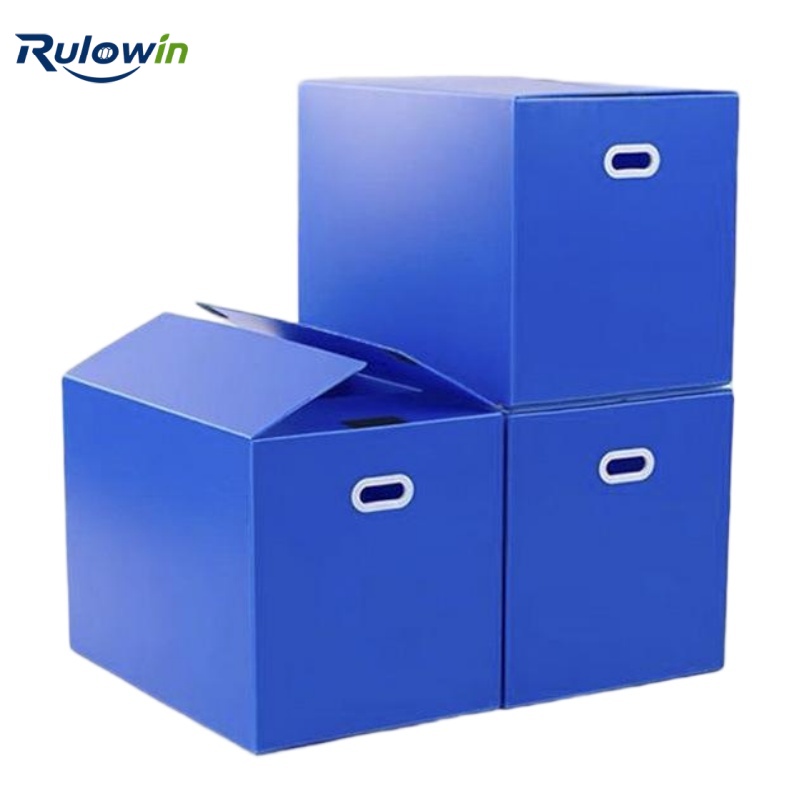
A sortation line accelerates a container, reads it, and then changes its direction – by a pop-up wheel, a diverter arm, a tilt tray or a cross-belt. The container has no warning and no time to settle. Everything the sorter does to it is transmitted through the base, and the base is the part that determines whether the container tracks, reads and ends up in the right place.
Acceleration and the traction requirement
A sorter has to bring a container up to line speed quickly, and it does that through friction against the base. A base with low or inconsistent friction slips, and a slipping container arrives late, which means it is read late and diverted late. Where a sorter has a high mis-sort rate, the base friction is the first thing to measure – on used containers, not new ones, because the finish changes with wear.
Lateral force at the divert
A diverter pushes the container sideways, applying force to one wall near the base. That is a bending load on the wall and a shear load on the base-to-wall joint, applied quickly and repeatedly. Where containers sustain damage on a sorter, it is usually at that joint. A continuous base perimeter tied into the walls, rather than a base panel sitting under them, is the construction that survives it.
Flatness for reading and weighing
Many sorters read the container from below or weigh it in motion. Both need the base to be flat and consistent: a scanner under the belt needs a clean optical path, and an in-motion weigh module needs the load to sit on its full footprint. A base that rocks or that has variable contact changes both the read and the weight, and the errors are intermittent and hard to attribute.
Wear on the base, and the downward spiral
A sorter wears the base by sliding it. As the base wears, its friction changes, which makes it slip more, which makes it slide more, which wears it faster. That is why sortation mis-sort rates tend to increase with fleet age rather than staying constant. A base material with good abrasion resistance, and a base design that puts the wear on a replaceable or non-critical area, slows the spiral considerably.
Gaps, and the short container problem
A sorter has gaps in its surface – for scanner windows, for diverter mechanisms, for the transition between sections. A short container spans fewer of them successfully and is more likely to drop into one. Where a fleet includes a small size, that is the one that will mis-sort, and it is worth testing at the sorters before the fleet is committed. The mechanics are the same as described in roller spacing and base design.
What a sorter needs specified
Maximum acceleration, divert method and force, line speed, and the largest gap in the running surface. Four facts from the equipment supplier. Given them, a base can be specified with the right friction, the right stiffness and the right wear resistance. Given none of them, the base is specified for stacking and then meets a duty it was never designed for.
Testing before installation
Run the oldest containers in the fleet through the sorter at full speed, loaded and empty, and count mis-sorts and any visible damage. New containers at reduced speed tell you almost nothing about year two, and the containers that will cause trouble are the worn ones that are already in the building. Send us the sorter specification and we will tell you which base construction suits it.