
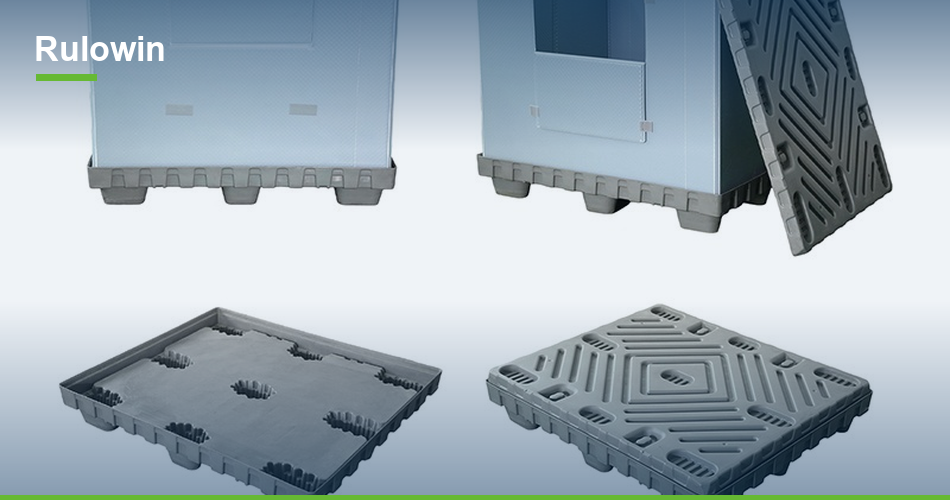
A pallet sleeve system is a significant change to how a unit load is built, and the decision should not be made on a spreadsheet. A pilot is cheap, and it produces the three numbers that actually determine whether the system pays.
What to run
Twenty sets on one lane. One lane, not a mixed sample – you need a clean comparison against whatever you use now. Six months is about right: long enough for several trips each and long enough to see how the parts wear.
Choose the lane deliberately. Either the one where your current packaging fails most, so the improvement is visible, or the one with the highest freight cost, so the weight and return-volume benefit shows up in the numbers.
Number one: damage at the receiving end
Count it before and count it during. If you are not counting damage now, start – a pilot with no baseline gives you nothing to compare against, and the baseline is the more valuable half of the exercise.
Record it as a rate per hundred shipments, not as an impression. Impressions of damage rates are unreliable in both directions.
Number two: how many come back
The return rate. If most of your sleeves are not coming back, the economics collapse and no amount of durability saves it. This number is usually the one that decides the whole thing, and it is the one nobody measures in a business case.
It is also the most fixable: if the return rate is poor, it is a scheduling problem, and scheduling problems are cheaper to solve than product problems.
Number three: assembly and handling time
Time a build with the sleeve system against a build with your current method. Sleeve assembly is usually faster than crate assembly and slower than a wrapped pallet. Where it lands relative to what you do now is a real cost that often gets left out.
Also watch the collapse step at the far end. If it is slow or awkward, it will not happen, and that is the beginning of the return-rate problem.
What to inspect at the end
Bases first. Count how many are worn or cracked – that is your base replacement interval and it is the number to budget for. Then sleeves: fold each flat and reopen, and count how many have lost a crease.
That gives you the two replacement rates that drive running cost, measured under your own conditions.
What to do with the results
If the pilot shows the system pays, the temptation is to order the whole fleet at once. Resist it slightly – order enough to convert two or three lanes and run those for another six months. Scaling exposes problems a single lane does not: boxes migrating between lanes, collection getting harder, and base wear appearing faster than expected.
If the pilot shows it does not pay, the useful output is knowing why. Usually it is the return rate, and usually that is fixable. A pilot that fails on return rate is not a failed product evaluation – it is a scheduling problem that has been identified cheaply.
What we can do
We supply industrial returnable pallet sleeve systems and will size a pilot with you. Tell us the lane and what you use now, and we will tell you what to measure – including being honest about the cases where a pilot shows the system does not pay.