
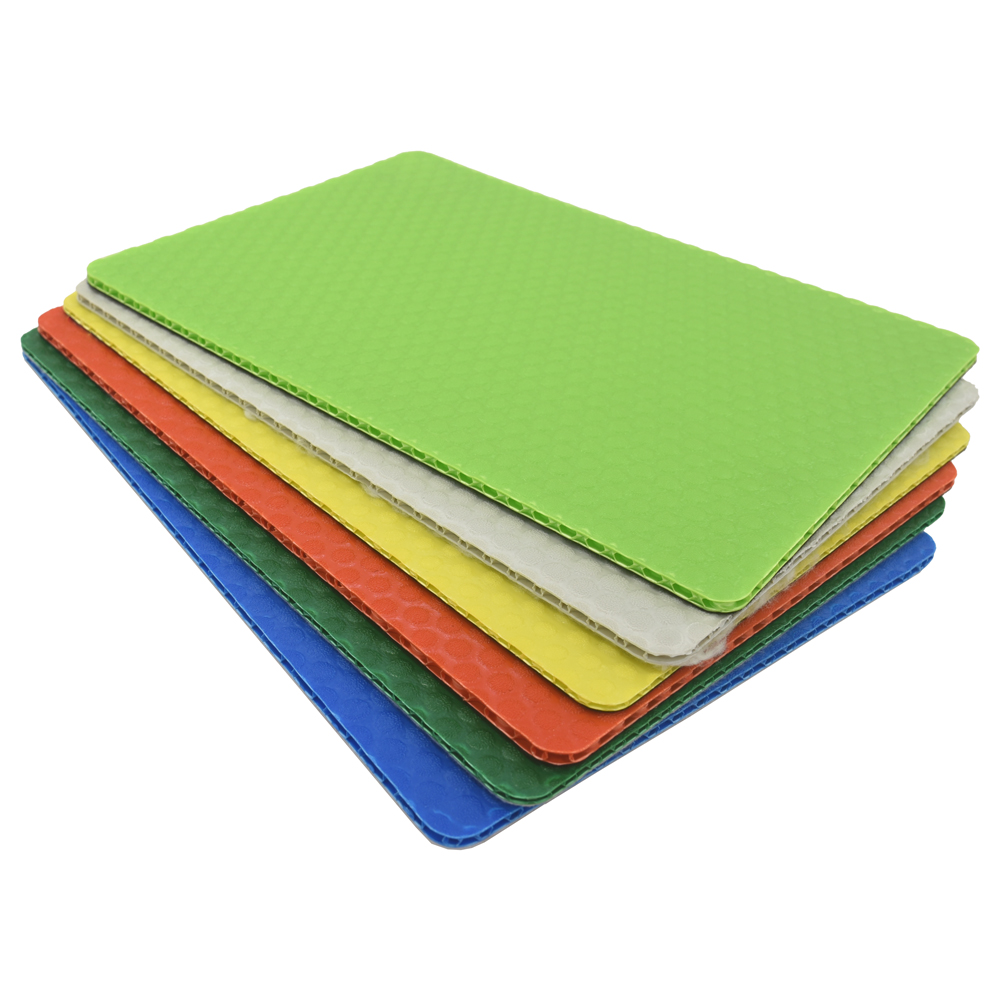
A timber stair in a refurbishment is usually the element the client cares about most and the one that takes the heaviest traffic, because it is the only route between floors. It is also more fragile than it appears: the visible tread is often a relatively thin layer over a structure, and the nosing is the thinnest, most exposed part of the whole assembly.
What actually damages timber treads
Three mechanisms, in order of frequency. Abrasion from grit carried up on boots, which dulls and then cuts through the lacquer along the line where people plant their feet. Impact at the nosing from anything carried up and set down, which dents or splits the edge. And adhesive or tape left on the surface, which pulls the lacquer off when it comes up. Impact is the one people protect against; abrasion is the one that actually happens.
Why a soft face is not enough on its own
A fibrous face stops grit being ground into the lacquer, which deals with the main mechanism. It does nothing for the nosing, because the nosing is a corner and a flat cover laid over the tread leaves it either uncovered or covered by a fold that will not stay down. The nosing needs a profile, not a sheet – that is the single most useful thing to specify on a timber flight.
What to put down and what to avoid
A rigid cover with a fibrous face against the timber, cut to the tread and wrapping the nosing. Avoid anything with a hard embossed pattern against a lacquered surface: it prints under load, and on a warm stair the print becomes permanent. Avoid general-purpose tape on timber entirely – the adhesive bonds to lacquer within days and takes the finish with it when it is pulled.
Working on the flight during the job
The stair is a route, not a work area, and it should be treated as one. Materials carried up should go on the cover, not dragged across it. Tools set down on a tread should be set down on something. And any cutting or sanding near the stair produces dust that is harder than lacquer and ends up on the treads – seal the flight off from that work, which is easier than cleaning afterwards.
If the damage is already done
Surface scuffs in the lacquer can often be polished out. Anything that has cut through to bare timber needs the tread sanded and the whole flight refinished, because a patch repair on a stair never matches. That is expensive enough to be worth avoiding properly, and it is the reason a fabricated nosing profile is worth its cost on anything but the shortest job.
Dust and the stair as a chimney
A stairwell acts as a chimney: dust and warm air rise through it, and everything generated on lower floors ends up on the treads above. Sealing the flight at one end during dusty work, or at least closing the door at the bottom, does more for a timber stair than any cover. It is a sequencing point rather than a product point and it costs nothing.
What we can do
We supply felt-faced honeycomb tread covers cut to the tread with a wrapped nosing profile. Tell us the tread depth, the nosing type and how long the flight will be in use, and we will say what is worth covering – including when a landing-only cover is enough because the flight is being replaced anyway. Timber under load is also discussed in protecting timber sports hall floors from point loads.