
A poured resin or epoxy floor is one of the hardest wearing finishes available once it has cured, and one of the most easily ruined in the days before it has. Most resin floor damage on site is caused by protection applied at the wrong time or with the wrong backing, not by anything the trades did.
Cure time is the whole risk
Resin floors have a walk-on time and a full cure time, and they are not the same – a floor can take foot traffic at 24 hours and not be fully cured for a week or more. Covering before full cure traps solvent and moisture vapour coming out of the slab, and that produces blushing, soft spots and delamination. The floor supplier’s cure schedule is the input that decides when protection goes down, and it needs asking for rather than assuming.
What the wrong backing does
Some protection backings plasticise against resin, and some adhesive products attack it directly. Leave a PVC-backed sheet on a resin floor in a warm room and the two can bond, or the backing can leave a permanent mark that has to be ground out. A polypropylene or fibrous face against resin is safe; a soft vinyl backing is not, and it is worth checking what the backing actually is before it goes down.
Why resin does not need scratch protection
A cured resin floor is hard and it does not scratch easily from grit under boots. What it does is mark from rubber – the same plasticiser transfer that marks vinyl – and it dulls under heavy abrasion. So the protection requirement is spill and impact, plus keeping rubber off it, rather than the fibrous anti-abrasion face that a timber or stone floor needs.
Heat and direct sun
Resin softens noticeably when warm, and an atrium floor in direct sun is softer than the same floor in a corridor. Loads that are fine in the morning can print in the afternoon. On a sunny floor the specification needs to assume the soft case, which usually means spreading loads wider rather than using a thicker cover.
Where resin should be left until last
The most reliable answer on a lot of jobs is to pour the resin after the heavy trades have finished and protect it only during the light fit-out at the end. That removes almost all of the risk and it is worth raising at programme stage, because the sequencing decision is worth more than any protection product.
What resin does to the protection
The relationship is not one-way. A fresh resin floor gives off solvent and moisture that can mark the underside of a cover, and some covers will block or blister against it. Use a polypropylene or fibrous face rather than a soft vinyl one, lift and air the cover periodically in the first fortnight, and expect the cover to be consumable on a resin job rather than reusable.
What we can do
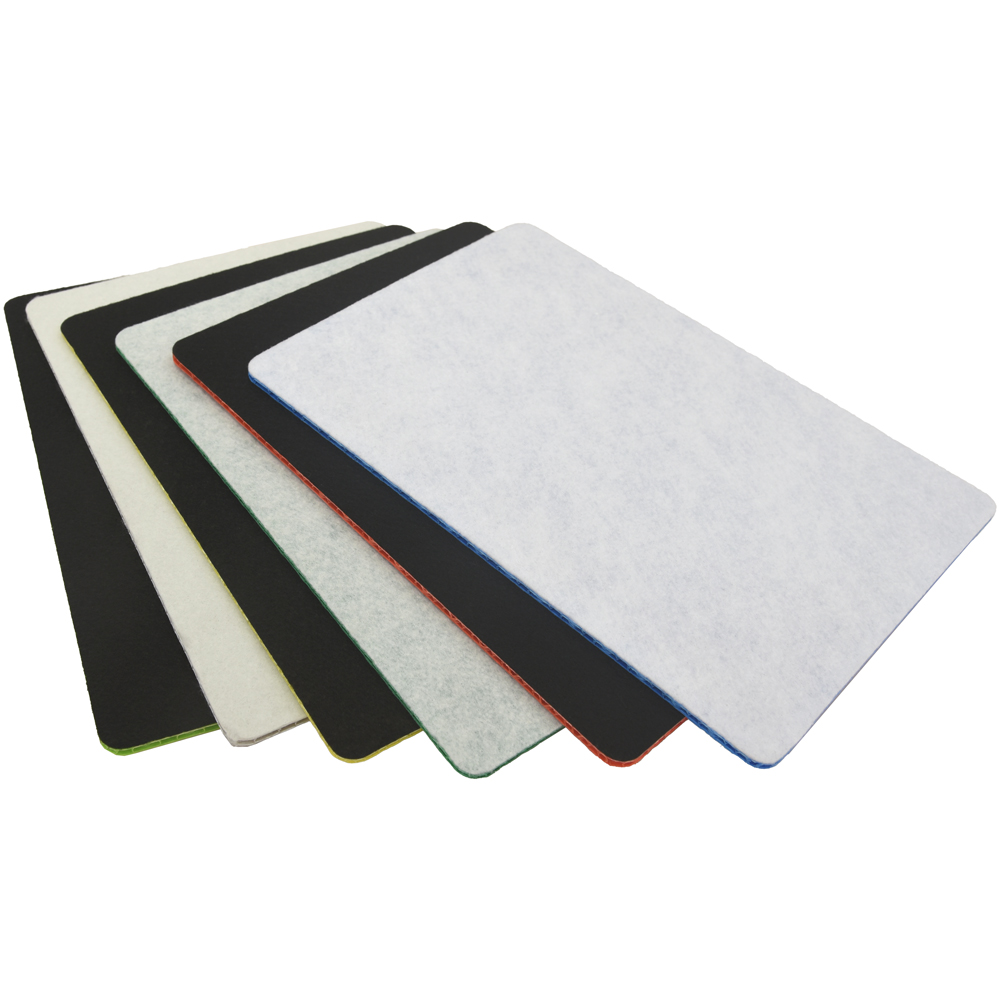
We supply PP honeycomb panels with a face that is safe against resin, and we will ask for the cure schedule before quoting a start date. Tell us what the resin system is and when it was poured, and we will say when protection can go down and what it should be. Adhesive and marking risk is discussed in tape, adhesive and staining on finished floors.