
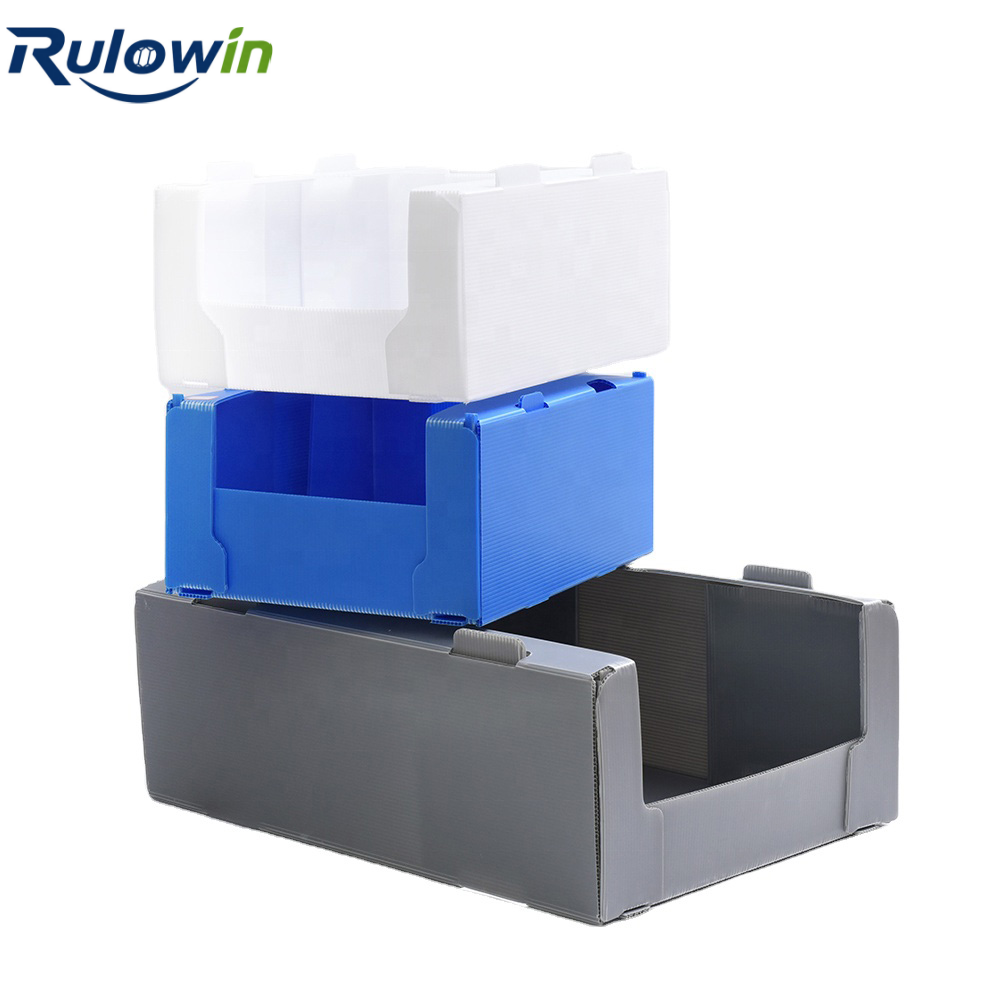
Velcro-style hook-and-loop tabs and elastic straps solve a real problem – closing a flexible lid or retaining a divider without hardware – and they introduce the shortest-lived component in the whole assembly. Boards survive years; textile closures often do not survive a season.
Why the closure dies first
Hook-and-loop works by thousands of small hooks engaging loops. Every separation cycle bends them and some do not recover. Abrasion, lint, product dust and washing all accelerate the decline – particularly lint, which packs into the hook side and progressively prevents engagement.
A closure rated for thousands of cycles in a clean room will manage a fraction of that in a food packing shed with flour dust or fibre shedding into it.
Design so the closure is replaceable
The single most valuable decision is making the closure the only part that needs replacing. A tab riveted on with four rivets means replacing a panel or drilling out hardware. The same tab with a strap slot, or a hook side bonded to a replaceable carrier, means a thirty second swap.
Where failure is predictable – and here it is – designing for replacement is not over-engineering, it is the whole point.
Washing is harder on closures than on board
Hot wash, detergent and mechanical action pull hooks loose from their backing and soften some adhesives. If the pack goes through a tunnel, specify closures with welded or stitched attachment rather than adhesive backing, and expect to replace them proactively. The picking box itself is unaffected; every closure on it is not.
Elastic loses tension, then gets lost
Elastic straps relax with age, faster with heat and with exposure to oils. Once relaxed they stop retaining anything and start trailing, which is how they get caught and torn off entirely. Specify a take-up adjustment, or accept a defined replacement interval, because waiting for failure means the strap is missing when it matters.
Consider whether a closure is needed at all
A surprising number of closures exist because nobody questioned them. An overlapping lid that stays shut under its own geometry, a lip that locates on the picking box below, or a simple strap over the top often does the same job without the wearing part. Removing the closure entirely is the most reliable option where product security allows it.
Where closures genuinely earn their place
Where contents must not spill in transit, where a lid has to open one-handed repeatedly, and where pack sizes vary – adjustable closures handle variable fills better than any fixed geometry. In those jobs keep them and just plan their replacement alongside labels, which fail on a similar schedule, as discussed around labels on picking boxes.
Specify the closure life, not the closure
Ask for a cycle rating and check what it was tested against – clean laboratory cycling, or something resembling your wash and dust conditions. The gap between those two is usually a factor of several, and quoting a laboratory number for a food packing environment sets up a predictable disappointment.
If a supplier will not state a cycle rating, treat the closure as consumable from the start and plan replacement alongside labels. That assumption is cheaper to manage than a closure specification that turns out to be optimistic.
What we can do
We fit closure systems to corrugated picking boxes using replaceable carriers, and we will question the closure entirely if the design does not need one. Tell us how often the pack opens and what it carries, and we will size the closure life to the intended service rather than leaving it as the first thing to fail.