
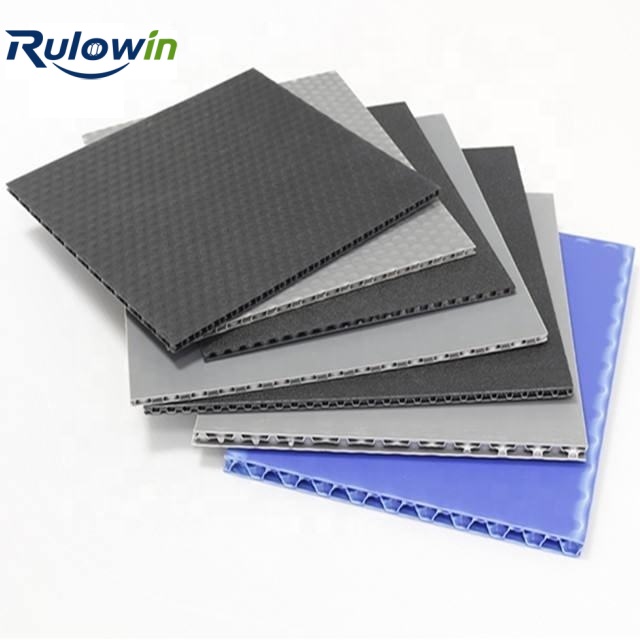
Half of the handling in a plant is not done by a forklift. It is done by a person with a trolley, up a ramp, onto a mezzanine, through a doorway. That is the duty cycle a honeycomb board box is best suited to, because the box weight is the whole problem and the panel is the whole answer.
Why weight matters more here than anywhere else
On a forklift, tare weight is a fuel cost. On a trolley up a ramp, it is a manual handling risk, a ramp width problem and a reason the trolley gets left at the bottom. A box that weighs twenty kilograms gets moved properly; a stillage that weighs a hundred and forty gets dragged or left. The consequence of the lighter box is better compliance, not just lower effort.
Ramp gradients and the real limit
Most manual handling guidance lands somewhere around a gentle ramp for a single person with a loaded trolley, and it is the gradient rather than the weight that people underestimate. Cutting the box weight by half effectively doubles the gradient a person can manage with the same load, which can remove a lift assist or an extra person from the process entirely.
Trolley and box interface
A box that sits on a flat trolley deck will slide. A shallow recess, a locating frame or a set of feet that drop into the trolley gives positive location and stops the strap damage that comes from a box creeping into a guard rail. Designing the box with the trolley in mind is worth one conversation, and it is the same principle as designing the fork entry.
Mezzanine floor loading
Mezzanine floors have a rated load, usually expressed per square metre, and a stack of loaded boxes is one of the easiest ways to exceed it because the boxes concentrate weight in a small footprint. The check is simple and is often skipped. If the mezzanine is marginal, distributing the boxes rather than stacking them deep usually fixes it without any change to the packaging.
Getting boxes up and down
Lifts are slow, stairs are impossible and a goods lift is a bottleneck. Where boxes have to move between levels regularly, the answer is usually a small number of boxes sized to the lift rather than one large box that has to be partially unloaded. Sizing to the route, not to the part volume, is the recurring theme in all of this.
Doors, corners and the aisle width test
Take the box, put it on the trolley and walk the actual route before ordering a fleet. Door widths, a column that is closer than it looks, a fire door that will not stay open, a ramp with a lip at the bottom. Every one of those is discovered on the first day of the fleet and none of them is discovered on a drawing.
Handholds and where they go
Boxes that are lifted by hand need handholds at a height that suits the person, which means near the top for a low box and in the middle for a tall one. A handhold that is unreachable is a handhold that is not used, and the box gets lifted by the rim, which is where lids break and corners crush.
Training that actually sticks
Manual handling training that consists of a video does not change how a box is moved. Demonstrating the specific route, with the specific trolley and the specific box, does. Twenty minutes on the actual ramp with the actual load is worth more than an hour in a classroom, and it is easy to arrange when a new fleet arrives.
It also helps to remove the temptation to take a shortcut. If the ramp route is longer than the route with the steps, the steps will be used. Siting the lift close to the mezzanine access, or moving the access itself, is a facilities decision that changes behaviour more reliably than any instruction.
What we can do
We build PP honeycomb board boxes light enough for a trolley route and with handholds, feet and locating features designed for the equipment you already have. Tell us the route, including the doors and the ramp.