
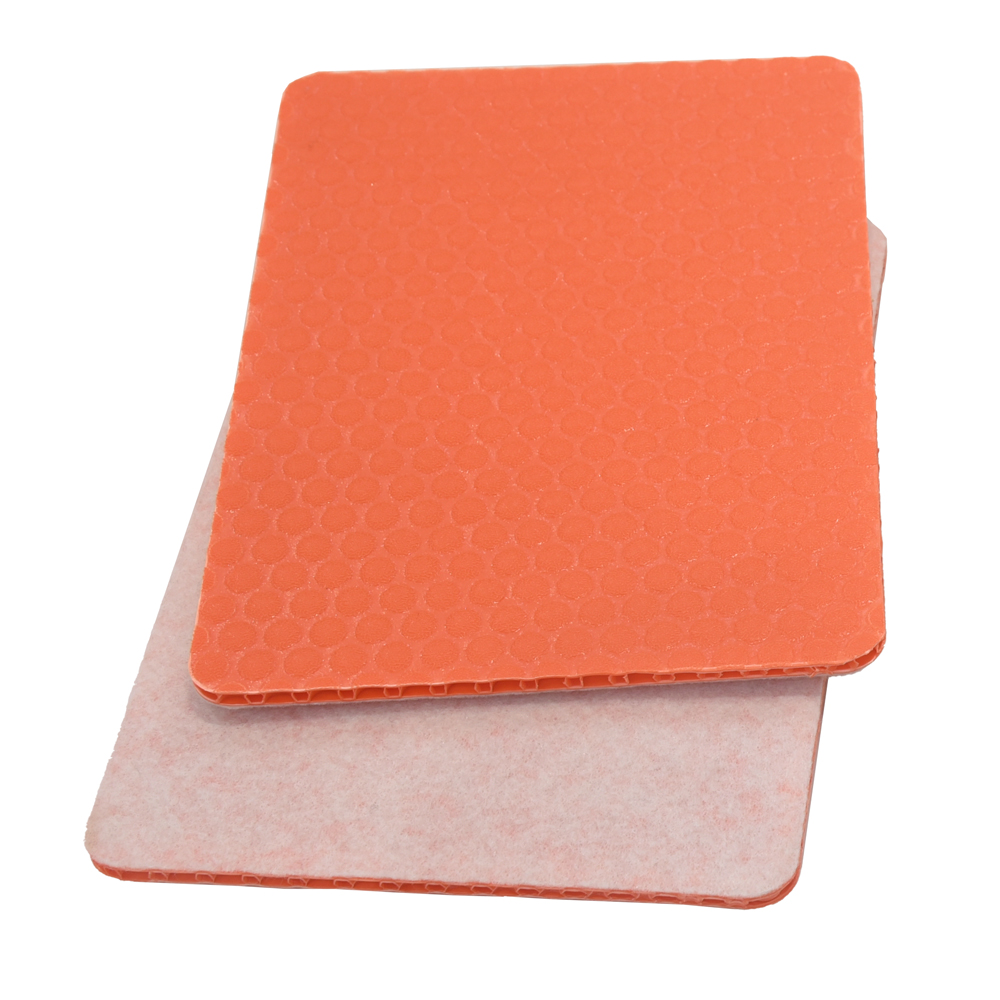
A sheet of polypropylene protecting a wall during refurbishment looks like a temporary consumable and gets treated as one. If it is on an escape route or in an occupied building, it is subject to the fire strategy, and the person who has to answer for it is whoever specified it.
Start with the fire strategy, not the product
The route classification, building use and occupancy decide what is permitted. A corridor forming part of an escape route is treated far more strictly than a closed-off working area, and some clients and insurers impose requirements beyond the minimum. Before asking for a product classification, ask what classification is required – they are different questions and the first one is the useful one.
What the certificate has to cover
A fire test result applies to a specific construction: material, thickness, colour, facing and sometimes fixing method. A certificate for a thinner panel, a different resin or a different substrate does not transfer. Ask for the test report and check the scope section matches what is being installed, including thickness. If the supplier cannot show a matching scope, that is the answer.
Surface spread of flame in practice
Assessors typically want a reaction-to-fire classification under the relevant national or European system. Polypropylene performs variably depending on formulation, and fire-retardant grades behave differently from standard ones. Where a project genuinely requires a classified material, specify it explicitly and expect a cost and lead time implication – both real, and both cheaper than replacing installed protection.
Fixings and gaps count too
Protection that is compliant as a material can still fail the arrangement: large gaps at the top allowing smoke travel, combustible fixing battens, or protection blocking a smoke seal or door closer. Detail the installation, not just the sheet, and get the whole arrangement agreed rather than the panel in isolation.
Emerging doubt mid-project
The most common failure is not choosing a bad product – it is choosing no product consciously and then being asked, three weeks in, whether the installed protection is compliant. Nobody has paperwork, somebody raises a non-conformance, and the cheapest answer at that point is usually to rip it out and start again. Ten minutes at specification stage avoids it. The habit of checking what a supplier can actually prove is covered in what suppliers can honestly say.
Where we draw the line
We will supply what we can evidence and say clearly when we cannot meet a classification. What we will not do is send a certificate for a similar product and hope nobody reads the scope, because that puts the risk on you and the liability eventually comes back to us.
Questions to put to the fire consultant
Ask four things in writing: which classification is required for this specific location, whether the requirement differs between escape routes and enclosed areas, whether the client’s insurer imposes anything further, and whether partially covering a wall changes anything. Those four answers remove the ambiguity that causes most late substitutions.
Ask early. Once protection is bought and installed, the cheapest compliant route is usually to remove it all and start again, and that cost tends to land with whoever chose it rather than with whoever applied it. Occupied corridors are the case where this comes up most: wall protection panels in live corridors.
What we can do
We supply honeycomb protection panels and can provide the test documentation we hold for the exact construction quoted. Tell us the classification your fire consultant requires and we will either match it or tell you to source elsewhere – before you order, not after.