
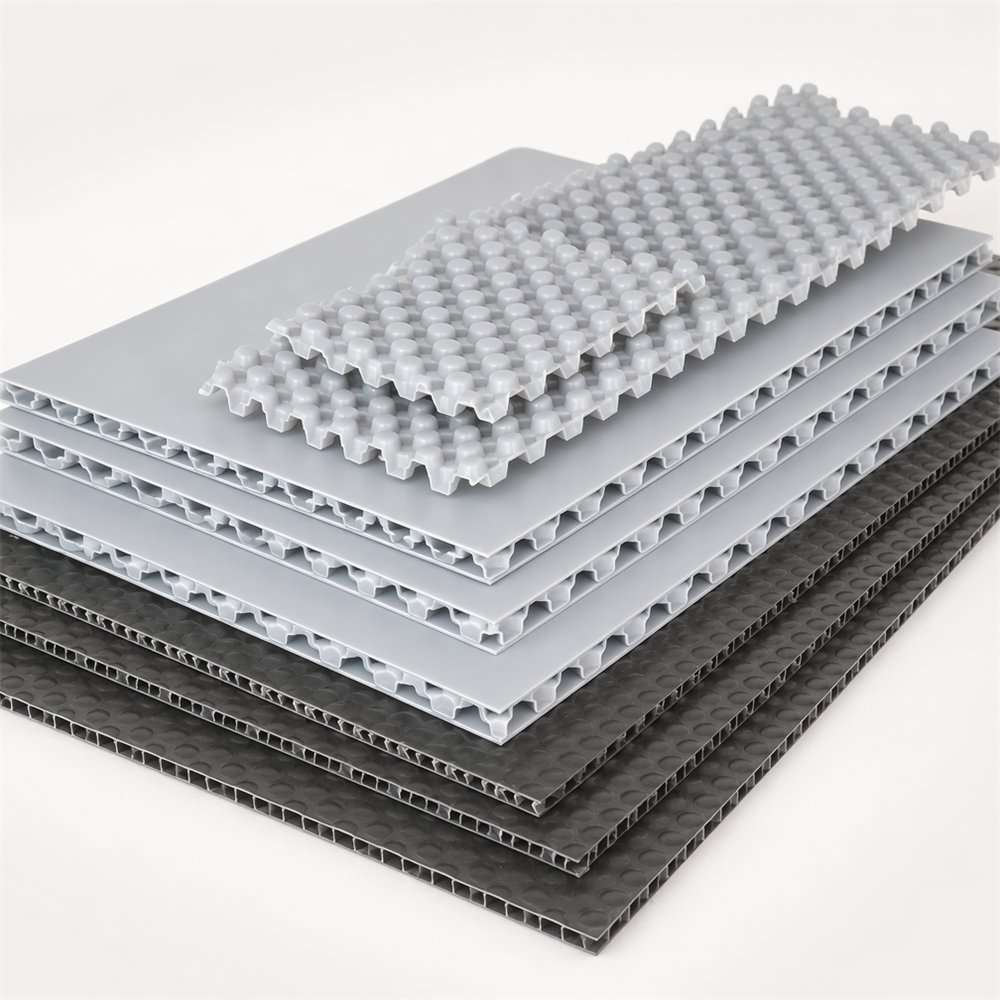
Every returnable box eventually leaves the loop, and the route it takes out is usually discovered rather than designed. That is a problem for two reasons: a full yard of dead boxes is a visible failure, and an unplanned disposal route undermines the sustainability case the fleet was bought on.
The three destinations
Reuse as something else, mechanical recycling, and disposal. Reuse as something else sounds appealing and rarely works at scale, because a worn box is worn everywhere and cutting it down produces a worse box. Recycling is the realistic route for a monomaterial polypropylene box. Disposal should be a small residual category and not the default.
Why monomaterial matters at this point
A box that is mostly polypropylene with metal hinges, foam dunnage and adhesive labels is harder to recycle than its weight suggests, because the components have to be separated. Design choices made years earlier decide the end-of-life cost, which is one of the few genuinely forward-looking arguments for keeping a box simple.
Preparing a fleet for recycling
Strip the spares, remove the dunnage, and separate anything that is not the same polymer. In practice this is a couple of minutes per box and it is the step that gets skipped, which is why mixed loads get rejected or downgraded. A simple stripping jig and a bin for each component turns it into a routine job.
Finding a route and getting a document
A recycler who will accept your material and give you a certificate of recycling or a weight note. That document is worth having: it answers a customer question, it supports a recycled content claim in the next generation of boxes, and it is the difference between a claim and an assertion. Ask for it before the first collection, not after.
Retirement in stages
Fleets rarely retire all at once unless they were bought all at once. The better pattern is continuous: a few per cent a year identified as unserviceable, stripped and recycled, with replacements bought in a rolling programme. It keeps the yard clear, it spreads the cost, and it means the end-of-life route is exercised every year rather than discovered every decade. The identification rule that makes this work is in retiring a box fleet.
Boxes that leave the site and never come back
Some boxes end up at a customer and stay there. That is a loss for the fleet and for the recycling route, because the material leaves your control. Where it happens repeatedly, it is worth a conversation with the customer about a take-back arrangement, which also tends to improve the return rate generally.
What to write into the first specification
Three lines: the polymer, the components that will be stripped before recycling, and the intended end-of-life route. Adding them to the original specification costs nothing and means the fleet arrives at retirement with a plan rather than a problem. It is the last section of a good box specification and the one most often omitted.
What a recycling record is worth
A weight note and a statement of what happened to the material turn a claim into a documented fact. Customers asking increasingly specific questions about packaging waste respond well to a document with a date on it, and the same document supports a recycled content figure in the next generation of boxes. It costs a phone call to arrange and it is much harder to obtain retroactively.
Where a fleet is retired in stages, each collection produces a small record, and the year-end sum is the number that goes into the sustainability report. That is a far better position than reconstructing a whole fleet’s fate after the yard has been cleared.
What we can do
We build PP honeycomb board boxes with components that can be stripped for recycling, and we will take back end-of-life boxes and provide the recycling record. Ask us about the take-back arrangement when you order rather than when the fleet retires.