
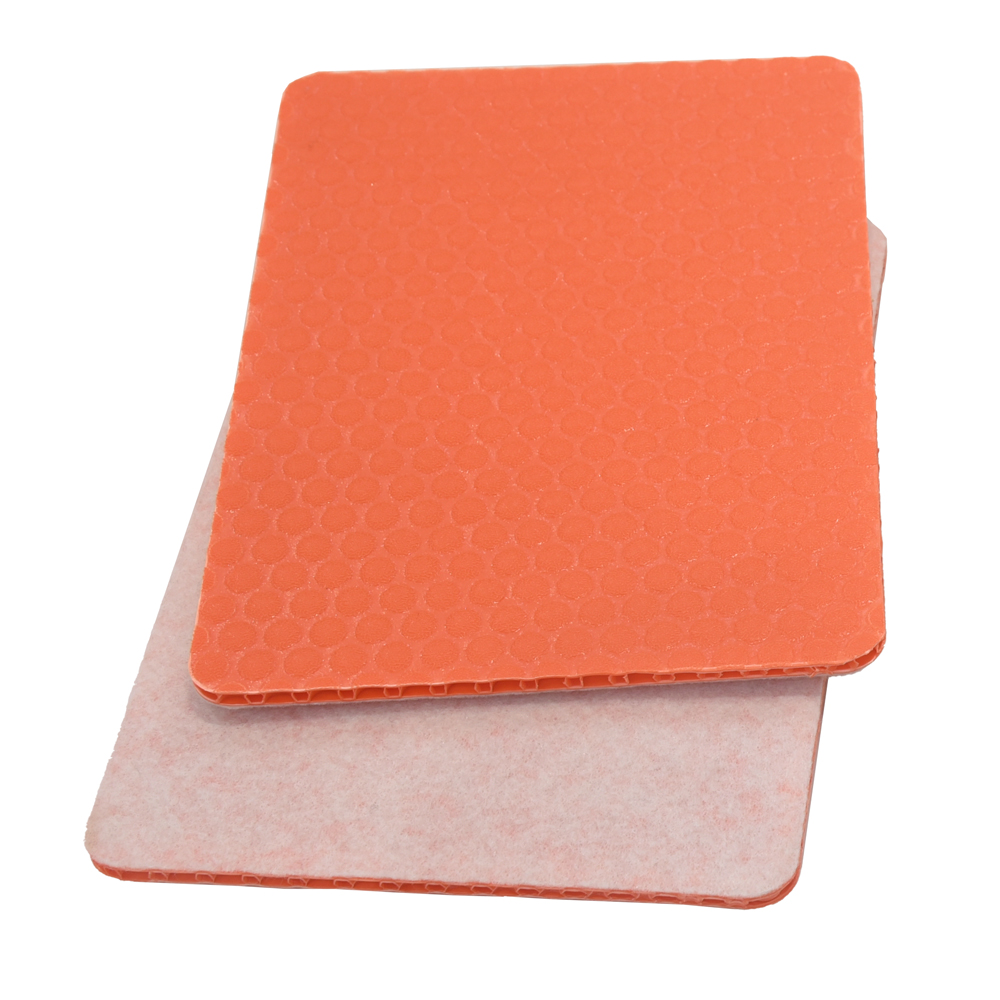
Reusable dunnage is almost always more expensive to buy than the single-use alternative it replaces. The entire business case sits in the denominator, and the denominator is the number nobody writes down.
The formula, stated plainly
Cost per trip equals purchase price plus lifetime running cost, divided by trips actually achieved. That is it. Two things make real comparisons hard: nobody knows the trips figure, and the running cost is spread across several budgets.
What goes into the numerator
- Purchase price, including tooling amortised over the order rather than ignored.
- Washing, if the loop has it. This is often the largest single running cost and it is usually in someone else’s budget.
- Repair. Trays that can be repaired extend the denominator cheaply.
- Reverse logistics. Getting empties back is a real cost even when it is not invoiced.
- Storage of empties, which is floor area and it is not free.
- Administration. Tracking, counting, chasing returns.
What goes into the denominator
Trips achieved, not trips designed for. This is where most business cases quietly fail, because the forecast assumes every unit survives to its design life. In practice a fleet loses a percentage every cycle, and the effective average life is well below the best-case figure.
The fix is to use the observed loss rate from a pilot rather than an assumed life. If you lose three percent of trays per month, the average tray does not last its design life; it lasts roughly as long as it takes for half the fleet to be gone.
A worked shape, not a worked example
Take a tray at ten times the price of a single-use insert. If it makes fifty trips and the insert makes one, the insert needs to cost less than a fifth of the tray for the comparison to favour it – before washing, handling and disposal are counted. Add disposal cost, which is increasingly not zero, and the break-even moves further.
We are deliberately not giving you numbers here, because they depend entirely on your loop. The point is that the comparison is rarely as close as the purchase prices suggest.
Where the case does not work
Short loops, low trip counts, one-way shipments, and anywhere empties reliably fail to come back. If your return rate is poor, no amount of tray durability fixes the arithmetic – the fix is the return loop, not the packaging.
What to measure before you decide
Return rate, loss rate, trips per month, and wash cost per tray. Those four are enough to build a defensible case, and three of them you can estimate from a small pilot rather than a full rollout.
When the case is marginal
Sometimes the arithmetic comes out close enough that the decision is not obvious. In that situation there are usually two things worth doing before deciding.
The first is to get a real trip count from a pilot rather than an estimate. The difference between a business case built on thirty trips and one built on sixty is usually the whole decision, and a pilot resolves it for the cost of twenty units.
The second is to look at the cost of getting it wrong. A reusable programme that underperforms leaves you with an asset you cannot easily dispose of; a single-use decision that turns out to be expensive can be reversed at any point. Where the numbers are genuinely close, the reversible option has value that does not appear in the spreadsheet.
Our position
We would rather sell you a dunnage tray that suits a twenty-trip loop than one built for a hundred trips you will not achieve. Over-specifying is a real cost, and it is the most common way these projects disappoint.