
Two quotes for temporary floor protection can differ by a factor of five and both be correct, because they are priced per square metre of material rather than per square metre protected per month of programme. Once duration, reuse cycles and replacement are in the denominator, the comparison usually changes – sometimes completely.
The metric itself
Take everything you spend on protection: purchase or hire, delivery, installation labour, cleaning, replacement during the works, strip-out, disposal, and an allowance for panels that never come back. Divide by protected area, divide by months of protection required. That single number is comparable between products, suppliers and delivery models.
Why cheap disposables lose
A low-cost sheet looks unbeatable per square metre and gets expensive per month, because it gets torn, needs replacing several times, generates waste tonnage with a disposal cost attached, and leaves nothing at the end. Roll all of that in and a heavier reusable panel usually overtakes it somewhere between the third and fourth month of a typical programme.
Why reusables sometimes lose
Conversely, buying reusable panels for a six-week package is almost always wrong. Purchase cost dominates a short period, there is no second phase to amortise it into, and the strip-out and cleaning labour still has to be paid. Knowing when not to buy reusable is a commercial skill worth more than negotiating the rate.
Labour is usually the hidden majority
On many projects installation and strip-out labour exceeds material cost, particularly where protection is laid three or four times in different phases. A product that installs and lifts faster – larger panels, interlocking edges, clearly marked zones – can beat a cheaper one on the monthly figure simply by taking less time. Measure it once on a real area and you will have data rather than opinion.
Disposal costs and waste duty
Single-use protection generates volume. Skip hire, transport and any applicable waste duty land in the project cost, and clients increasingly track construction waste as a reporting metric. Capturing that is sometimes what moves a client from disposable to reusable rather than the material comparison itself.
Presenting it to a client
The monthly metric is also the persuasive version. A client who sees protection priced per square metre hears an expense; the same money framed as cost per metre per month, with disposal avoided and reuse stated, reads as management. It is not spin – it is the more accurate number.
A worked comparison
Take 1,500 square metres over seven months. A disposable sheet at a low rate per square metre, replaced three times over the period, plus installation labour, skips and disposal, typically lands above the cost of a reusable panel set once you include the third replacement. Add handling of waste tonnage and it moves further. How many panels actually survive to be reused is the largest single uncertainty in that figure, covered in recovery rates on reusable floor protection panels.
Reverse the scenario – six weeks, one phase, heavy cutting – and the disposable option wins comfortably, because nothing needs to survive and there is no strip-out labour already assumed. The crossover usually sits somewhere between three and four months on a typical fit-out, and it is worth calculating rather than assuming. The hire side of the same comparison is in hire fleet versus owned panels.
What we can do
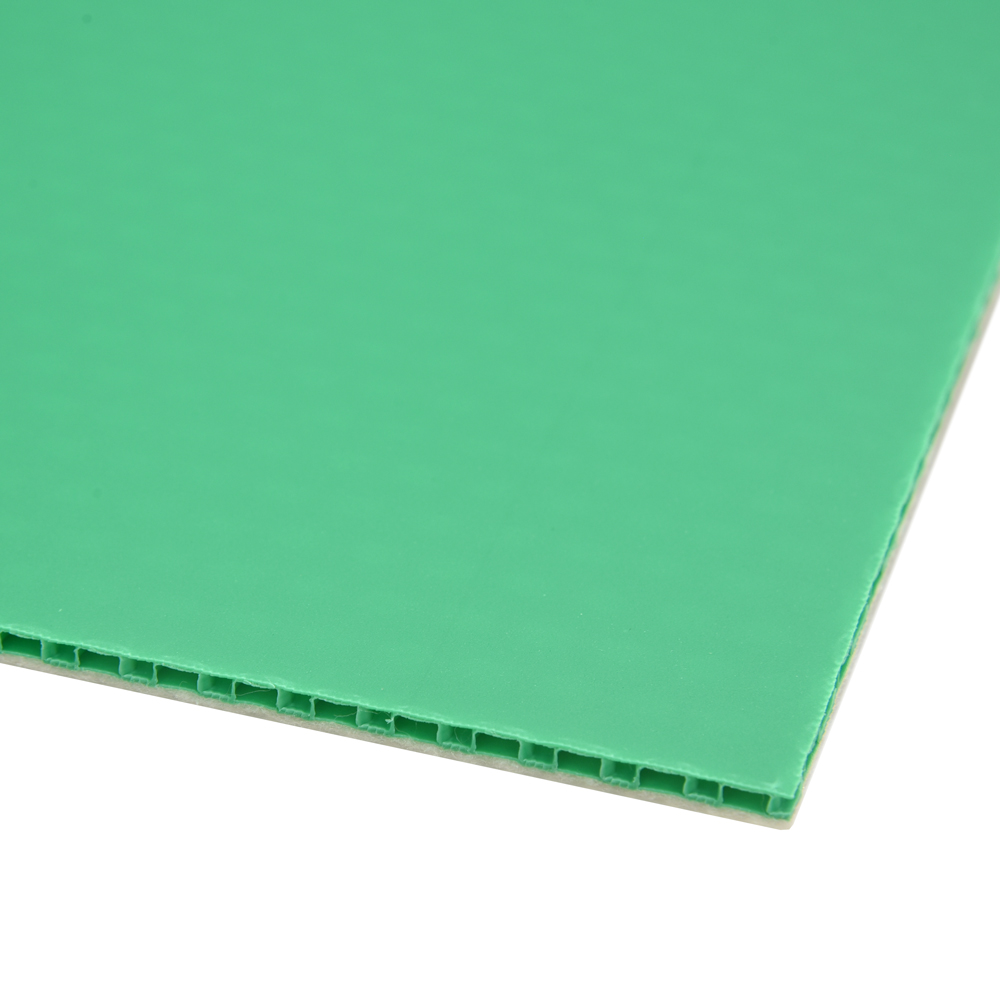
We price honeycomb protection panels per square metre and can quote a full cycle including cutting to size, which removes site labour from your calculation. Send area, programme duration and how many phases, and we will give you the monthly figure rather than just the unit rate.