
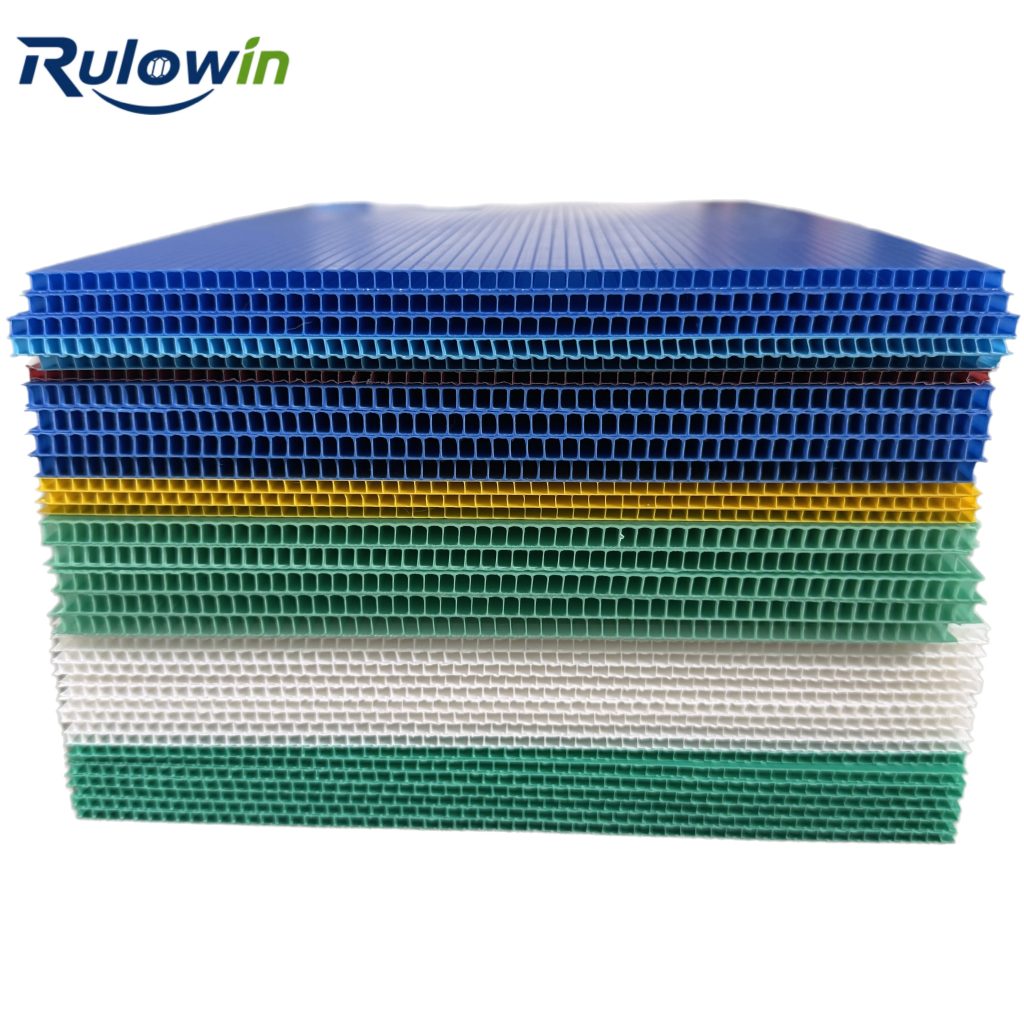
Two people measure the same panel and disagree about whether it is flat. One uses a straightedge, one uses a tape across a bowed panel, and both are measuring something real but different. Until the method is agreed, the specification is meaningless.
What flatness means here
For most packaging applications you are not measuring geometric flatness in the machining sense. You are asking whether the panel contacts where it should – will it sit on its supports without rocking, will it lie against the layer below without a gap. That is a functional question with a much simpler test than a metrology lab would use.
The straightedge and feeler method
Lay the panel on a reasonably flat surface, place a straightedge across it, and probe the largest gap with feeler gauges or a taper gauge. Record position and depth. Cheap, fast, and repeatable between operators, which matters more than absolute precision.
The flat surface it rests on needs checking too, and this is where most shop-floor measurements quietly go wrong – a bowed bench makes every panel look bowed.
Rocking test for boxes and trays
Put the corrugated sheet tray on a flat surface and press each corner in turn. Rocking identifies a twist rather than a bow, and twist is the defect that actually causes stacking problems. It takes seconds and needs no equipment, which is why it is the test most likely to be done consistently.
Specify the state, not just the number
Panel flatness changes with temperature, with how long it has been stacked, and with whether it is loaded. A panel measured straight off a warm pallet differs from one conditioned overnight. State the conditioning in the specification or the numbers will never reconcile between your site and the supplier’s.
How much bow is acceptable
Almost always more than people expect, because – as discussed for panels used as load-spreading caps – what matters is that bearing surfaces contact, not that the middle is perfectly flat. Specifying very tight flatness on packaging is an expensive way to buy no functional benefit.
Record the pattern, not just pass or fail
Whether a bow runs along the length or across it tells you whether it is a material issue, a storage issue or a handling issue. Lengthwise bow in stacked panels usually points at storage; consistent bow in every unit from one batch points at manufacture. Keep three or four sample readings per delivery and trends appear in a month.
When the measurement is the problem
If flatness readings swing wildly between operators, the method is at fault before the panels are. Check that the reference surface is actually flat, that everyone lays the panel the same way up, and that everyone waits the same amount of time after unpacking, because panels relax noticeably in the first hour off a pallet.
Fixing those three removes most of the variation people attribute to the material. Where readings still disagree, have both operators measure the same three panels in front of each other; the disagreement usually resolves itself once the method is identical.
What we can do
We supply corrugated sheet and panels to agreed flatness criteria and will tell you which of your tolerances actually affects function. Tell us what the panel touches in service and we will specify against that rather than against a number that costs money for no gain.