
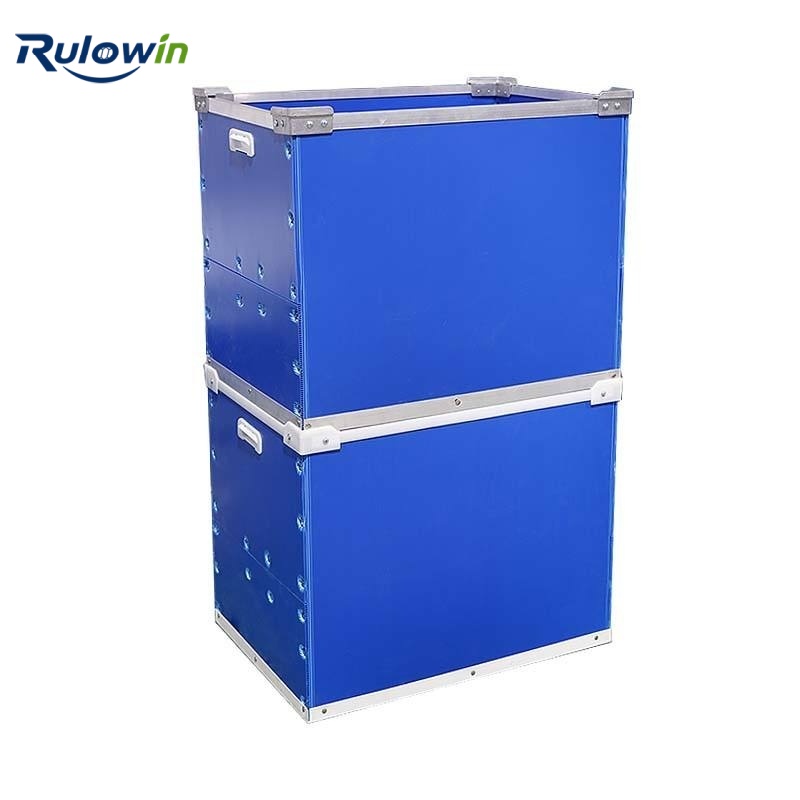
Polypropylene is a forgiving material in a wash process: it tolerates hot water, most alkaline detergents and mechanical handling better than many alternatives. It also has specific limits, and the failure mode when they are exceeded is slow embrittlement rather than visible damage – which means a wash process can be destroying a fleet for months before anyone notices.
Temperature
PP softens progressively rather than melting sharply, and its useful upper limit in service is often quoted around one hundred degrees with deformation under load starting well below that. A wash at eighty degrees is comfortable. A wash at ninety-five with the container under load from stacking is different, because the load and the temperature combine. Where containers are washed stacked, the temperature limit has to be set lower than for containers washed individually.
Alkaline detergents
PP has good resistance to alkalis, and the standard caustic-based detergents used in industrial washing are compatible at normal concentrations and temperatures. It is the concentration and the temperature together that matter, and a process that runs both high is where problems start. Where a wash process is being specified, the detergent supplier’s compatibility statement for PP is the document to ask for.
Solvents, and the ones that attack it
PP is attacked by some hydrocarbons and chlorinated solvents at elevated temperature, and resistant to most at room temperature. Where a wash process uses a solvent stage – for oil removal, for example – the solvent has to be checked against PP specifically. Aromatic and chlorinated solvents are the ones to be careful with, and the check is worth doing before the process is run rather than after the fleet has been through it.
Oxidising agents and long-term embrittlement
Strong oxidising agents, including some bleach-based sanitisers at high concentration, attack PP over time. The effect is cumulative and invisible: the material loses impact strength and becomes brittle, and the container then fails from an impact it would previously have shrugged off. Where a sanitiser stage is used, the concentration matters and the compatibility statement matters more.
Thermal cycling, and what it does
Repeated heating and cooling is itself a load. A container washed at eighty and cooled rapidly, thousands of times, develops stress at points where the geometry restrains movement – corners, ribs, the base-to-wall joint. Where containers are washed frequently, the cooling rate matters as much as the wash temperature, and air cooling rather than a cold rinse is gentler.
What the wash does to everything else on the box
Labels, printed marks, RFID tags and any applied identification all have their own limits, and they are usually lower than the container’s. A wash process specified to what the PP can take will destroy the identification, which is why containers come out of a wash clean and unidentifiable. The identification has to be specified for the wash process, not for the container. The wider durability question is in label wear and read rates.
Mechanical action
A wash tunnel with spray jets applies pressure, and a tunnel with brushes applies abrasion. Both are fine within limits. Where containers are washed nested or stacked, the movement between them is itself abrasive and it produces the polished patches that reduce friction later. Where containers are washed, they should be washed in a way that does not let them rub against each other.
What to put in the specification
Wash temperature, detergent type and concentration, any sanitiser, cycle count per year, and whether containers are washed stacked or individually. Five items, and a container supplier given them can confirm compatibility and expected life. Given none of them, the container is supplied to a general specification and the wash process becomes the thing that determines how long it lasts.