
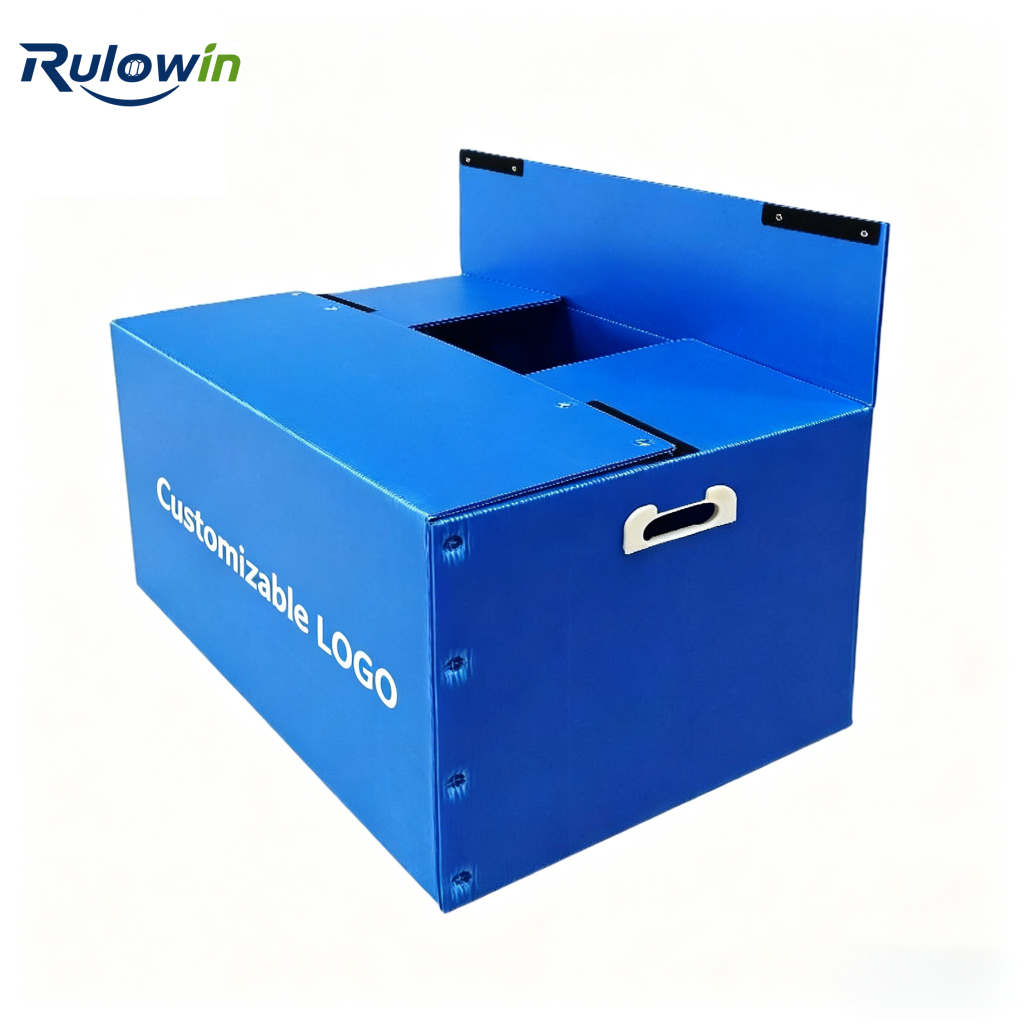
A box is rarely changed on its own. It is changed because the part changed, or the volume changed, or a supplier changed, and by then the original load plan is a document nobody remembers writing. The result is a fleet running on a pattern that nobody has checked against the current box.
What a load plan actually holds
The integer across and deep on each pallet format, the number of layers, the stack height, the wrap specification and the strap positions. Five numbers that determine the freight cost of the lane. When any of them is left over from a previous box size, the invoice is still correct and the load is still wrong.
Downstream things that also move
Changing a footprint moves the rack beam rating, because the unsupported span changes. It moves the order quantity, because the number per pallet changes. It moves the return calculation, because the collapsed or nested height changes. None of these are hard to recalculate and all of them are easy to forget.
The version problem
Fleets accumulate box versions. Two sizes that differ by 15 mm look the same in a yard and pack differently on a deck. If the load plan does not carry the box revision, the wrong pattern gets used against the right box. Stamping the size on the box is the cheap fix, and it also settles the argument about which size a given box actually is.
Running the check
When a box changes, re-draw the pattern, re-count the layers, and re-run the vehicle calculation before the first shipment rather than after the first complaint. It is half a day. It is also the only point at which a change can still be made at no cost.
What a load plan should contain
The pallet format, the number of boxes across and deep, the layer count, the overall stack height, the wrap specification and the strap positions. Six items on one sheet. Where a plan has more than that, it is probably a procedure document rather than a plan, and the extra pages are why nobody reads it.
Put the box revision and the date on the sheet, and reissue it whenever either changes. A plan without a revision is a plan that will be used against the wrong box, and the error will not show up until a layer does not fit.
What to recalculate
The integers on each pallet format, the layer count, the overall stack height, and the strap positions. Four things, and all four change with a footprint change, because the pattern is built on the footprint rather than alongside it.
Then check the rack beam rating, which depends on the unsupported span. Where the footprint changed, the span changed, and the rating that was valid for the old size may not hold for the new one. It is the item most often missed.
Why it gets missed
Because a box change is usually handled as a purchase, and a load plan lives with logistics. Nobody’s process connects the two, so the plan is quietly invalidated and the error surfaces as a pallet that does not fit. Adding the check to the change process costs nothing.
What we can do
We build PP corrugated turnover boxes and we keep the drawing for every size we have made, so a revision can be checked against the original rather than guessed at. Tell us what changed and we will tell you what it does to the pattern. The patterns themselves are covered in patterning a mixed part load.