
A floor and stair snag walk that relies on walking around and looking produces an incomplete list and an argument. A short written checklist produces a complete one and a programme to fix it. The difference is not effort, it is having the list in advance.
What goes on it
By area, and by element: floor surface, perimeter line, thresholds, junctions between finishes, stair treads, stair nosings, stringers, skirting and trims, and any transition or ramp. Under each, the specific things that go wrong – scratches, chips, dents, stains, adhesive residue, colour difference, loose edges. A checklist is not a formality, it is the difference between finding six items and finding twenty.
Do it twice
Once before the client walkthrough, so the obvious items are fixed before they are seen, and once with the client. The first pass is a quality check; the second is a record. Doing only the second means the client finds everything, which is worse for everyone even where it is all fixable.
Photograph and locate every item
An item without a location is not actionable. Photograph it, note the room and the position, and give it a severity. A list of twelve located, photographed items with dates is a programme; a list of twelve descriptions is a disagreement.
Separate damage from residue
Half of what gets written down as damage is dirt, adhesive residue or a moisture bloom that will clean off or disappear. Cleaning first and snagging second removes a large share of the list, and it stops the client’s list being inflated by things that were never defects.
Agree what is fixable in place
Some items can be repaired locally, some need a whole element redone, and some are genuinely unfixable without a replacement. Saying which, honestly, at the point of snagging is better than promising to fix everything and discovering two weeks later that a stair tread needs replacing and has a six-week lead time.
Snagging the stair properly
A stair snag list goes tread by tread and nosing by nosing, not flight by flight. Number the treads from the bottom, and record each item against a tread number. A flight with eleven treads produces eleven lines on the list, and that level of detail is what makes the list actionable rather than arguable.
Severity, and what gets fixed first
Three levels is enough: cosmetic, repairable in place, and needs replacement. The third category drives the programme, because it has a lead time – a stair tread or a batch of matching tile is not a next-day item. Getting those identified in the first pass, rather than in the client’s pass, is what keeps a snag list from becoming a delay.
Who signs it off
Both sides, on the day. An unsigned list is a note-to-self; a signed one is a programme. It does not need to be formal – a shared document with names and dates against each item is enough – but it does need to exist before the client’s own walkthrough rather than after it.
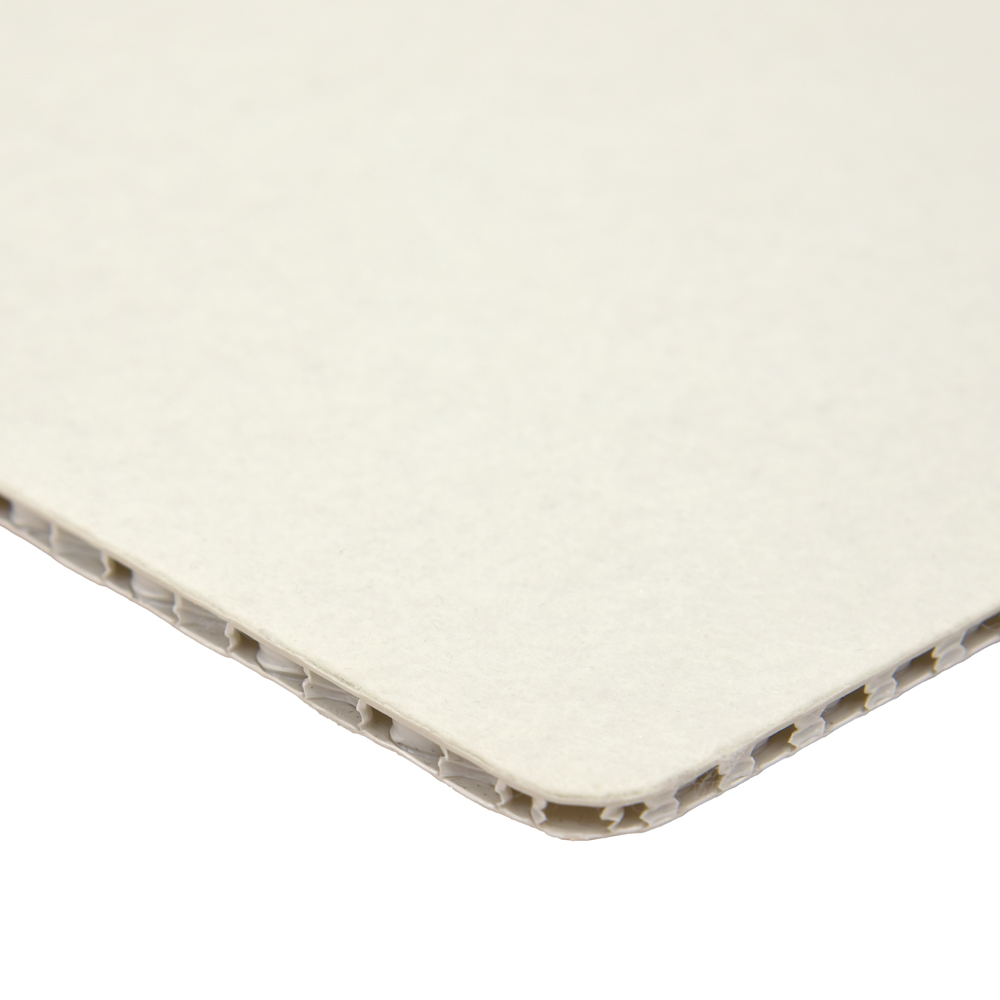
Where the cover was a reusable PP honeycomb panel, lift it and look under the joints and the perimeter line. Where it was corrugated PP sheet, look for tape residue and for print-through from the face instead.
What we can do
We supply protection, but the useful thing we can offer at this stage is a list of what to look for by floor type. Tell us what the finishes are and we will point at the elements most likely to be snagged. Removal timing is covered in the protection removal sequence at handover.