
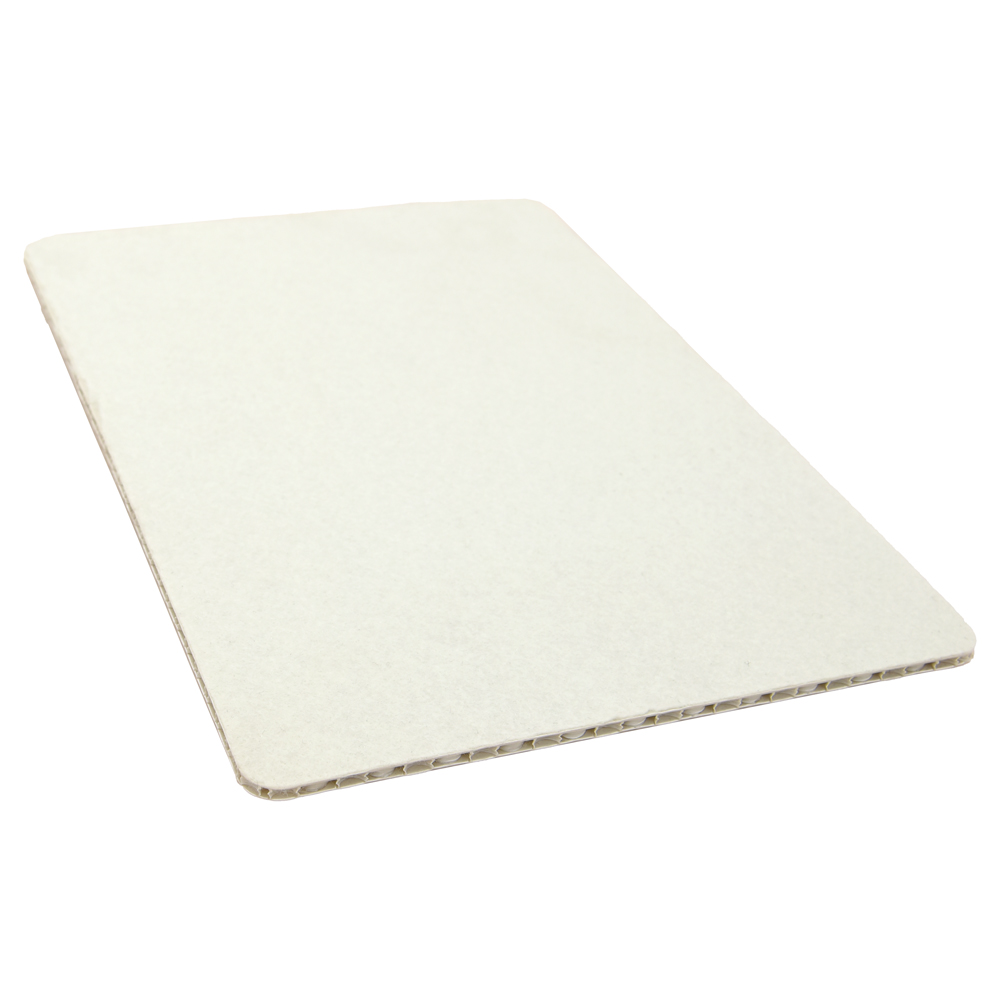
A floor that has been covered for months is not clean when the cover comes up. There is dust that worked through the joints, foot marks, sometimes a moisture or colour difference, and often a faint outline along the panel joints. Cleaning is a necessary step, and the right method depends entirely on what the floor is.
What is actually on the floor
Mostly fine dust, which is abrasive and should be vacuumed rather than swept dry – sweeping pushes it around and grinds it in. Then foot marks and a general film, which respond to a damp clean with the floor manufacturer’s recommended product. And sometimes a bloom or outline, which is moisture-related and usually evens out on its own within a day or two.
Method by finish
Timber wants a barely damp microfibre and the floor supplier’s cleaner; excess water is the enemy. Stone wants a pH-neutral stone cleaner and nothing acidic. Vinyl wants a neutral cleaner and no solvents. Resin wants whatever the installer specifies and no aggressive scrubbing. Getting this wrong is worse than not cleaning: the wrong product on stone or on a lacquered floor causes permanent damage.
Do not clean the problem away
If there is real damage – a scratch, a chip, a stain – cleaning will not fix it and trying will waste time and possibly make it worse. Identify it, photograph it and deal with it as a defect. A floor that has been polished hard in one spot looks worse than one with an honest mark on it.
Timing
Clean, then wait. A floor that has been covered often looks better after 24 hours of air and light than it does immediately. Building a day between removal and the client walkthrough costs nothing and removes a whole category of unnecessary comment.
Who does it
Site labour with the wrong product is worse than nobody. Where the floor is client-facing and expensive, a specialist clean by the flooring contractor or a cleaning contractor is worth specifying, and it should be in the programme rather than being discovered as necessary at the end.
The joint lines that stay visible
A faint line along the panel joints is common after long coverage, and it is usually a residue film rather than damage. It responds to a damp clean and a day of air. If it does not, look at whether the floor has a moisture or light difference instead – in which case more cleaning will not help and time will.
Adhesive residue, and what removes it
A residue that wipes off with a suitable solvent is fine; one that has bonded to the finish is not, and aggressive removal makes it worse. Work up from the mildest option – warm water, then a pH-neutral cleaner, then the flooring supplier’s recommended remover – and test each in a hidden spot. Anything stronger than that should be the flooring contractor’s call, not the site’s.
When to call the flooring contractor
Any mark that does not respond to a mild clean, and any damage at all on stone, timber or resin, goes to whoever supplied the floor before anyone tries anything else. Their cleaner knows what their finish can take; site labour does not. The cost of the call is trivial against the cost of the wrong product.
What we can do
We supply protection panels that leave less behind, and we will say what we know about cleaning specific finishes – and what we do not. For anything doubtful, ask the floor supplier before cleaning rather than after. Surface residue behaviour is covered in tape, adhesive and staining on finished floors.