
Moving a heavy item up a stair combines the two worst load cases on a building site: a concentrated load and an incline. The result is that a stair tread sees a point load at its front edge, repeatedly, while whoever is carrying is off balance. It is how nosings get broken and how people get hurt.
Why stairs concentrate the load
On a flat floor a heavy object rests on its full base. On a stair, whoever is carrying tilts it to clear the treads, so the load arrives on one corner, and that corner lands on the front edge of a tread. The tread edge is the weakest part of the stair and the pressure is far higher than the same object standing on a landing.
What the cover has to do
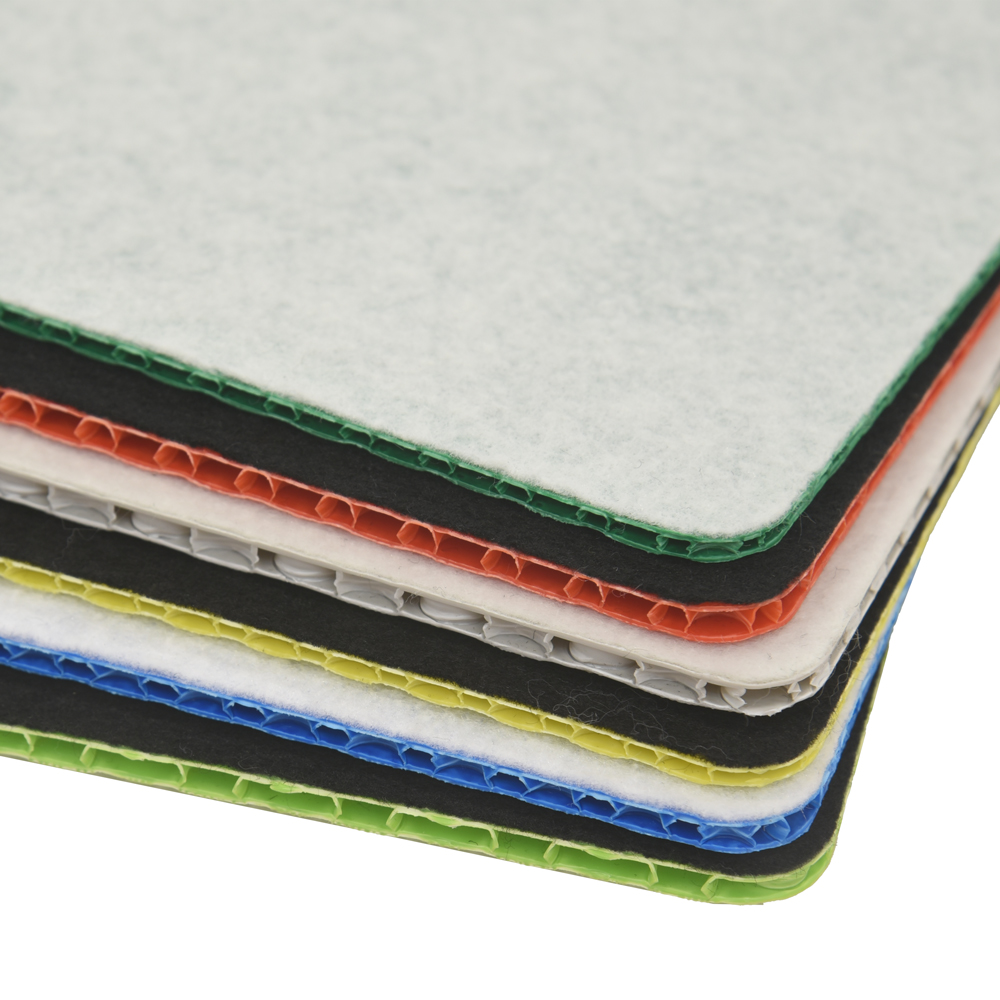
Two things. Spread that corner load across the tread rather than letting it arrive at a point – which means a rigid panel, because anything flexible transmits it straight through. And cover the nosing, because the nosing is where the corner lands. A flat cover on the tread surface misses the part that actually takes the hit.
Plan the route first
Most stair damage during a move happens because the route was not thought through: a corner that does not fit, a turn that needs the item set down, a handrail that is in the way. Walking the route with the item’s dimensions before the move, and deciding where it gets set down if it needs resting, removes most of the risk and costs ten minutes.
Set it down on something
Things get rested on stairs. It is unavoidable on a long flight. Where the item will be set down needs a load-spreading panel of its own, placed deliberately, rather than the item being put down on whichever tread happens to be convenient – which will be the one with the best grip and the worst cover.
When to use a different route
A window, a hoist, a lift, a scaffolding lift – on a lot of jobs one of these is available and is faster and safer than the stair. It is worth asking before carrying a 200 kg item up three flights. The honest answer is sometimes that the stair is the only option, in which case the cover matters more, but the question should be asked.
Handrails, and what gets broken on the way up
Moving anything large up a stair usually breaks the handrail bracket or the wall at the turn, because that is where the item is levered round. Protecting the wall and the stringer at the turn is as important as protecting the treads, and it is the part that gets forgotten because everyone is watching their feet.
Measuring the item against the flight
The question is not whether the item fits the stair width, it is whether it fits round the turn – and on most flights it does not, which is why things get levered and why walls and handrails get damaged. Measure diagonally at the turn and compare with the item’s longest dimension before anyone lifts anything.
What to tell the client
Where an item genuinely will not go up safely, say so before the attempt rather than after the damage. Most clients would rather pay for an alternative route or a hoist than for a stair repair, and the conversation is far easier before the tread is chipped than after.
What we can do
We supply rigid honeycomb tread covers with a wrapped nosing for moves, and separately cut load-spreading panels for rest points. Tell us what is being moved, the flight dimensions and whether there is an alternative route, and we will specify accordingly. Stair load behaviour is covered in why stairs need different protection from flat floors.