
These two get confused more than they should, partly because both are plastic panels on a wall. One is a permanent building element with hygiene certification; the other is a temporary measure during works. Buying one when you need the other is a surprisingly common and expensive mistake.
What permanent cladding does
Hygienic wall cladding is sealed, washable, impact resistant and intended to last for years. It is installed with sealed joints, coved junctions and specialist trims, and it forms part of the building fabric. It needs a hygiene-trained installer and it is specified against the food safety system in place.
What temporary protection does
It exists to absorb damage during a defined period and then come off. It is reversible, it is not usually sealed to the wall, and it is not treated as part of the hygiene envelope. Its success measure is whether the wall underneath survived, not how it looks after six months.
Why the distinction gets blurred
A factory refurbishing a production area often needs some cladding permanently replaced and some walls temporarily protected. With both in the same package it becomes easy to buy one product for both purposes – usually the cheaper one – and then either discover it fails hygiene requirements or that expensive cladding has been thrown away at strip-out.
Ask what happens at the end
That single question resolves it. If the material stays on the wall after practical completion, it must meet whatever standard the area operates to. If it comes off, it is protection. Everything else follows from that, including how the joints are detailed and how much installation labour is justified.
Interfaces between the two
Where new cladding meets retained protection, the junction needs thinking about. A protection panel sealed against cladding can trap moisture or product at the interface – exactly what neither system wants. Detail a clean break, and check it periodically where the area is in production.
The cost argument
Temporary protection can often be reused several times, which changes the comparison against buying permanent material for areas scheduled to be refurbished again in two years. Where the wall will be disturbed anyway, protection plus a planned replacement cycle can beat permanent cladding on both cost and downtime.
Drainage and coving at the base
The floor-wall junction is where both systems have their problems and where they meet each other. Hygienic cladding terminates in a coved detail sealed to the floor; temporary protection rarely does, and the gap collects washdown water and product. Where protection must stay in place through production, that junction needs a deliberate detail rather than a cut edge meeting the floor.
Expect drainage to be checked during routine hygiene audits. A trapped arrangement at the base of protection is exactly the kind of finding that generates corrective actions which then cost programme time rather than material.
The particular case of chilled areas
Chilled and frozen areas add condensation to everything already described, and water runs where it would not at ambient temperature. Protection here needs drainage considered at the outset rather than discovered, and demand more frequent inspection – the panel movement caused by temperature cycling loosens fixings quickly. Board behaviour in controlled environments is covered in cleanroom-compatible PP board.
What we can do
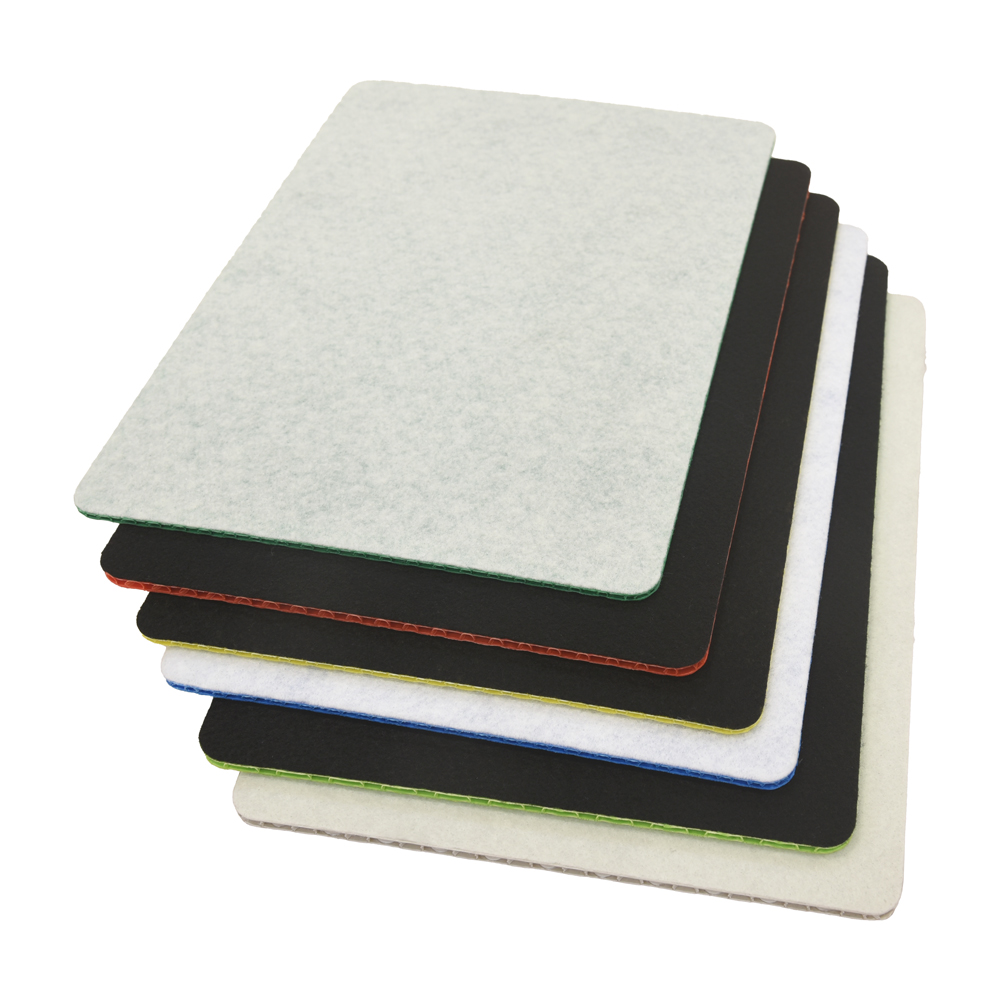
We supply PP honeycomb panels as temporary protection and will tell you clearly when the requirement is permanent hygienic cladding, which is not what we sell. Tell us what happens to the panel at the end of the works and we will quote accordingly.