
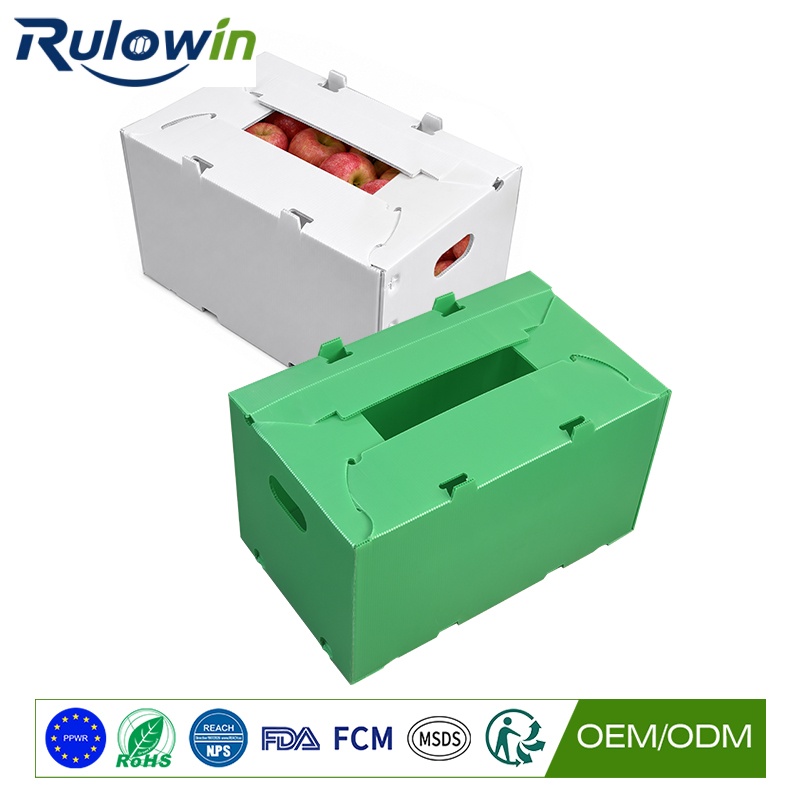
Charging a deposit on returnable crates is the standard answer to loss, and in plenty of operations it does nothing at all. The difference is not the amount – it is whether three specific conditions hold simultaneously.
Condition one: the deposit has to be visible
A deposit buried in a line item is not a deposit; it is a price. It needs to be itemised separately, on something the person responsible sees, ideally before the unit leaves rather than on an invoice weeks later.
This is why deposit schemes inside the same company often fail: nobody outside procurement ever sees the charge, so nobody changes behaviour.
Condition two: somebody owns answering for it
The charge has to land on a budget that a named person defends. If it sits in a general overhead line, the incentive is diluted to nothing. This mirrors the ownership problem that makes most reusable loop procedures fail, discussed in the one page loop procedure.
Condition three: the reconciliation must be prompt and unmistakable
A monthly statement showing units outstanding changes behaviour. An annual true-up is archaeology; nobody can act on it, and the value of the signal is gone. The shorter the reconciliation cycle, the stronger the effect, and quarterly is about the slowest that still does something.
Sizing the deposit
The deposit needs to exceed the replacement cost by enough to be annoying, and to be small enough that it does not distort commercial relationships. Where deposits get set too high, customers stop participating rather than returning units. In our experience somewhere around one and a half to two times replacement cost lands best, though every relationship differs.
Alternatives that work better in some channels
Rental per trip moves the whole problem to whoever runs the pool, and it works well where volumes are predictable. Simple invoicing with an empties balance shown every month works where the relationship is long-standing. Deposits are strongest where units are valuable and the counterparty is numerous and changing.
Where deposits cause damage
High deposits encourage people to return things that should have been scrapped, or to hoard empties rather than use them, both of which degrade service. They also create arguments about who caused damage, which consumes goodwill disproportionately. Where the loss problem is small, we would usually rather set a tolerance and move on, exactly as argued in finding where returnables disappear.
What to do with unclaimed balances
Decide in advance what happens to a deposit balance that is never reconciled, and write it into the terms. Options are forfeiture after a defined period, conversion to a purchase of replacement units, or write-off. Leaving it undefined produces the worst outcome – an accrued liability nobody can close and a customer relationship that sours over a small sum.
The period matters. Too short and it feels punitive; too long and it never closes. Most schemes settle somewhere between one and three reconciliation cycles, and stating it up front removes the argument entirely.
Test it on one customer first
Run a deposit on a single willing account before rolling it out. The first version always needs adjusting – usually the amount or the reconciliation frequency – and finding that out with one counterparty is far cheaper than finding it out with forty.
What we can do
We supply returnable crates suitable for deposit schemes, including identification that survives the loop. Tell us the unit value, who holds the units between trips and how often you can reconcile, and we will tell you whether a deposit is worth running at all.