
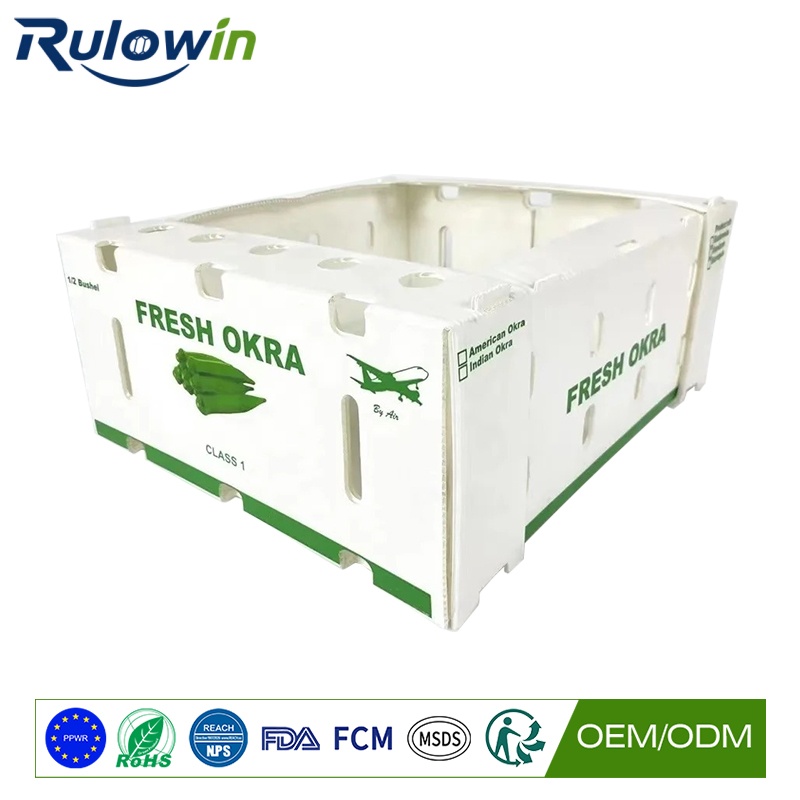
If your customer, your certification body or your own quality system wants to audit a packaging supplier, the request usually arrives with short notice and lands on someone who has never done it. Asking for the standard set early – before you need it – is cheap, and the response tells you a great deal about the supplier.
The standard set
Business licence and scope. Quality management certification, if they hold it, with the certificate number and its scope – a certificate whose scope does not cover the product you are buying is worth reading carefully.
Material documentation: resin grade and origin, and any recycled content statement with its basis. Food-contact declaration where the application needs one, naming the regulation and the conditions. And, where claimed, test reports for specific properties – with the test method stated, because a result without a method cannot be assessed.
Then process documentation: how they control dimensions, what they inspect, and how they handle a non-conformance.
Which exist as standard
This is the diagnostic. A supplier who produces the set in a day, from files, runs a documented operation. One who needs two weeks and several chases probably does not – even if what eventually arrives is fine.
Ask for the set at the enquiry stage, framed normally: we maintain a supplier file. It is not an aggressive request and the response time is the useful information.
What to check when it arrives
Dates – an expired certificate is not a certificate. Scope, as above. And whether the entity named is the entity you are buying from. Trading companies supplying a manufacturer’s documents is common and not necessarily a problem, but you should know whose factory the packaging comes from.
Also worth checking: whether the test report is for the product you are buying or a similar one. “Similar product” reports are frequently offered and frequently accepted, and they support very little.
Food contact specifically
For produce crates the declaration needs to name the regulation and any conditions – contact type, temperature, duration. A general statement that material is food-grade is not a declaration, and several customers will reject it.
Ask also about what happens to the declaration when the resin supply changes. It should be reissued, and a supplier who says it does not need to be is telling you something.
The questions worth asking before buying produce crates are set out in food contact questions before buying PP crates, and what can be put in writing about recycled content in recycled content claims you can put in writing.
What to do if something is missing
Ask whether it exists at all. Sometimes documentation genuinely does not exist for a legitimate reason and can be produced – a test can be commissioned. Sometimes it does not exist because the underlying claim cannot be supported, and that is the answer you needed.
How to read a test report
Three things: what was tested, by what method, and by whom. A result for “impact strength” with no method cannot be compared with anything, and a report from the supplier’s own laboratory is fine as long as it says so.
Check whether the sample tested is the product you are buying. Reports for a similar product are commonly supplied and commonly accepted, and they support very little.
How often to refresh
Annually for anything you rely on, and immediately after any change to resin or process. Certificates expire, specifications move, and a file that has not been touched in three years is a file that will not survive an audit.
Put the refresh in your supplier review calendar rather than waiting for a customer to ask.
What we can do
We make PP crates for fruit and vegetables and hold the standard set as files, ready to send. Ask for it before you order – we would rather you see it early than discover a gap during your customer’s audit.