
There are two ways to buy packaging at volume and they are not variations of the same thing. Wholesale pricing means discounted unit prices on whatever you order. Contract pricing means an agreed specification, volume and price over a period, with obligations on both sides.
Wholesale: flexible, and exposed
You get a better unit price for larger orders and no commitment beyond each purchase. If your volume is uncertain or seasonal, that flexibility is worth a lot – you are not obliged to take stock you cannot use.
What you give up is certainty. Prices can move with resin costs, lead times can lengthen when the factory is busy, and you are competing for production slots with everyone else. In a tight market, the flexible buyer is the one who waits.
Contract: committed, and protected
An agreed price for an agreed period, usually with a volume commitment and a call-off schedule. You get price stability and priority when capacity is tight – which in a busy season is the more valuable half.
What you give up is flexibility. Commit to a volume you cannot take and you will be negotiating a shortfall, usually at an inconvenient moment. Contract pricing rewards accurate forecasting and punishes optimistic forecasting.
Which suits which situation
Predictable, steady consumption with a stable specification: contract. The forecast risk is low and the benefits are real.
Seasonal, project-based or uncertain volume: wholesale. The commitment would be speculative.
Large, stable, and strategically important – say a returnable fleet that has to be replenished to a fixed specification for years: contract, and include the end-of-life provisions in it.
What to put in a contract
Price and validity, volume commitment and what happens on a shortfall, lead time and when it starts, specification with tolerances, and what happens if the supplier wants to change anything. That last one matters: a unilateral specification change on a contract is a common and frustrating surprise.
Also worth including: how long the item will remain available, and notice period for discontinuation. For a fleet you will be replenishing for years, that clause is worth more than a point of price.
What a volume commitment is really worth
More than buyers expect, and less than suppliers claim. Its real value is not the price – it is the production slot. In a busy season the difference between a contract customer and a spot buyer is a fortnight to a month, and that is frequently worth more than the price difference.
Price the commitment honestly: what would a three-week delay cost you, against what the commitment costs if your forecast is wrong by a fifth. That comparison usually decides it.
How to make the commitment safe
Negotiate the shortfall clause before you sign, not after you miss. A reasonable arrangement allows a tolerance – commonly a percentage above and below the committed volume – with the price adjusting only outside it.
Also worth asking for: a review point partway through, so a forecast that has clearly gone wrong can be corrected by agreement rather than by breach.
What we can do
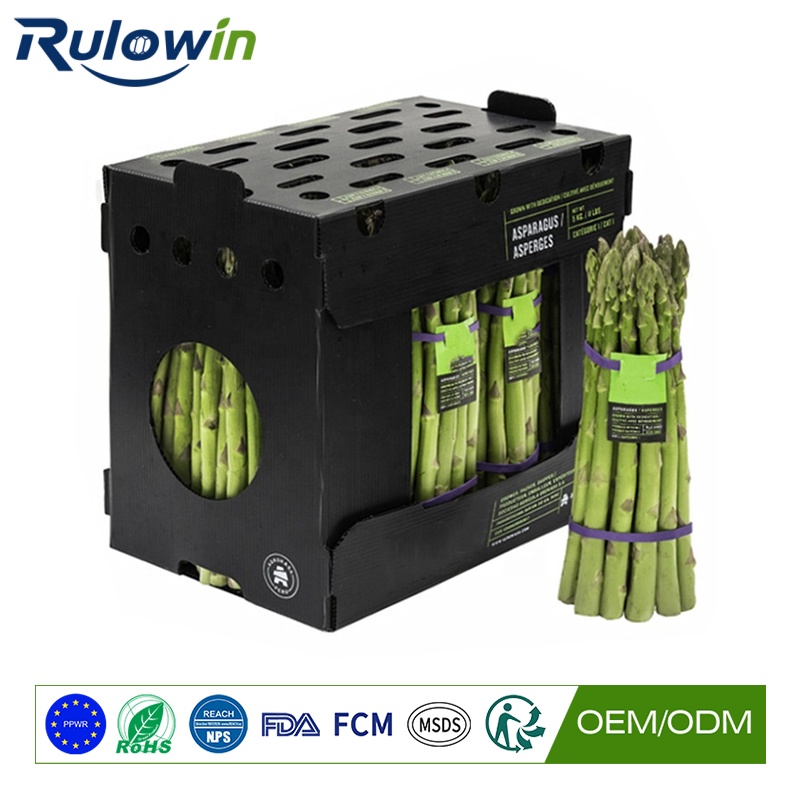
We make PP crates for fruit and vegetables on both bases and will tell you which suits your consumption pattern. Tell us your monthly usage and how predictable it is, and we will propose whichever arrangement costs you less – including saying so when wholesale is the better answer.