
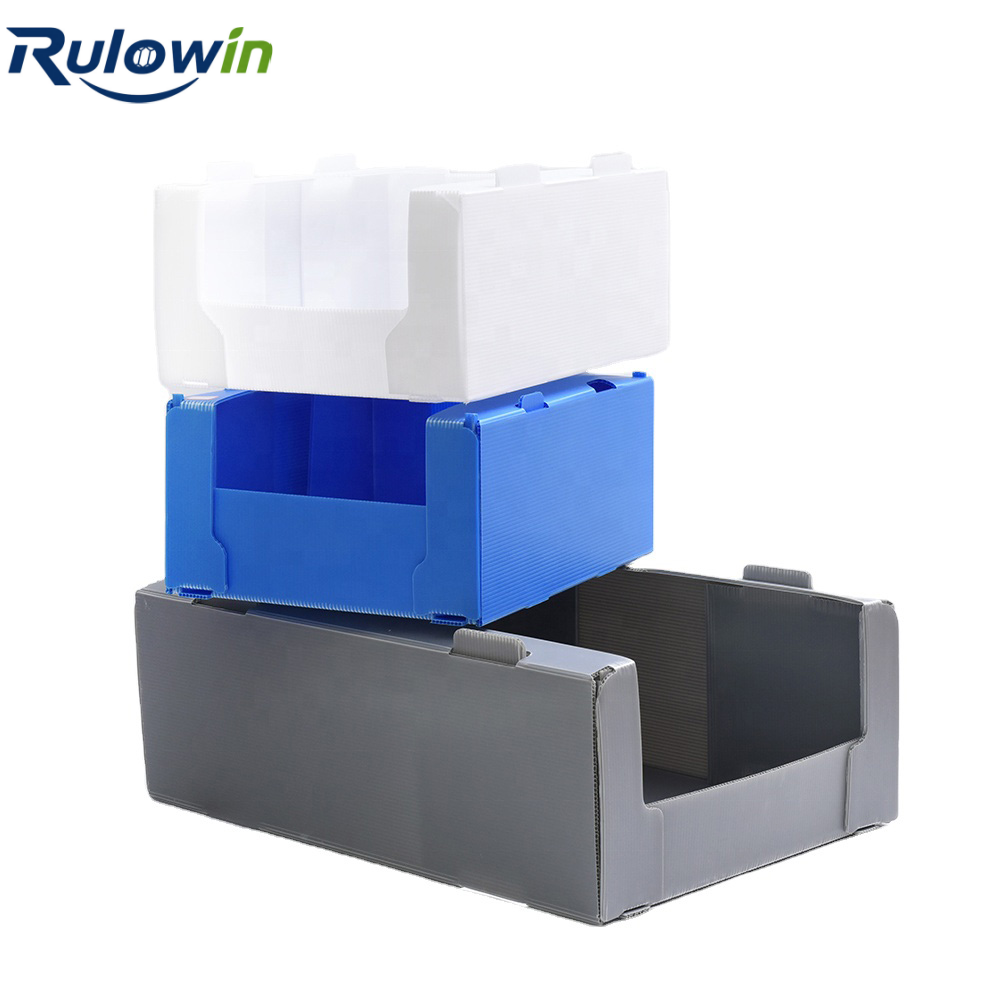
Picking boxes were designed for store replenishment: pick a full case, put it on a pallet, consolidate and ship. E-commerce changed the pattern – many small orders, high pick rates, individual items, and a pack station at the end of it. The box requirements moved with it.
What e-commerce picking does differently
- Order sizes are small and variable. A box sized for a case is mostly empty for a two-item order.
- Pick rates are much higher. More picks per hour means more handling per box, and weight and grip matter more.
- The box becomes the shipping pack in a lot of operations, rather than a container that is later unloaded into a carton.
- Order profiles change constantly. A box that matched last quarter’s mix may not match this quarter’s.
- Variability is the norm. Slow movers, odd shapes, and items that do not fit the standard module.
What follows for the box
Smaller than you would expect. With small orders, the useful box is often considerably smaller than a store-replenishment tote. Oversized boxes waste shelf space and make the picker reach further for less.
Light and easy to carry. At high pick rates, a box that is awkward to lift costs time on every pick. Rounded, generously sized grips positioned at the balance point matter more here than anywhere else.
Two or three sizes rather than one. A single size that suits the average order is a compromise that is wrong for most of them. Two or three sizes with a consistent footprint and stacking geometry usually works better and costs less overall.
Very visible contents. With high pick rates, a box with high walls and poor visibility slows the picker down. A low front wall or a cut-away earns its place.
Where e-commerce operations go wrong
Buying for the biggest order. Sizing the box on the largest item means every other order is picked from an oversized box. Better to size for the bulk of the orders and handle the outliers separately.
Ignoring the pack station. If the picked box becomes the shipping pack, the box has to work at the bench as well as on the shelf – which means it may need to be a specific dimension, may need to stack for labelling, and may need to be presentable.
Underestimating return of empties. Where boxes come back from a store or a returns centre, the return leg matters and gets forgotten at specification stage.
Not revisiting the choice. Order profiles drift. A box specified two years ago may no longer match the mix, and nobody notices because the box still works adequately.
What to measure before choosing
- Order size distribution – not the average, the distribution. That determines how many sizes you need and where the cut-offs go.
- Picks per hour and items per order, which tell you how much handling the box sees.
- Weight range, for handling limits and for stacking.
- Whether the box ships or is decanted, which changes the requirement completely.
- Return route, if there is one.
An hour with the order data usually changes the specification more than any product comparison.
What we can do
We make corrugated PP picking boxes in standard modules and custom sizes, with reinforced grips sized for gloved hands. Send us the order size distribution rather than the largest item and we will tell you how many sizes you actually need – often fewer than expected, and smaller.