
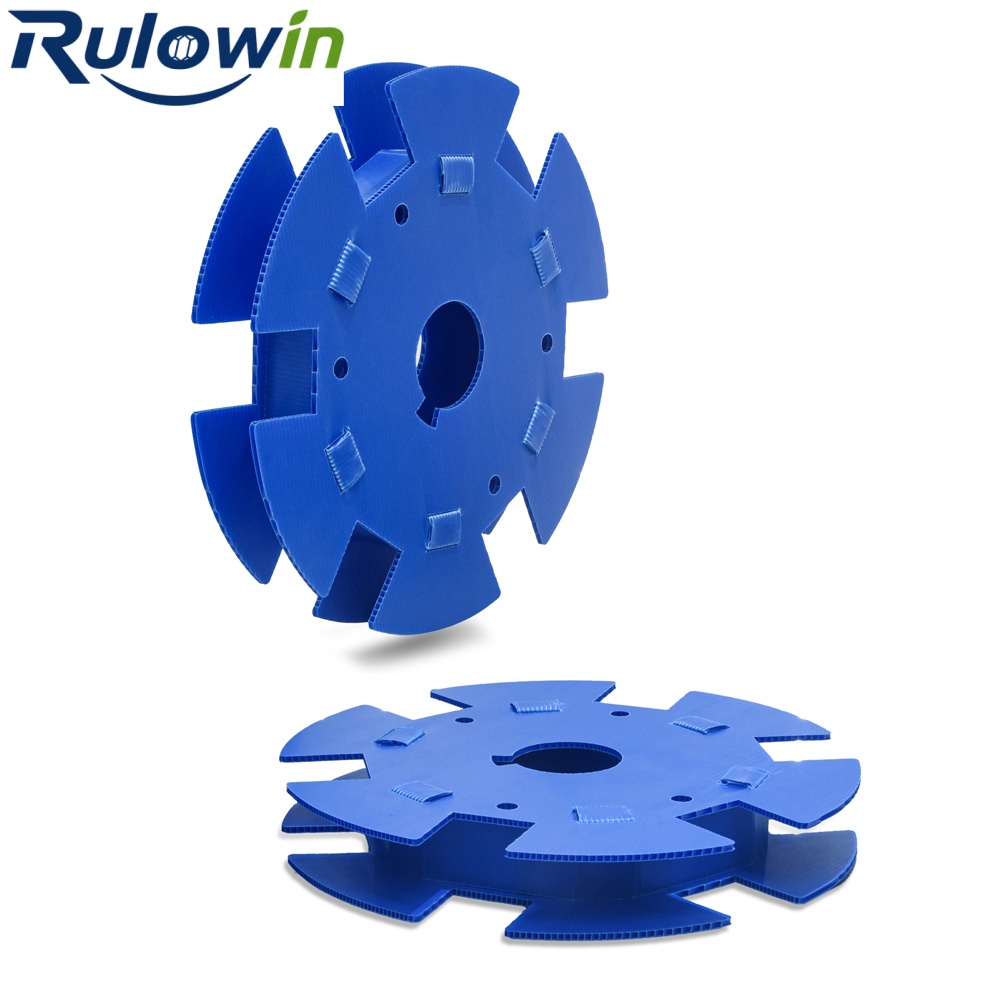
Standardisation is almost always proposed for good reasons and it is usually partly right. Fewer sizes mean lower unit costs, simpler stock, easier returns and less chance of the wrong spool being used. It also means every product gets a spool that fits none of them perfectly.
What standardisation genuinely saves
- Unit cost through volume on one specification — the largest item in our cost drivers article
- Stock complexity and the working capital tied up in several lines
- Administration — one specification, one supplier conversation, one inspection routine
- Errors. Mixed fleets produce wrong-spool mistakes, which is why colour coding exists at all
- Return logistics. A single standard makes a reverse loop far easier, which is the point made in our reverse loop article
What it costs
- Compromise on core diameter. The usual casualty. Different products have different minimum bend radii and one core cannot be optimal for all — though it can be adequate for all.
- Compromise on capacity. A spool sized for the largest product is oversized for the smallest, which wastes freight and space.
- Compromise on strength. Specifying for the heaviest duty over-builds the light applications.
- Reduced flexibility. One standard means one point of failure and less ability to optimise later.
When standardisation is clearly right
- Products with similar requirements — similar bend radius, similar weight, similar process
- High changeover operations where consistency saves more than optimisation would — the argument from our changeover article
- Where a return loop exists or is planned, because mixed fleets make returns much harder
- Low volumes per line, where the cost of separate specifications cannot be justified
When it is a mistake
- Products with genuinely different bend radius requirements — you cannot compromise on a number that protects the product
- Where one product is sensitive and others are not — the sensitive one will drive the specification anyway, so you may as well let it
- Where weight differences are extreme and the heavy application dominates the cost of everything
- Where different customers have incompatible requirements — standardising internally does not help if the constraint is external
The middle option
Usually the right answer. Standardise where it does not hurt and differentiate where it does:
- One bore and machine interface across everything — this is where standardisation pays most and costs least
- Two flange diameters rather than one or five
- Shared marking and identification across all sizes
- Common construction and material even where dimensions differ
That first one is the key insight. The machine interface is what causes problems when it varies, and standardising it costs almost nothing because it is usually dictated by the machine anyway.
How to decide
List your products with their bend radius requirement, weight per spool, and process conditions. Group them. If the groups are obvious, that is your answer. If they are not, standardise on the largest common requirement and accept the compromise — but know what you are accepting.
Worth noting that the bend radius requirement is the one thing on that list you should not compromise, because the consequence of getting it wrong is damaged product rather than a slightly inefficient package.
What we see
Most operations run more spool sizes than they need, usually because each was specified for a product at a different time by a different person. Consolidating from six to two is usually achievable and usually worthwhile. Consolidating from two to one is often a step too far.
What we can do
Look at what you currently use and tell you where our hollow board spools could consolidate, and where we think consolidating would cause a problem. We will tell you when the honest answer is to keep two sizes — it costs us nothing to say it and it is usually right.