
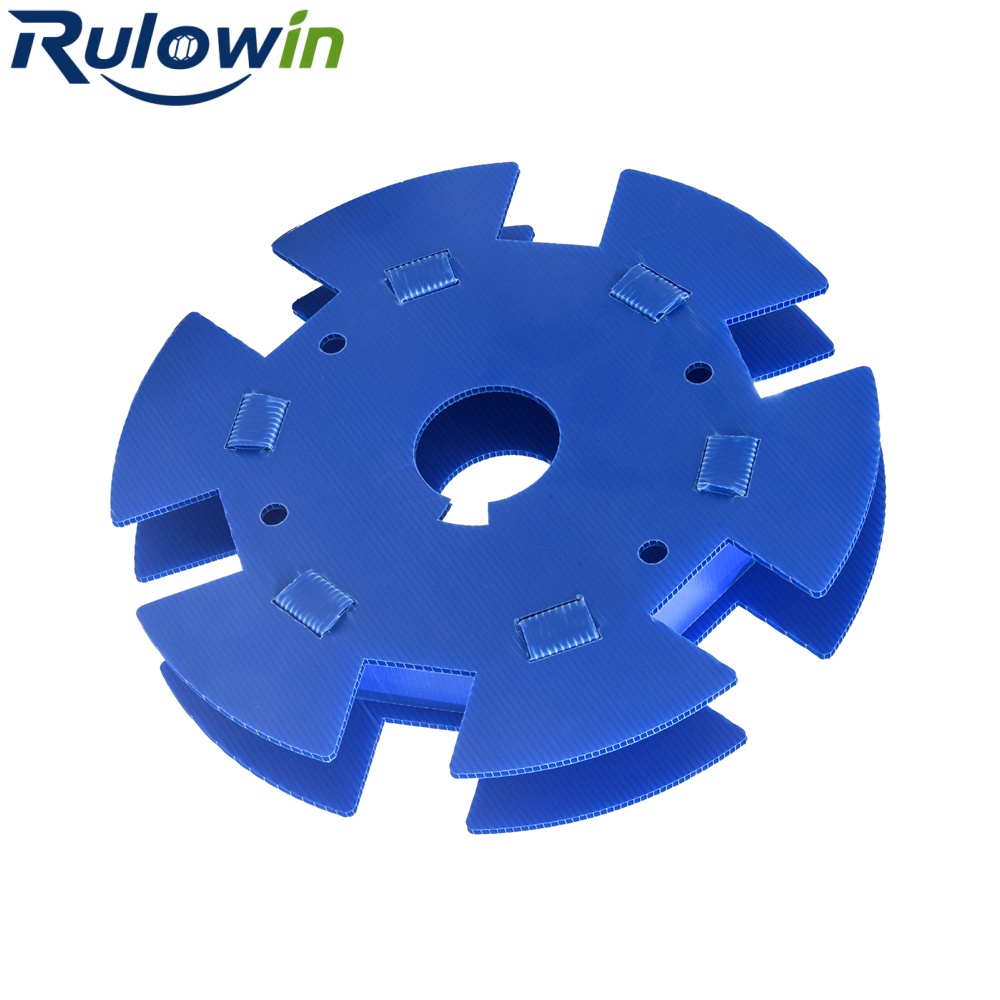
Most sites have a written description of what to reject a spool for. Very few have pictures. The written version gets interpreted differently by everybody, and the photographic version does not.
What it is
A reference set — physical or photographic — of the failure modes you actually encounter, each labelled with what it is and what to do about it. Not a theoretical catalogue. Only failures you have seen.
Why it works when procedures do not
Three reasons:
- It removes judgement. “Is this crack bad?” becomes “does it look like the one marked retire.”
- It is fast to consult. Somebody at a machine will look at a photograph and will not read a paragraph.
- It survives staff turnover. The knowledge is in the folder rather than in someone’s head.
What to include
Only what you have actually seen. A realistic starting set:
- Radial crack from the rim — retire
- Cosmetic scuffing — acceptable, showing what “acceptable” looks like
- Rim deformation from impact — retire
- Bore ovality or polishing — retire, with a note on how it feels
- Joint damage on take-apart designs
- UV chalking, early and advanced — showing where the line is
- Core damage — crush, split, deformation
The “acceptable” entries are as important as the reject ones. Nobody ever documents what is fine, so everything borderline gets rejected or everything borderline gets used.
How to build it
An afternoon, realistically:
- Collect a dozen failed spools from wherever they are currently piling up
- Sort them into groups by what actually went wrong
- Photograph each group — wide shot, close shot with scale, and a shot of the identifying marking. The method from our photography article.
- Write one line per group: what it is, what causes it, what to do
- Put it where it is used — printed at the inspection point, not in a folder on a shelf
If you can keep one physical example of each, do. People read physical objects faster than photographs.
What to do with the findings
Sorting a pile of failures is itself informative. The distribution usually reveals something:
- Mostly rim damage — handling, and worth looking at the inspection and handling practices
- Mostly bore wear — shaft condition or fit
- Mostly joint failures — a design question for your supplier
- Mostly cosmetic — you may be rejecting too much, which is worth knowing
That last one is a real finding we have seen more than once. A reject rate that is mostly cosmetic damage is expensive and avoidable.
Keeping it current
Add to it when something new appears. Review it annually — not to update it thoroughly, but to check that the failures in it are still the ones happening. If they are not, something changed, which is worth knowing.
Linking it to records
Each entry should map to a rejection reason in your tally. That connects the library to the data in our records article, so you can see not just what failure looks like but how often each one happens.
Frequency plus appearance is what tells you where to spend effort. A failure that is dramatic but rare is not the priority.
What we can add
We can tell you which failure modes are realistic for our hollow board spools in your duty, which shortens the library to things you will actually encounter, and we can look at photographs if you are unsure what you are seeing.
What we will not do is tell you a failure is cosmetic when you have a product that depends on it not being. That judgement is yours, and it should be.