
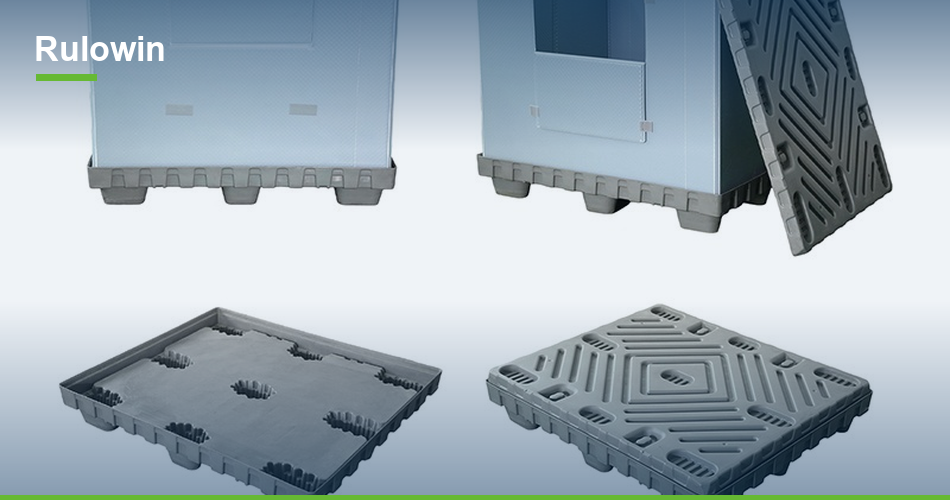
Polypropylene is a reasonable cold-store material and a marginal freezer material, and the difference between those two statements is where most cold-chain sleeve problems live. Used in chilled distribution it is unproblematic. Used at deep-frozen temperatures, it needs a slightly different specification and a few handling rules.
What cold does to the material
Three effects, in order of practical importance:
- Stiffness increases. The sleeve becomes less flexible and more brittle in bending. Folding a sleeve at freezer temperature is harder on the creases than folding it at ambient, and a sleeve that folds fine in the packing hall may crack at a fold line if it is handled cold.
- Impact resistance falls. A knock that would dent a sleeve at 20°C can crack one at −25°C. Cold-store sleeve damage is mostly corner and edge cracks from handling, not load failures.
- Everything gets stiffer, including the hands. Gloved handling at low temperature means less dexterity and more dropping. This is a handling problem that shows up as a material problem.
Standard polypropylene copolymer is generally serviceable to around −20°C with care. Below that, or for repeated deep-freeze cycling, a cold-impact grade is the safer specification. It is worth asking which grade a sleeve is made from rather than assuming “plastic is fine in the cold”.
The rules that keep sleeves alive in the cold
- Do not fold cold. Collapse and erect sleeves at ambient temperature. A sleeve taken from the freezer and folded immediately is the most common self-inflicted damage in a cold-chain operation.
- Let them thaw before handling. A few hours at ambient restores flexibility. Build the dwell into the process and it costs nothing; skip it and it costs sleeves.
- Watch the corners. Cold damage concentrates at corners and folds. Radiused corners and reinforced edges pay for themselves faster in a freezer than anywhere else.
- Reduce handling, not strength. In deep-freeze, the best specification upgrade is often a handling change — more generous grips, fewer transfers — rather than a heavier sleeve.
Condensation and ice
Moving anything between a freezer and ambient generates condensation, and on a sleeve box it collects in the folds, the lid recesses and the base channels. Then it freezes into ice that makes boxes slippery, stops them seating properly on each other, and adds weight.
Two habits control it: avoid repeated temperature cycling of the same sleeve where possible, and let sleeves dry fully at ambient before they go back into the freezer. Ice in a fold line is also what stops a sleeve collapsing properly, which turns a nested return into a full-volume one.
Static and dust
Cold store air is extremely dry, and dry air plus plastic equals static. Sleeves pull dust and frost particles, cling to each other, and give operators small shocks. If dust contamination matters — food, pharma — an antistatic grade is worth specifying, and it is a modest cost addition.
Load rating in the cold
Here is the good news: stiffness increases at low temperature, so static stacking strength improves. A stack that is marginal at ambient is usually comfortable in a freezer. The caveat is dynamic loads — impacts, drops, collisions with pallet trucks — where brittleness goes the other way.
So: rate your stacks for ambient, protect your corners for the cold. That combination covers most freezer applications.
What to specify
- Minimum service temperature, and whether it is continuous or cycling
- Material grade — standard copolymer or cold-impact
- Whether sleeves are folded cold or only at ambient
- Wash and drying arrangements, if any
- Whether antistatic is needed for dust control
If you tell us the temperature profile and the handling flow, we can recommend a grade and construction — and tell you honestly if a cheaper standard sleeve will do the job.