
Two claims are made constantly about packaging in food environments, and both are too simple. Wood is not inherently unacceptable, and plastic is not inherently clean. What determines suitability is whether the material can be cleaned to the required standard in the condition it is actually in.
The case against wood, accurately stated
Wood is porous and absorbent, and it cannot be washed to the same standard as a smooth plastic surface. Moisture and organic residue in a wooden pallet or crate create conditions that support microbial growth and provide harbourage for insects. Splinters are a physical hazard. Damaged boards are difficult to inspect and easy to miss.
These are real, and they are why wood is restricted or excluded in many food handling areas – particularly where product is exposed, and particularly in wet areas.
Where wood is still used, and why
Wood remains common for dry goods, for goods in outer packaging, and for transport where product is fully enclosed. In those roles the product is not in contact with the pallet and the risk is proportionate to a much lower exposure. What matters then is condition – splintered, mouldy or repaired-with-nails pallets are a problem regardless of the material policy.
The distinction worth keeping is between direct food contact and enclosed transport. A single policy applied to both is either unnecessarily restrictive upstream or dangerously permissive downstream.
The case against plastic, honestly
Plastic is not self-cleaning. A damaged plastic crate with an open edge, a crack, or a scored surface holds soil just as effectively as wood does, and it is easier to overlook because the material looks clean.
Plastic crates also shed fragments when damaged, which is a different hazard from wood but not a smaller one. And a plastic crate that has only ever been rinsed will accumulate exactly the organic film that the material choice was meant to avoid.
The advantage of plastic is that it can be cleaned – not that it is clean.
What actually determines suitability
- Is the product exposed? Direct contact raises the requirement sharply.
- Is the area wet? Wet areas accelerate everything.
- Can the item be cleaned? Design, condition, and whether a wash actually exists.
- Can it be inspected? A surface you cannot see is a surface you cannot control.
- What condition is it in? This matters more than the material.
The practical position
For direct food contact and wet areas, sealed and welded plastic with a real wash regime. For enclosed transport, either material in sound condition. For everything, an inspection discipline and a retirement rule, because a damaged item of either material should not be in a food area.
Where a customer’s standard requires one material, that settles it – and it is worth having that requirement in writing rather than inferred from a general policy.
How hybrid fleets usually settle
In practice very few sites go entirely one way. What tends to happen is a split: wood pallets remain the base because they are cheap, replaceable and familiar, and plastic crates carry the product because that is where the hygiene requirement bites hardest.
The split works because it puts each material where its strengths are worth paying for. A pallet that costs a third of a plastic one and is discarded when it gets filthy is a reasonable answer at floor level. The crate that touches the food gets washed fifty times and needs to survive that, and there plastic earns its place.
It also has a limit worth being clear about. The pallet still touches the crate. A filthy pallet sitting under a clean crate undoes a good part of the work, and this is one of the findings that comes up repeatedly in audits that otherwise go well: immaculate crate management, and pallets stored outside on soil with visible contamination on the top boards.
So the real question when someone proposes switching from wood to plastic is usually narrower than they expect. It is not “which material is better”. It is “which surface contacts the product, and what happens to it between uses”. Answer that and the rest of the decision mostly makes itself – and sometimes the answer is that the crates you already have are fine and the pallets are what need attention.
What we supply
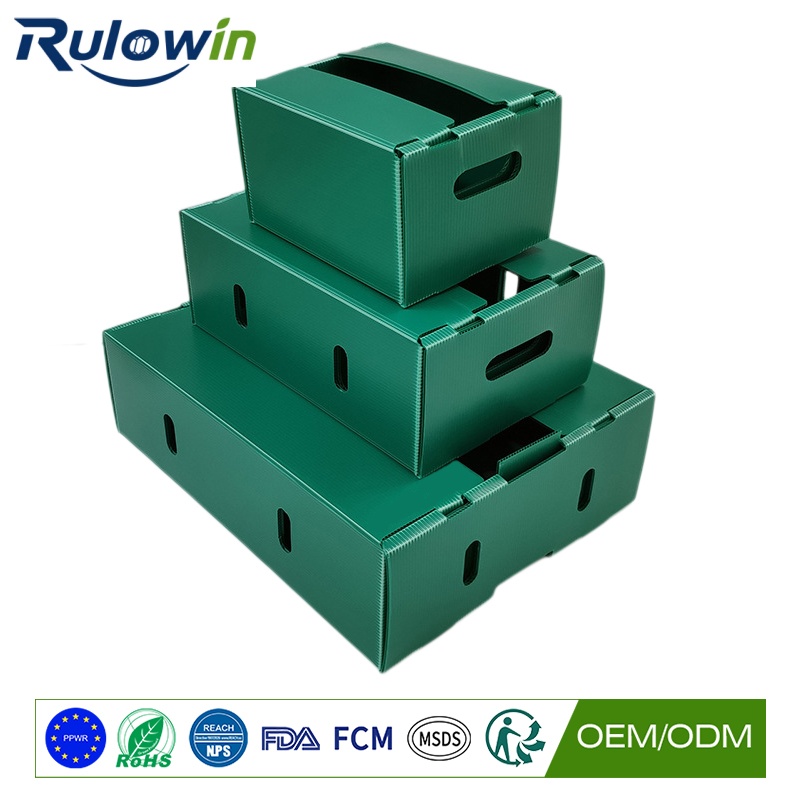
We make reusable produce boxes in sealed and welded constructions designed to be washed, inspected and retired on a rule. If your requirement is a written customer standard, send us the wording – we will tell you whether what we build satisfies it, and where the answer depends on your wash regime rather than on the box.