
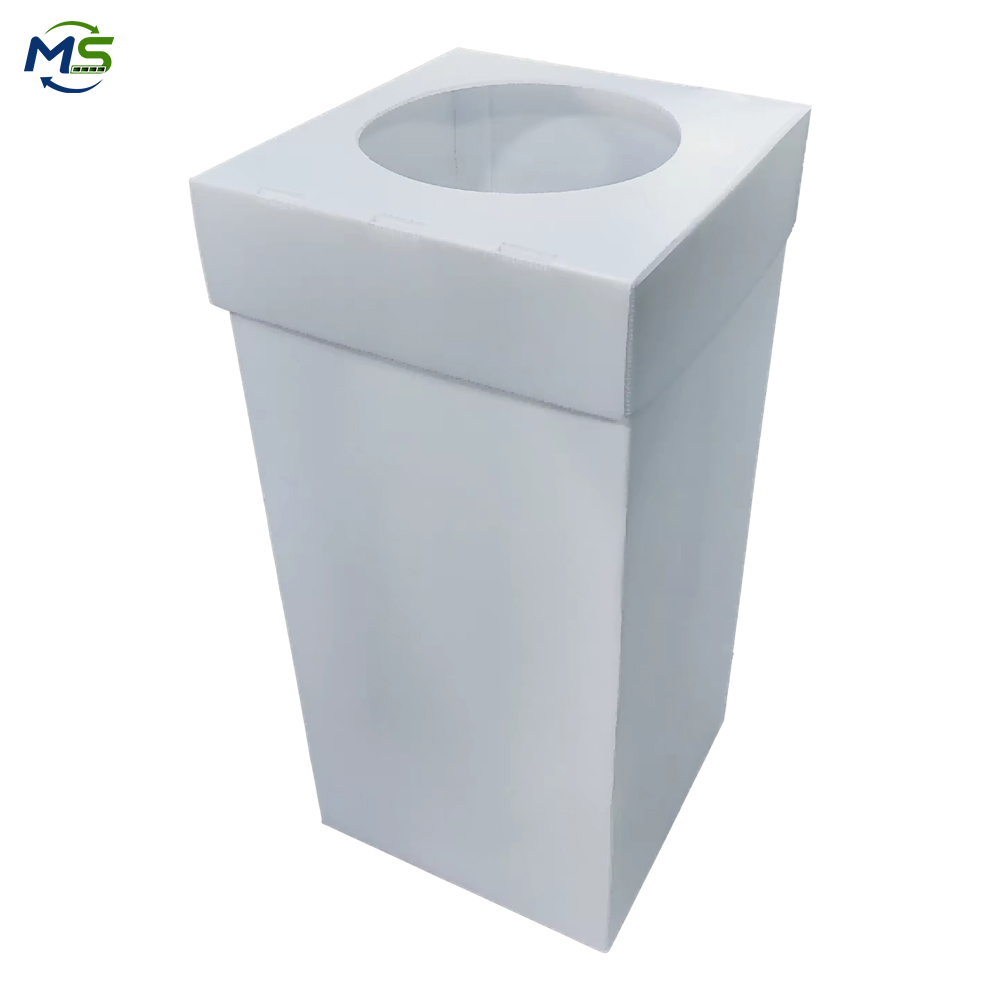
Export packaging made from timber carries a set of phytosanitary requirements: treatment, marking, and documentation that can be checked at a border. A polymer container carries none of them. That difference is often discussed as a material choice and it is really a process simplification, and the value is in what no longer has to be done.
What the requirement is
Solid wood packaging material moving between countries generally has to be treated against pests by an approved method and marked with a recognised mark. The requirement applies to pallets, crates, dunnage and any substantial timber component. Where packaging contains untreated or incorrectly marked timber, it can be refused at the border, and the consequence is a shipment that does not move.
What polymer removes
The treatment step, the treatment record, the marking, the mark’s maintenance, and the inspection at the border. All five disappear. Where a lane has had a rejection or a delay attributable to timber packaging, the value of removing it is easy to calculate, and it is usually far larger than any difference in packaging cost.
What it does not remove
Other documentation, other material restrictions, and any specific requirements of the destination country relating to the product rather than the packaging. A polymer container does not make a shipment universally compliant; it removes one specific and commonly-triggered requirement. Where a lane has other compliance issues, those remain.
Mixed packaging is the trap
A load on a polymer container sitting on a timber pallet still carries the timber requirement, because the pallet is part of the wood packaging. Where the aim is to remove the requirement, every substantial timber component has to go – which usually means a plastic pallet as well, or a pallet-free configuration.
Where the saving actually lands
In the export process rather than in the packaging budget. Fewer steps, fewer documents, fewer things to get wrong, and no treatment supplier to manage. Where an export department spends time on phytosanitary paperwork, removing the requirement gives that time back, and that is usually worth more than the packaging cost difference.
What to tell a customer or a forwarder
That the packaging contains no solid wood, stated clearly and in writing, with a material declaration available if asked. Where a forwarder knows this in advance, they do not add a treatment step or a document to the file. Where they do not, they may add both by default. The wider documentation question is in material declarations and what customers ask for.
What to check before switching
Whether the lane actually requires treatment – some do not, and where it is not required there is nothing to save. Whether any other component in the load is timber. And whether the polymer container meets the mechanical requirements the timber one was meeting, which is a separate question entirely and the one that usually needs real attention.
The honest caveat
Removing a compliance requirement is worth a great deal on the lanes where it applies and nothing on the lanes where it does not. Where a fleet is entirely domestic, this is not an argument at all. Where it crosses borders regularly, it is often the strongest single argument for polymer packaging – and it should be quantified for the specific lanes rather than asserted generally.