
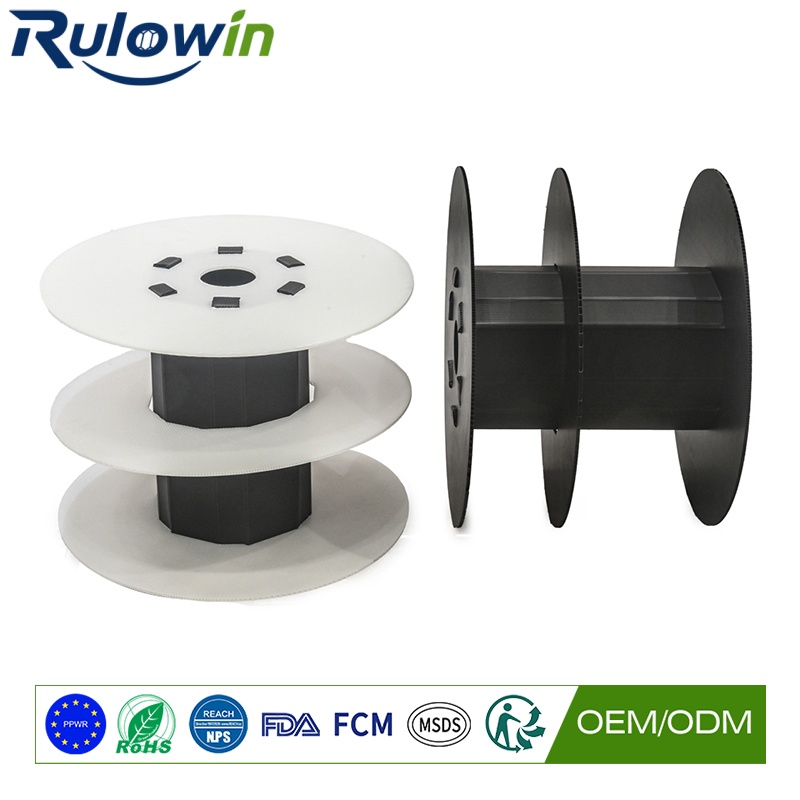
Some product gets wound wet — straight from a water bath, or after a quench, or because it came in from the rain. Sometimes it is unavoidable and sometimes nobody thought about it. Either way, water goes into the pack and stays there, because a wound pack dries extremely slowly.
Why a wound pack will not dry
Air needs to move through the layers to carry moisture away, and layers pressed against each other leave very little path for it. The outside of the pack may feel dry within a day while the inside is still wet weeks later.
This is why “we let it dry before shipping” often does not achieve what it sounds like it achieves. Surface drying is not drying.
What the water does to the product
Depends entirely on what the product is:
- Ferrous product rusts or stains. The most common complaint, and the one that generates the most customer friction.
- Coated product can blush or haze where water sits against a coating.
- Some products block or stick where moisture acts between layers.
- Paper-based or natural materials can support biological growth.
Any of these can be worse inside the pack than at the surface, which means the damage is discovered at unwind rather than at despatch.
What it does to the spool
This is where the packaging choice matters, and it is a genuine advantage for plastic.
Plywood absorbs water. It swells, it stains, and repeated wetting leads to delamination and rot. Our article on plywood versus hollow board in wet service covers this at length.
Steel rusts. Surface treatment delays it and does not prevent it indefinitely, particularly at cut edges and fasteners.
Polypropylene neither absorbs nor corrodes. Water sits on it and can be drained or wiped. The material is unaffected by being wet for as long as you like.
There is one caveat worth stating honestly: water trapped against the spool is still water, and if it is trapped somewhere it cannot leave — inside a core, in a joint — it can support biological growth on whatever else is there, and it will transfer to the next product wound on that spool. The spool survives; the contamination issue does not go away on its own.
Drainage and drying
If wet winding is normal for you:
- Provide a drain path. Discussed in our piece on vent and drain holes, including the honest limitation that a drain only works when it is at the low point.
- Store spools so water can leave rather than in a position where it pools.
- Do not wrap or cover wet spools. Trapping moisture is worse than letting it evaporate slowly.
- Consider air movement rather than heat, since heat drives moisture inward as often as out.
The rust question specifically
If you are winding ferrous product wet and getting rust complaints, the spool is rarely the cause and often part of the solution. Things that help: drying before winding, using a corrosion inhibitor in the water where the process allows it, and not covering spools in transit.
What does not help is switching spool material — though it does remove the packaging as a contributor, which for plywood reels in this duty is worth doing anyway.
What we would ask
Is the product wet at the spool, and does it stay wet? If yes, we would recommend our hollow board spools with drainage and would suggest thinking about how empties get dried on return, because a wet spool going back into service is how contamination moves between batches.
That last point is the one people miss. The spool is not damaged by water, but it will carry it.