Why Floors Beneath Demolition Zones Need Proper Protection
It only takes a moment. One careless movement during soft-strip and demolition and floors beneath demolition zones can be left with chips that no amount of polishing will shift. The good news is that almost all of this is preventable with the right temporary cover.
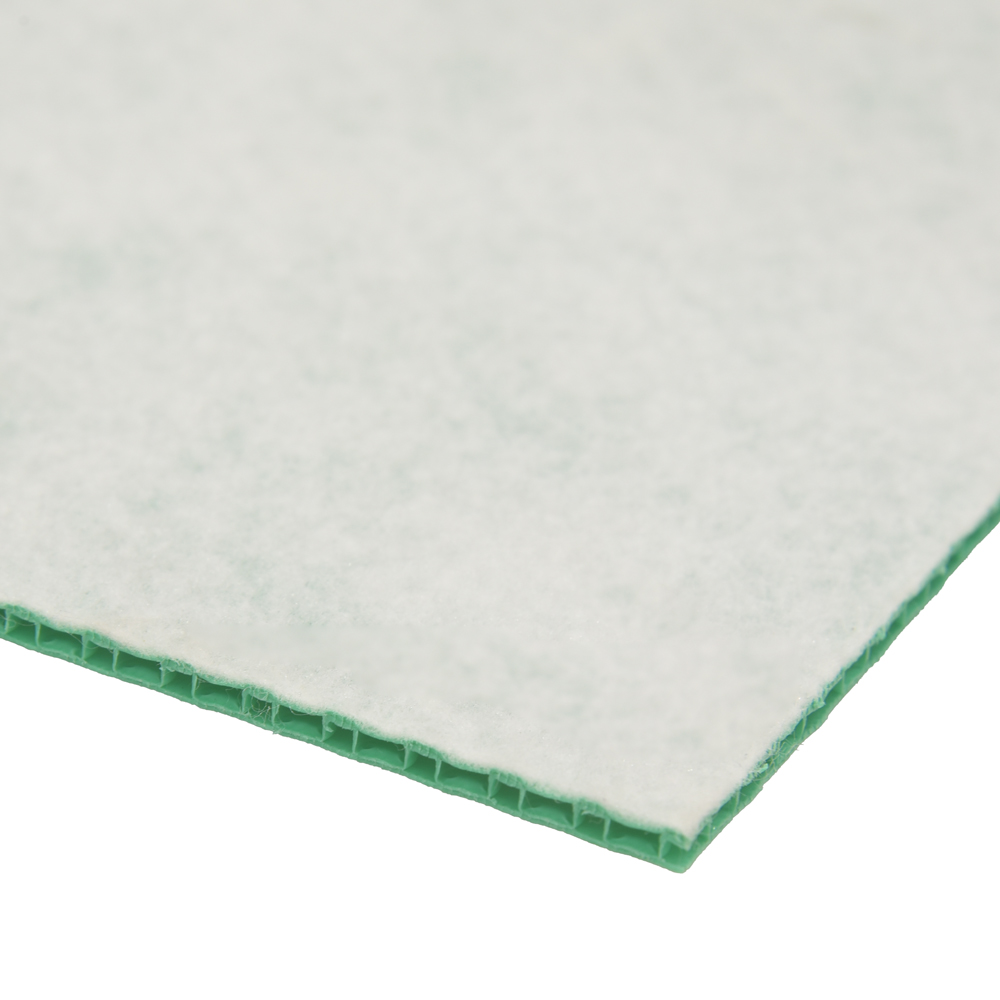
Demolition is the most punishing phase, so specify the thickest rigid cover you have, and left unguarded they quickly pick up falling debris, sledgehammer and breaker vibration, skips and wheelbarrow runs. A purpose-made plastic honeycomb panel spreads point loads across its rigid cellular core, shrugs off knocks, and keeps what is underneath looking exactly as it did before work started.
The True Cost of Getting It Wrong
Here is the uncomfortable maths. A floor crushed under demolition debris can need full replacement. A few sheets of polypropylene honeycomb sheet cost a fraction of that and take minutes to lay — the return on that tiny effort is enormous.
Add in lost time, return visits, and the reputational dent, and the case for covering up becomes impossible to argue against.
What Actually Causes the Harm
The usual culprits include falling debris, sledgehammer and breaker vibration, skips and wheelbarrow runs, and dust and rubble. On their own each looks trivial, but together they account for the bulk of the call-backs and claims that demolition contractors and builders end up dealing with.
A Simple Protection Routine
Getting it right takes minutes. Work through these steps in order:
- double up panels under impact zones
- cover the debris-removal route
- board skip-loading areas
- inspect and renew covers daily
Choosing the Right Protection Board
Rulowin manufactures honeycomb protection board in thicknesses from 3mm to 20mm, with custom sizes and optional felt, anti-slip, or fabric surface layers. Whether you are covering a single room or an entire estate, the team can quote quickly and send a free sample on request.