
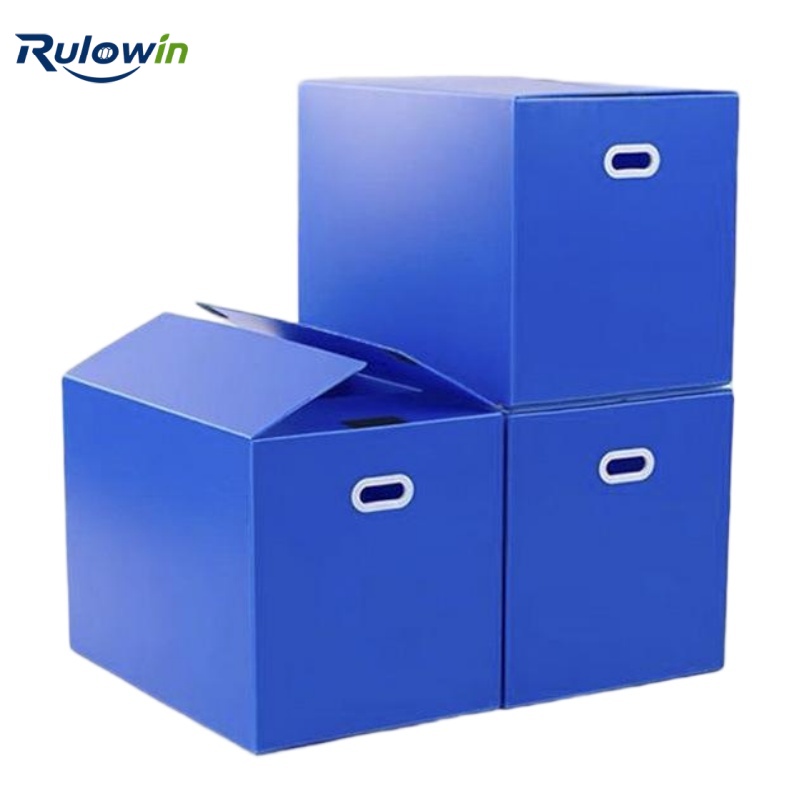
A reusable container has two different things to say about itself. One is permanent: which container is this, who owns it, what type it is. The other is temporary: which order is it on, which customer, which lane. Carrying both on the same container is normal, and the problems arise when the two conflict or when one is missing.
The permanent identity
Type, serial or batch, owner. It belongs to the container for its whole life, it should be moulded or otherwise permanent, and it is what asset records and maintenance histories are keyed to. Where a fleet has no permanent identity, nothing can be tracked over time and every question about a container has to be answered by looking at it.
The trip identity
Order, destination, contents, date. It changes every trip, it has to be readable by whoever needs it at that moment, and it has to be removable or rewritable. Where the trip identity is permanent – engraved, or printed with the wrong permanence – the container carries yesterday’s information and causes errors.
Where the two conflict
When the permanent mark is in the place the trip label needs to go, or when the trip label covers the permanent mark, or when both are on the same face and only one can be read at a time. Those are placement problems and they are solved by putting the two on different faces or at different heights – which is a design decision made once.
Card holders and sleeves
The standard solution for the trip identity is a holder: a pocket, a sleeve, a clip-on frame. It is reusable, it protects the insert, and it makes changing the identity a two-second operation. Where containers change trips frequently, a holder pays for itself quickly and it is far cheaper to include at the tooling stage than to add later.
Direct printing and writable surfaces
A writable panel – a matte area that takes a marker and wipes clean – is cheaper than a holder and needs no insert. It works where the information is short and where wiping is acceptable. Where a container carries a barcode per trip, a holder with a printed insert is more reliable than anything handwritten.
What automation needs from each
The permanent identity is what a system reads to know what it is handling, and it should be machine-readable and durable. The trip identity is what a person or a scanner reads at a specific point, and it needs to be in the right place for that point. Where both are machine-readable, they need to be distinguishable – two barcodes next to each other are a scanning problem.
Colour as the trip channel
A colour-coded insert or tag is the fastest way to show the trip identity at a distance, and it costs almost nothing. Where containers are sorted by destination in a busy area, colour does more work than any code. The limitation is the number of distinguishable colours, which is why colour usually groups and a code identifies. The placement logic is in which face carries the identification.
What to decide
Whether the trip identity changes every trip, who needs to read it, where, and whether it has to be machine-readable. Four questions, and they determine whether the container needs a holder, a writable panel, a colour system, or nothing at all.