
Washing is the least discussed and most damaging part of a dunnage loop. A tray that survives years of shipping can be destroyed by a wash regime that nobody specified when the trays were bought.
What the wash does to polypropylene
PP itself is chemically resistant to most aqueous cleaners and does not absorb water. The problems come from two other directions.
Heat. Repeated exposure near the softening range accelerates surface oxidation and makes PP brittle. A wash at 60 C every trip is a very different regime from one at 40 C, and the difference shows up as cracking at stress points – corners, welds, around fixings.
Detergent. High-pH caustic cleaners are harder on the material and on any facing film or adhesive than neutral ones. Chlorinated cleaners are worse. If your wash chemistry was chosen for metal parts, it may be more aggressive than the packaging needs.
What fails first
- Welds. The heat affected zone around a weld ages faster than the parent material.
- Adhesive bonds on edge tape or laminated facings. These usually go before the panel does.
- Printed or labelled areas. Ink lifts, labels peel, and then the tray cannot be identified.
- Any trapped water. A closed section that fills in the wash and does not drain will corrode any metal insert and can split in a freeze.
Design for the wash, not just the part
If trays are washed, tell the supplier before the design is fixed. The practical consequences:
- Drainage. Every closed section needs a way out. A tray with sealed edge extrusions will fill and stay full.
- Welded rather than taped edges. Tape adhesive is the first casualty.
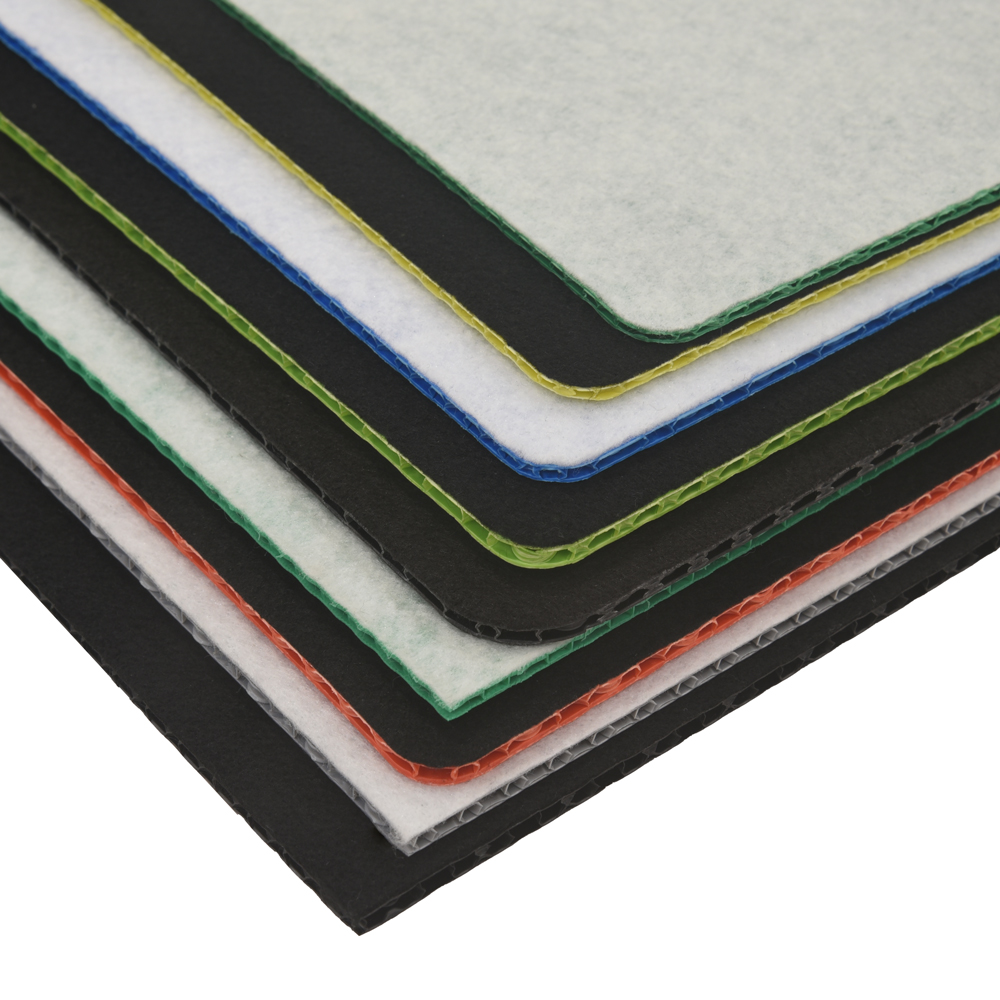
- No absorbent materials. Felt, foam or fabric liners that seemed like good cushioning will hold water and detergent.
- Markings that survive. Moulded or welded-in identification rather than a printed label.
Check the dryer too
A wash line that does not dry properly is often worse than no wash at all, because trays go back into service damp and carrying residues. If your dryer is marginal, say so – it changes what we would recommend for the surface finish.
Questions worth asking your wash supplier
What is the peak temperature at the tray surface rather than the set point? What is the pH of the detergent in use? Is there a rinse stage? Trays frequently see higher temperatures than the specification suggests, because the set point and the actual surface temperature are not the same thing.
What comes out the other end
Drying is half the wash, and it is the half that gets neglected. Trays leaving a wash line with water in the flutes, in the corners or in a label pocket will sit damp, and damp trays grow biofilm in the time between washing and use.
If your trays come out wet, look at the air knives and the dwell time before changing anything else. Adding drainage to the tray is worthwhile, but it will not fix a dryer that is too short for the throughput running through it.
It is also worth checking what the wash water is carrying. A wash line that is not filtered recirculates the grit it removes, and that grit abrades every tray that goes through it. A filter on the wash tank is usually a better investment than a more durable tray.
What we can do
We build dunnage trays for washed loops with welded edges, drainage provisions and identification that survives caustic washing. Tell us the temperature and chemistry and we will build for it – and if your wash is hot enough that PP is the wrong material, we would rather say that now.