
The Real Risk to Stair Nosings And Edges
Stair nosings and edges face a real beating during heavy foot traffic during works. For flooring contractors and facilities teams, the gap between handing over a flawless finish and footing a repair bill usually comes down to one decision made on day one: whether a proper rigid cover went down before the messy work began.
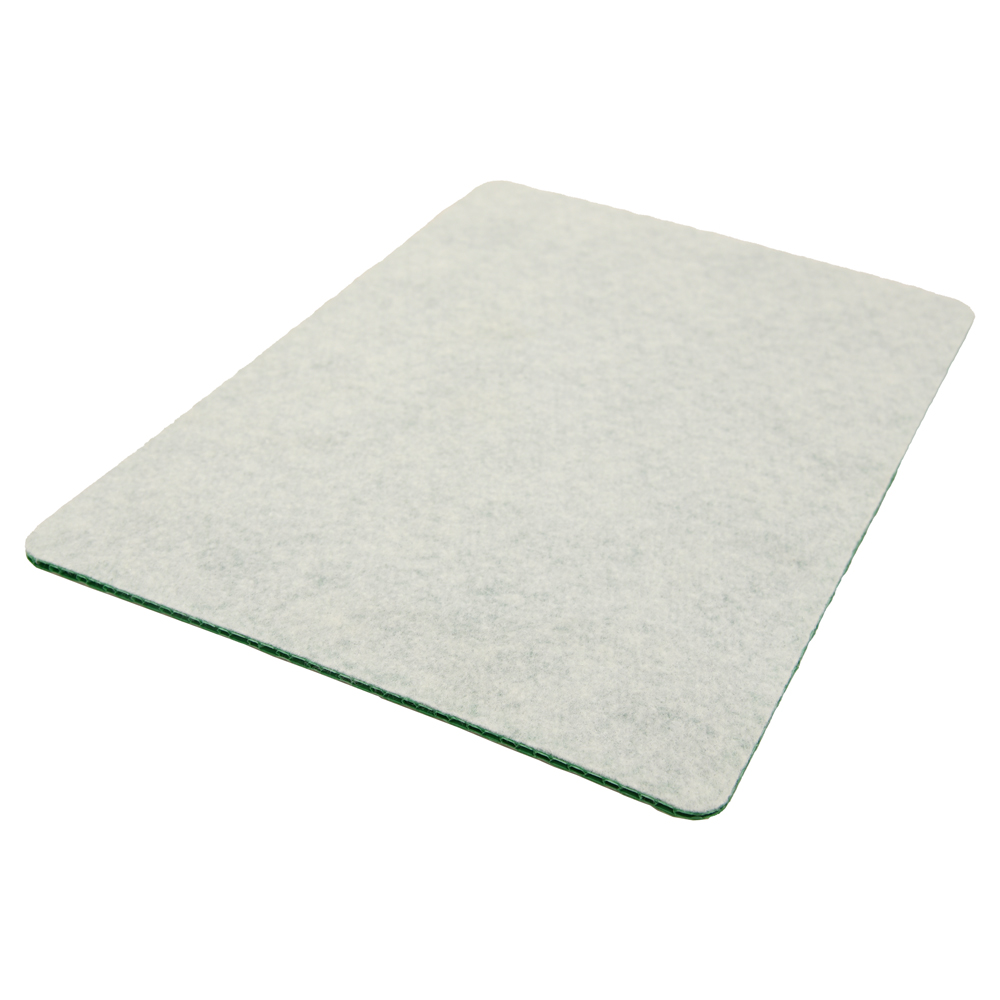
Edges fail long before flat treads do, so wrap them generously, and left unguarded they quickly pick up edge chipping, scuffed anti-slip inserts, impact from carried loads. A purpose-made PP honeycomb board spreads point loads across its rigid cellular core, shrugs off knocks, and keeps what is underneath looking exactly as it did before work started.
Getting the Cover Down Right
Begin by making sure you cut a fold-over profile. Next, wrap the leading edge fully. Then fix with low-tack tape on the riser. To finish, inspect edges weekly. Those few minutes at the outset prevent the overwhelming majority of avoidable damage.
Why the Right Board Makes the Difference
Not every cover performs the same. A dust sheet stops splashes but does nothing against a dropped tool, and loose hardboard slides around and leaves gaps. A twin-wall PP honeycomb board pairs a high strength-to-weight ratio with a crush-resistant cellular core, so it absorbs knocks from edge chipping, scuffed anti-slip inserts without letting a mark reach the surface below.
Boards can be trimmed to size on site with a standard blade, taped at the seams, and lifted just as fast when the work is done — no specialist kit required.
What Damage Really Costs
Here is the uncomfortable maths. A damaged nosing is both a safety hazard and a visible defect. A few sheets of rigid PP honeycomb sheet cost a fraction of that and take minutes to lay — the return on that tiny effort is enormous.
Add in lost time, return visits, and the reputational dent, and the case for covering up becomes impossible to argue against.
Real-World Applications
You will see this method earning its keep across school staircases, communal flat stairs, and retail back-of-house stairs. The principle never changes: get a rigid, well-fitted cover down early, keep the joins taped, and leave it in place until the messy work is genuinely finished.
The Most Common Causes of Damage
The usual culprits include edge chipping, scuffed anti-slip inserts, impact from carried loads, and grinding grit. On their own each looks trivial, but together they account for the bulk of the call-backs and claims that flooring contractors and facilities teams end up dealing with.
Talk to the Surface-Protection Specialists
If you need dependable surface protection, Rulowin supplies PP honeycomb panel cut to your dimensions and delivered to site. Speak to the team about the right thickness and surface finish for your particular job.