
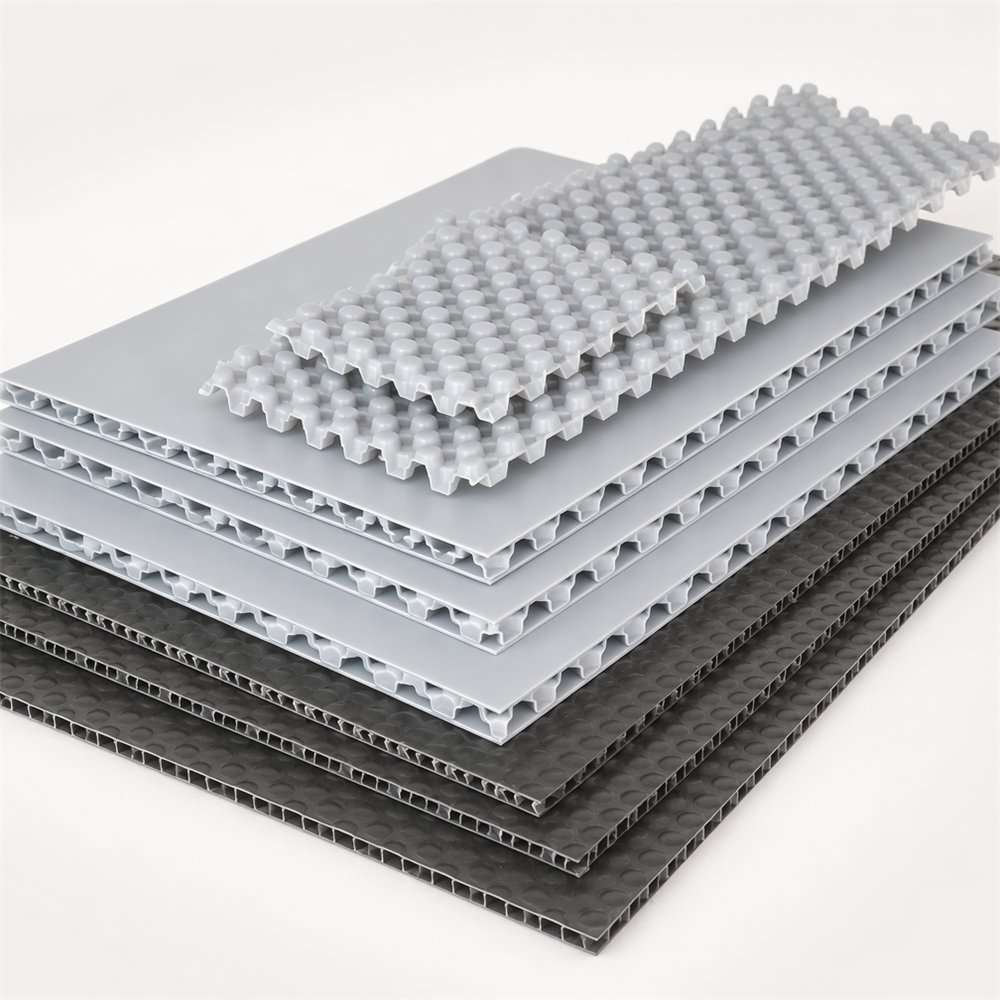
The case for a returnable box is usually built on carton cost and damage. The case against is return freight. Both sides are usually estimating, because return freight is not on any invoice until it is arranged, and by then the fleet exists.
What the return leg actually costs
Three components: the movement itself, the handling to load and unload empties, and the management time to arrange it. The movement is the visible one. The handling is real, especially if empty boxes have to be counted and inspected before they go on a vehicle. The management time is small individually and large in aggregate, and it is the reason fleets fail when there is no owner for the process.
Backhaul, dedicated and consolidated
A backhaul, where empties come home on a vehicle that was already travelling, is close to free and is the best possible case. A dedicated return vehicle is the worst and is rarely justified unless the volumes are large. A consolidated return, where several sites feed a depot and empties move together, sits in between and is the arrangement most mid-sized fleets end up with.
The volume question again
Return freight is charged on volume far more often than on weight, because empty boxes are light. A box that returns at a third of its volume cuts the return line by two thirds, which is often more than the entire carton saving the project was built on. If one design decision is going to be defended in the business case, defend the nesting ratio.
Who pays for the return
If the customer pays, the fleet tends to come back slowly and with a grudge. If you pay, the cost is visible and controllable but you own the logistics. Most successful programmes put the return leg on the party who benefits most from the box coming back, which is usually you, and build it into the delivered price rather than treating it as an extra.
Frequency and the trailer that is never full
A return that runs monthly will be half empty and will cost the same as a full one. Batching returns to fill a vehicle is the single biggest lever on the return line, and it usually means holding empties at the far end for a few weeks. That requires the far end to have space, which is the constraint that decides how often returns can run. The same space question appears in storing empties between collections.
Loss and the hidden return cost
Every box that never comes back has to be replaced, and the replacement cost is a return-leg cost for accounting purposes. Two to five per cent a year is normal. Above that, something is wrong in the process rather than the design, and it is worth finding out which before buying more boxes.
Bringing the number down without new boxes
Three moves, all operational. Batch returns so vehicles fill. Inspect and flatten at the far end so the load is as compact as the design allows. And put one person in charge of the number, because return freight is the only line in the case that improves with attention and deteriorates without it.
Setting the return frequency deliberately
Returns should run to a schedule rather than to demand. A fixed weekly or fortnightly collection, advertised to everyone in the loop, produces fuller vehicles and fewer phone calls than a system where each site requests a pickup when it is convenient. The far end can then plan the space it needs, which is often the constraint that made returns erratic in the first place.
Where a return is genuinely uneconomic for a period, it is better to hold the boxes than to run a half-empty vehicle. Holding costs space and space is finite, but the space is usually cheaper than the movement, and the decision should be written down so it is not re-argued every month.
What we can do
We build PP honeycomb board boxes that nest or knock down, and we will model the return leg with you rather than leaving it as an assumption. Send us the lane, the frequency and the trailer type, and we will put a cost against the return.