
A box takes a hit, and the decision is whether it goes back into service, goes to a repair bench, or goes in the skip. Most plants have no rule for this, so the decision is made by whoever is standing there. A written rule costs nothing and prevents a damaged box from carrying a full stack.
The three classes of damage
Cosmetic, which is scuffing and small dents that do not affect the stack or the load path. Structural, which is a crushed corner, a cracked panel or a base that has deflected permanently. And functional, which is a broken lid, a failed hinge, a missing pin or a lost dunnage component. The three need three different responses, and treating cosmetic damage as structural is how fleets get scrapped early.
What can be repaired and what cannot
A failed hinge, a broken pin, a damaged corner block and a worn pad are all replaceable, and they are the majority of real damage. A crushed panel or a base that has taken a permanent set is not repairable in a way that restores the rating, and it should go. The distinction is whether the damaged item is a component or the structure.
Repairing a corner
If the corner was designed with a replaceable block, the repair is a swap. If it was not, the repair is a patch that restores appearance and not strength, and the box should be rated down rather than repaired up. Ask a supplier which corners are serviceable before buying, because a serviceable corner costs a small amount at design stage and is impossible to add later.
Edge sealing after damage
A damaged edge exposes the core, which then takes in water and dirt and loses stiffness locally. Resealing a damaged edge is worth doing whenever the box stays in service, and it is the same operation that keeps a new box alive in routes that get washed. Done properly, a resealed edge is nearly as good as the original; done with tape, it will fail within a month.
What a repair does to the rating
A repaired box should not be rated for the full stack load unless the repair restores the original load path. In practice, the simplest honest rule is that a repaired box is usable in single-high or low-stack positions and not in the bottom of a tall stack. Writing that rule on the box removes the argument.
Repair or replace, in numbers
Compare the repair cost, including the labour to take the box out of service and bring it back, against the replacement cost times the remaining life. If a box has done half its trips and the repair is a corner block, repair is obviously right. If the box has done most of its trips and the repair is a panel, it is not. Most plants that scrap early are scrapping on appearance; most that repair too long are running a fleet with a lower real capacity than they think.
Spares on the shelf
None of this works without parts. Corner blocks, pins, hinges, pads and lids should all be orderable individually with a price and a lead time. A fleet with no spares cupboard becomes a fleet that patches with tape and then buys replacements early. The budget side is covered in budgeting spares and repairs.
Making repairs visible in the fleet record
A repaired box is not the same as a new one, and the fleet record should show it. A note against the box number, with the date and what was replaced, means the next inspection knows what to look at and the retirement decision has some history behind it. It takes seconds and it turns a repair programme into data.
It also protects the supplier relationship. When a box fails in a way that was repaired six months earlier, knowing that the repair happened changes the conversation from a quality complaint to a design question, which is the more useful of the two.
What we can do
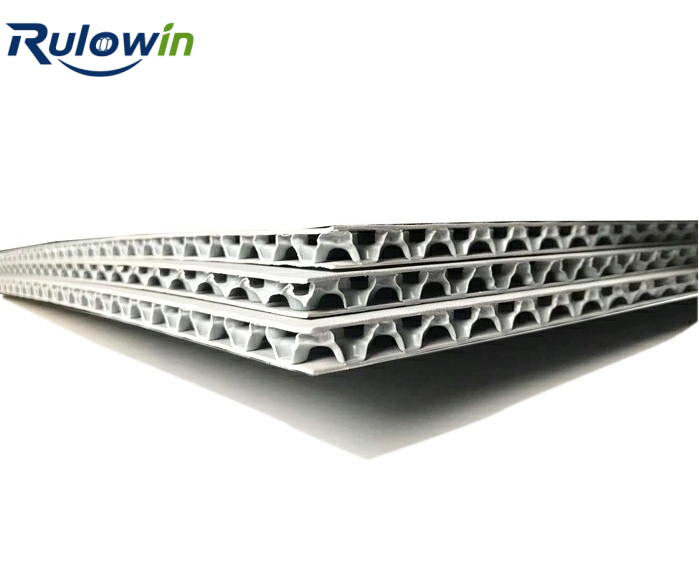
We build PP honeycomb board boxes with replaceable corner blocks, hinges and dunnage components, and we supply the parts individually. Tell us where your boxes are failing and we will design the failure out of the next order.