
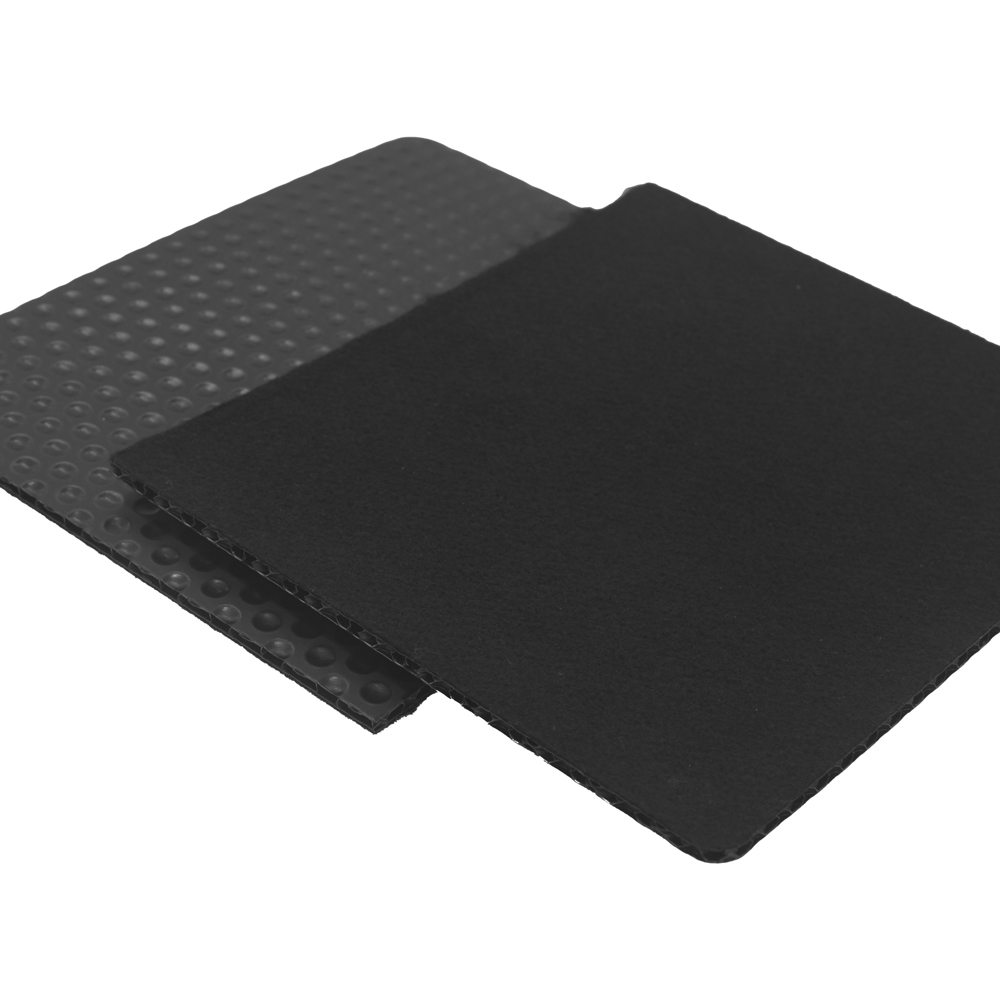
The last hour of a protection job is the one that does the damage. Everything that has been sitting on the cover – grit, dust, plaster, water – is on top of it, and lifting the cover drags all of that across the floor it was protecting. Removal is a task with a method, not an afterthought.
What is sitting on top
By the end of a job the top of the protection carries weeks of accumulated grit and debris. Lift a panel and tilt it and that material slides off the edge and onto the floor. Sweep or vacuum the top before lifting anything, and lift vertically rather than sliding – the two changes that remove most of the risk.
Sequence matters
Work backwards from the exit. The last panels laid come up first, so nobody walks on bare floor once it is uncovered, and the route out stays covered until the end. Lifting from the far corner inwards means walking across unprotected finished floor with dirty boots, which is exactly what the protection was for.
Roll, do not slide
Where a cover is flexible enough to roll, roll it up from one edge with the dirty side inward. That contains the debris instead of spreading it. Where it is rigid, lift it clear and stand it on edge rather than dragging it. Both take marginally longer than dragging and both are worth it.
Adhesive and tape
Anything taped down comes up slowly, at a low angle, and with heat if it has been down a long time. Pulling tape up fast and vertical takes the floor finish with it. Where tape has been down past its removal window, a hairdryer on low or a purpose-made adhesive remover – checked on a hidden area first – is the answer, and it should be started days before handover rather than hours.
The floor underneath is not clean
Even well-laid protection leaves a film: dust that worked through the joints, foot marks, a slight colour difference where the cover blocked light. Expect to clean after removal and allow time for it. A floor that has been covered for six months rarely looks right the moment the cover comes off.
What to do with the grit that comes off
Sweeping the top of the cover produces a pile of grit that then has to go somewhere, and sweeping it across the floor defeats the purpose. Vacuum it, or sweep it into a tray rather than across the surface. On a large floor this is the difference between a clean handover and a floor that needs a second clean.
Stacking as you go
Panels taken up get stacked somewhere, and the usual answer is the floor that has just been uncovered – which then gets scratched by the stack. Stack on the remaining cover and move the stack backwards with the removal front. It sounds obvious and it is the reason removal leaves marks in a line where the stack stood.
Weather on removal day
Removing protection in the rain means water and grit coming in through an open door onto a floor that has just been uncovered. Where there is a choice, remove on a dry day, and where there is not, keep the entrance covered and matted until everything else is up.
What we can do
We supply protection panels that lift cleanly, and we will tell you at enquiry when a taped detail will cause a problem later. Tell us how long the protection stays down and what the floor is, and we will recommend a fixing that comes up without a fight. Adhesive risk is covered in tape, adhesive and staining on finished floors.