
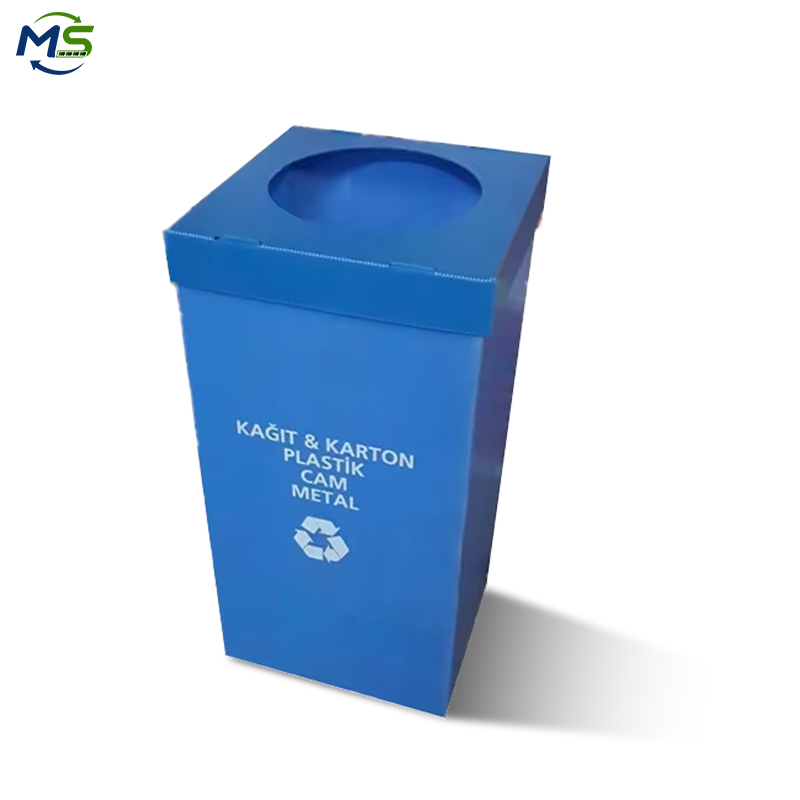
The same PP sheet part gets re-engineered four times in five years because nobody kept a reference. Someone leaves, the drawing is lost or ambiguous, and the next order starts from scratch – with a slightly different tolerance that nobody notices until the parts do not fit the old ones.
What a reference sample gives you
A physical retained sample, marked with the part number and the approval date, resolves every ambiguity instantly. Dimension questions, material questions and finish questions are all answered by holding the thing. It is worth more than the drawing in most disputes, because drawings interpret and samples do not.
Store the right number, in the right state
Keep at least two: one sealed as the approval reference, one available for comparison. Store them flat, out of light, and away from anything warm – a reference sample that has crept or faded is worse than none, because it silently changes the standard.
Where the part has a tolerance rather than a single dimension, keep the samples that were at the extremes of the approved batch rather than a typical one.
Record what the sample does not tell you
Material grade, thickness, any surface treatment and the production batch are not visible in a sample and must be written down and kept with it. Treated surfaces degrade, so a sample that was corona treated at approval is not evidence of what treatment the next batch needs.
Replace references when the specification changes
Obvious and routinely ignored. A shelf of samples from five revisions is worse than one current sample, because nobody knows which is authoritative. Date them, and physically retire the old ones.
Use it for incoming checks
The fastest goods-in check is comparison against the reference: side by side on a bench, does it look and fit the same. Faster than measuring, catches more, and needs no training. Build it into the acceptance routine described in acceptance sampling for deliveries.
What we keep, and for how long
Ask your supplier what they retain and for how long. Tooling typically outlives drawings and records do not. A supplier who retains tooling but not the specification will happily reproduce a part that no longer matches what you approved.
The digital reference is not enough on its own
A drawing file solves the storage problem and not the interpretation problem. Two people reading the same model will still disagree about surface finish, edge condition and acceptable deformation, because none of those are usually modelled. A physical sample closes exactly the gaps that drawings leave open.
Keep both, and make the sample the tie-breaker. Where a supplier and a buyer disagree on a dimension, the sample wins, and that single rule prevents most of the disputes that consume weeks in a packaging programme.
Who keeps the sample
A reference sample kept by the supplier is useful and not sufficient, because it disappears with the relationship. Keep your own, sealed and dated, and there is no dependency on anybody’s continued co-operation when the spec is questioned two years later.
Where several sites order the same part, hold one reference centrally and let sites compare against photographs of it. Physical samples get borrowed and never come back, and a shared photographic reference avoids that entirely.
What we can do
We retain reference samples and tooling for custom polypropylene components and will send you one with the first order. Ask for it at enquiry stage – it costs nothing then and it saves a re-engineering charge later.