
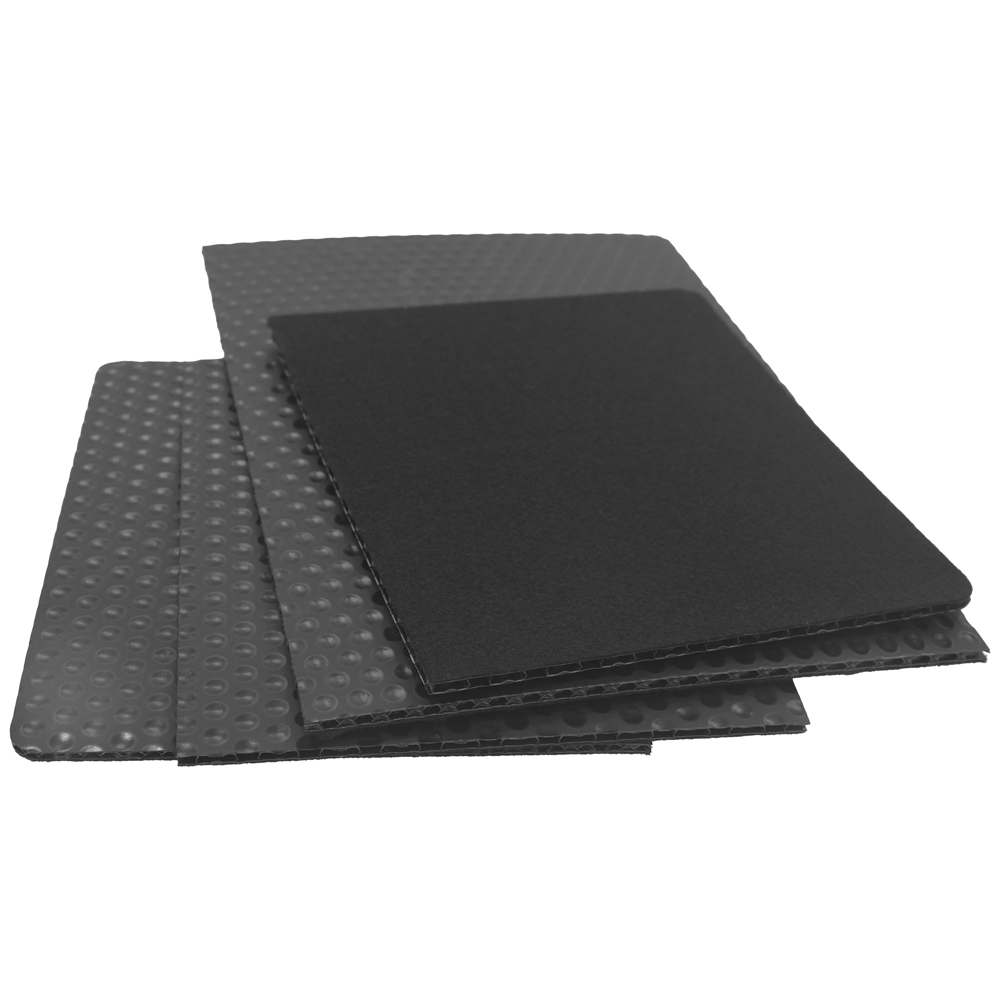
Temporary protection gets pulled into sustainability reporting more than anyone expected. It is a visible, quantifiable material flowing through a project, which makes it an easy target for a client’s environmental reporting requirements – even though it is temporary and often reused.
The three questions that come back
How much recycled content, what end-of-life route, and how many times has it been reused. These get asked in tender returns and then again in project close-out reporting. The project that can answer all three in one paragraph saves weeks of correspondence during a busy handover.
Recycled content claims need a basis
A percentage without a stated basis is not much use to a reporting team. They need to know whether it is post-industrial or post-consumer, whether it is physically segregated or mass balance accounted, and the production period it relates to. Ask for it once, properly, at specification stage rather than chasing it later. This is covered in detail in recycled content claims buyers ask for.
Reuse counts, and often counts more
For temporary protection, the reused trips usually dominate the environmental picture more than recycled content does. One panel used across four phases is a very different proposition from four single-use covers. If you can evidence reuse cycles, that is generally the stronger number – and it usually requires nothing more than the counting you were doing anyway.
End-of-life route
Polypropylene is recyclable where a collection stream exists, and the practical question is what happens on your site. Panels going into mixed site waste are not being recycled regardless of what the material could do. Ask your waste contractor what stream they can actually take, and specify protection that matches it.
Food contact and contamination limits
Protection used in food or pharmaceutical environments may become contaminated, which affects both reuse and recycling routes. Where the area has hygiene requirements, plan for the possibility that the material cannot be recycled at all and state that honestly rather than assuming.
What we will not claim
We can state recycled content by grade and basis where we have it, and we will tell you where we do not. We will not put a number on a product we cannot evidence, and we would rather lose the specification than issue a claim you cannot defend to your client.
Reporting it back to the client
Whatever you collect is only useful if it lands in the format the client’s reporting needs – usually a weight or area figure with a diversion route and evidence attached. Ask what template they want at the start, then collect into it rather than converting later, which is when gaps appear.
Keep transport and disposal documentation too. Auditors checking waste claims ask for the downstream paperwork rather than the intent, and a recycling figure without destination evidence gets discounted to zero in most reporting frameworks.
Weight versus area in reporting
Confirm which unit the client’s reporting uses before supplying figures. Converting between area and weight requires accurate thickness and density, and a rough conversion introduces errors that get noticed at close-out. Providing it in the requested unit first time avoids a round of correspondence nobody has time for.
What we can do
We supply PP honeycomb protection panels and can state recycled content, basis and period in writing for what we ship. Send us the sustainability questions from your tender return and we will answer them directly, including marking the ones we cannot answer.