
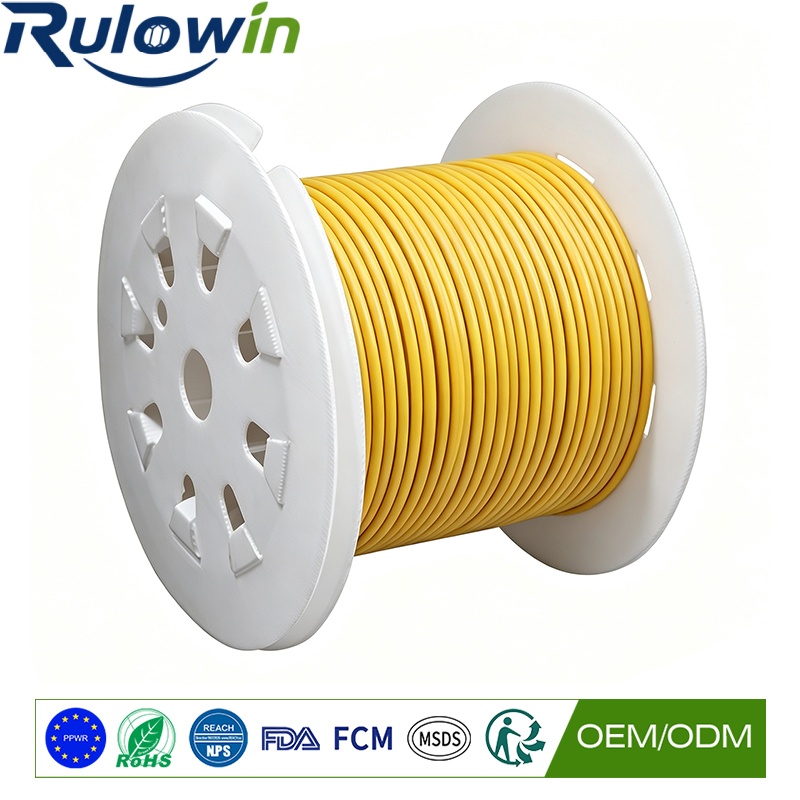
Single-source dependency on packaging is uncomfortable, and the obvious answer is a second supplier. That works sometimes and quietly fails other times — usually because the second source was never really qualified and only existed on paper.
The failure mode
A second supplier is qualified, samples are approved, everything is filed. Eighteen months later the primary fails and the second source is asked to supply. What happens then depends entirely on one thing: whether anything has been made since qualification.
A supplier that has not produced your part since approval is not a second source. They are a supplier who once made a sample. Setup, tooling condition, material availability and — most importantly — whether the order gets prioritised are all unknowns at exactly the moment you need certainty.
What actually protects you
Regular small volume. Even occasional production keeps the specification live. Whether that is worth paying for depends on how bad a supply failure would be, but it is the thing that makes a second source real.
Agreed ramping. Written before you need it: how quickly they can reach your full requirement, and what is needed from you to trigger it.
Tooling that can travel or that exists in both places. If the tooling is supplier-owned and single-site, discuss what happens if that site is unavailable.
Identical specification, not “compatible”. This is where most dual-sourcing quietly fails — covered below.
The interchangeability problem
Two spools to the same nominal drawing are not necessarily interchangeable in service. Sources of difference:
- Process variation. Different construction route, different tolerances held — see our tolerance discussion.
- Material source. Same nominal grade from a different resin supplier behaves slightly differently.
- Joint and construction detail on anything multi-piece.
- Surface finish, which matters where product contact is involved.
Test them as interchangeable, not as individually acceptable. Wind product on both, unwind both, and check that nothing in your process needs adjusting between them. Our sampling article covers what to actually look at.
When it is worth the cost
- High consequence of supply failure — line-down scenarios
- Large annual spend, where competitive tension has value beyond resilience
- Suppliers with single-site manufacturing for anything critical
- Where your product mix changes enough that design support availability matters
When it is not
- Low volumes where the overhead exceeds the risk
- Highly specialised spools where qualification costs dwarf the spend
- Where the second source would be making something at the edge of their capability, because that is worse than no second source
- Where single-source pricing is already competitive and stable
That third point deserves emphasis. A second source that struggles with your part creates work rather than resilience.
Alternatives that are cheaper
Before qualifying a second supplier, consider:
- Buffer stock. Often cheaper than dual qualification, and it covers short disruptions which are the common kind.
- An agreed capacity reservation with your existing supplier.
- Making the spool less specialised so more suppliers could make it — which returns to standard dimensions, discussed in our piece on what drives spool cost.
How to talk to your existing supplier about it
Suppliers generally prefer knowing. Asked badly, “we are looking at second sources” reads as a threat and gets a defensive response. Asked as “we need resilience planning and want to talk about options”, it often produces useful suggestions — including options you had not considered.
Our position
We will not pretend to love losing volume, but we understand why people need a second source, and we would rather help than have it done quietly. For our hollow board spools we will be honest about what we can hold, what we cannot, and where our own single points of dependency are.
That last admission is worth asking any supplier for.